Chronic inflammation sits at the root of most autoimmune diseases, and what you eat every day directly shapes how your immune system behaves. An anti-inflammatory diet focuses on whole, nutrient-dense foods that calm your body's inflammatory responses while eliminating triggers that keep your immune system on high alert.
Over 50 million Americans live with at least one autoimmune condition, and global incidence rates continue to climb by an estimated 3 to 12 percent each year. These numbers tell a clear story: standard dietary advice is not enough for everyone. If you have an autoimmune disease, your dietary needs go far beyond generic food lists.

An anti-inflammatory diet is not a branded program or a rigid meal plan. It is an evidence-based eating pattern that prioritizes foods rich in antioxidants, omega-3 fatty acids, and fiber while cutting out ingredients that trigger or worsen inflammation in the body.
Think of inflammation as your immune system's alarm system. Acute inflammation helps you heal a cut or fight off a cold. Chronic inflammation, on the other hand, keeps that alarm blaring for weeks, months, or even years. This ongoing immune activation damages healthy tissues, drives autoimmune flare-ups, and increases your risk for heart disease, diabetes, and certain cancers.
The core principle behind a low inflammation diet is simple: give your body more of what calms the immune response and less of what provokes it. The Mediterranean diet and the DASH diet both align closely with anti-inflammatory eating patterns, and research from the National Institutes of Health consistently links these approaches to lower inflammatory markers.
In autoimmune diseases like rheumatoid arthritis, lupus, Hashimoto's thyroiditis, and inflammatory bowel disease, the immune system mistakenly attacks your own tissues. Chronic inflammation acts as fuel for this process. Every inflammatory trigger you encounter, whether from food, stress, or environmental toxins, can amplify the immune system's misdirected attacks.
A 2024 study published in the Journal of Clinical Investigation analyzed electronic health records from over 10 million patients across six major US medical systems. The findings confirmed that autoimmune diseases are a diverse group of chronic inflammatory conditions, and dietary patterns play a measurable role in their progression.
Research also shows that ultra-processed foods can alter gut bacteria, damage the intestinal lining, and activate inflammatory genes within cells. For someone with an autoimmune condition, this gut disruption can directly worsen symptoms and trigger flare-ups.
The best anti-inflammatory foods share common traits: they are whole, minimally processed, and packed with compounds that actively reduce inflammatory markers in the blood. Here are the categories that matter most.

Omega-3 fatty acids are among the most powerful natural inflammation fighters available. Fatty fish like salmon, mackerel, sardines, and anchovies contain EPA and DHA, two omega-3 forms that reduce C-reactive protein (CRP) and interleukin-6, both key inflammatory markers. Aim for at least two servings of fatty fish per week, with each portion around 3 to 4 ounces.
Plant-based omega-3 sources include walnuts, ground flaxseeds, chia seeds, and hemp seeds. While plant-based ALA omega-3s convert less efficiently to EPA and DHA, they still contribute meaningful anti-inflammatory benefits, especially when combined with a diet low in omega-6 fats.
Brightly colored produce contains high concentrations of antioxidants, which neutralize free radicals and reduce oxidative stress in your body. Blueberries, strawberries, cherries, spinach, kale, broccoli, and sweet potatoes should appear on your plate regularly.
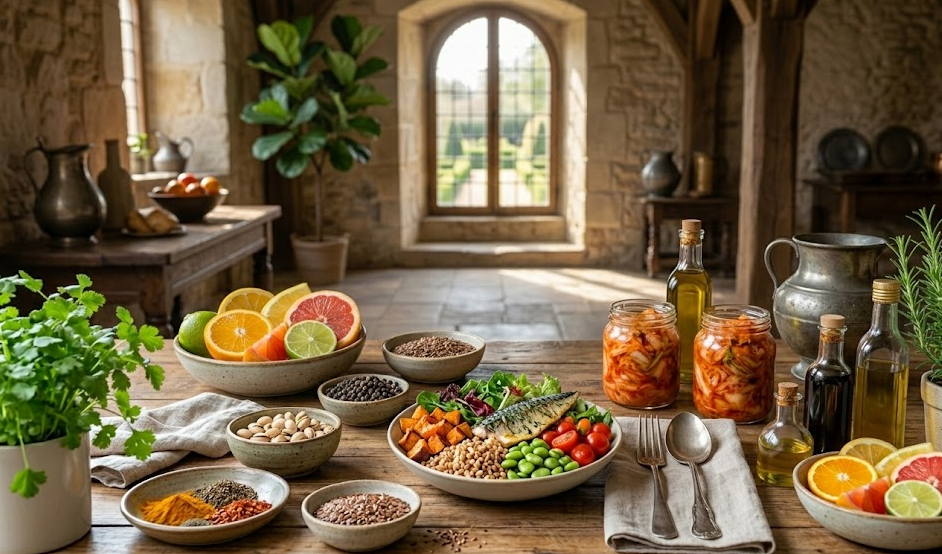
A helpful rule: the more color variety on your plate, the broader the range of antioxidants you consume. Aim for at least 1.5 to 2 cups of fruit and 2 to 3 cups of vegetables per day. Dark leafy greens deserve special emphasis because they deliver both antioxidants and fiber in every serving.
Whole grains like oats, quinoa, brown rice, and farro provide fiber that feeds beneficial gut bacteria. A healthy gut microbiome plays a direct role in regulating immune function and keeping inflammation in check. Legumes including lentils, chickpeas, black beans, and kidney beans offer a powerful combination of fiber, plant protein, and polyphenols.
If you tolerate grains well, prioritize ancient and whole grain varieties over anything refined. However, some people with autoimmune conditions find that certain grains trigger symptoms. This is where individual testing and personalized guidance become essential.
Extra virgin olive oil is a cornerstone of anti-inflammatory eating. It contains oleocanthal, a compound that functions similarly to ibuprofen in reducing inflammation. Avocados, nuts (especially walnuts, almonds, and pistachios), and seeds provide monounsaturated and polyunsaturated fats that support cellular repair and reduce inflammatory signaling.
Turmeric contains curcumin, one of the most studied anti-inflammatory compounds in nutrition science. Ginger, rosemary, cinnamon, and cayenne pepper also show measurable anti-inflammatory properties in clinical research. Green tea and coffee are rich in polyphenols that help regulate immune responses.
Generic food lists only go so far. At OnlineNutritionPlans.com, licensed doctors create personalized anti-inflammatory diet plans based on your blood work, autoimmune diagnosis, and lifestyle. Get a plan built around your body, not a template.
Knowing what to remove from your diet matters just as much as knowing what to add. These food categories consistently drive up inflammatory markers in clinical research.
Anything that comes in a package with a long ingredient list likely falls into this category. Microwave dinners, hot dogs, chicken nuggets, sugary cereals, packaged baked goods, and most fast food qualify. These products are typically high in sodium, added sugars, and saturated fats, all of which promote systemic inflammation.
A 2025 report in the journal Nutrients confirmed that ultra-processed foods alter gut microbiota composition, damage intestinal barrier function, and switch on pro-inflammatory gene pathways. For anyone managing an autoimmune condition, these effects can directly intensify symptoms.
Sodas, candy, flavored yogurts, commercial salad dressings, and jarred sauces often contain hidden sugars. These spike blood glucose levels and trigger an inflammatory cascade. Artificial sweeteners like aspartame, erythritol, and sucralose are not necessarily safer alternatives, as some research suggests they may also promote inflammation.
If you need a sweetener, stevia and monk fruit show some evidence of anti-inflammatory properties. But even these should appear in your diet sparingly.
White bread, white pasta, white rice, and products made with refined flour cause rapid blood sugar spikes that trigger inflammatory responses. Replace these with whole grain alternatives whenever possible.
Trans fats (found in foods listing "partially hydrogenated oils"), excessive saturated fat from butter, cheese, and ice cream, and processed meats like bacon, sausage, and deli meats all rank among the most inflammatory dietary components. Deep-fried foods compound the problem by creating additional inflammatory compounds during the cooking process.
Many people discover that following an anti-inflammatory diet naturally leads to weight loss, even without calorie counting. The reason is straightforward: when you replace calorie-dense, nutrient-poor processed foods with whole fruits, vegetables, lean proteins, and healthy fats, you feel more satisfied on fewer calories.
Excess body fat, especially visceral fat stored around your organs, actively produces inflammatory cytokines. Losing even a modest amount of weight can measurably reduce inflammatory markers like CRP and interleukin-6. For people with autoimmune conditions, this reduction in baseline inflammation often translates to fewer flare-ups and less joint pain.
However, weight loss should never come at the expense of nutritional adequacy, especially for autoimmune patients who already face increased nutrient demands. Crash diets and extreme restriction can actually increase inflammation and weaken immune regulation.
Here is the part most generic guides skip: no single anti-inflammatory food list works perfectly for every person. Your autoimmune diagnosis, current medications, blood markers, gut health status, food sensitivities, and daily stress levels all influence which foods help you and which foods make things worse.
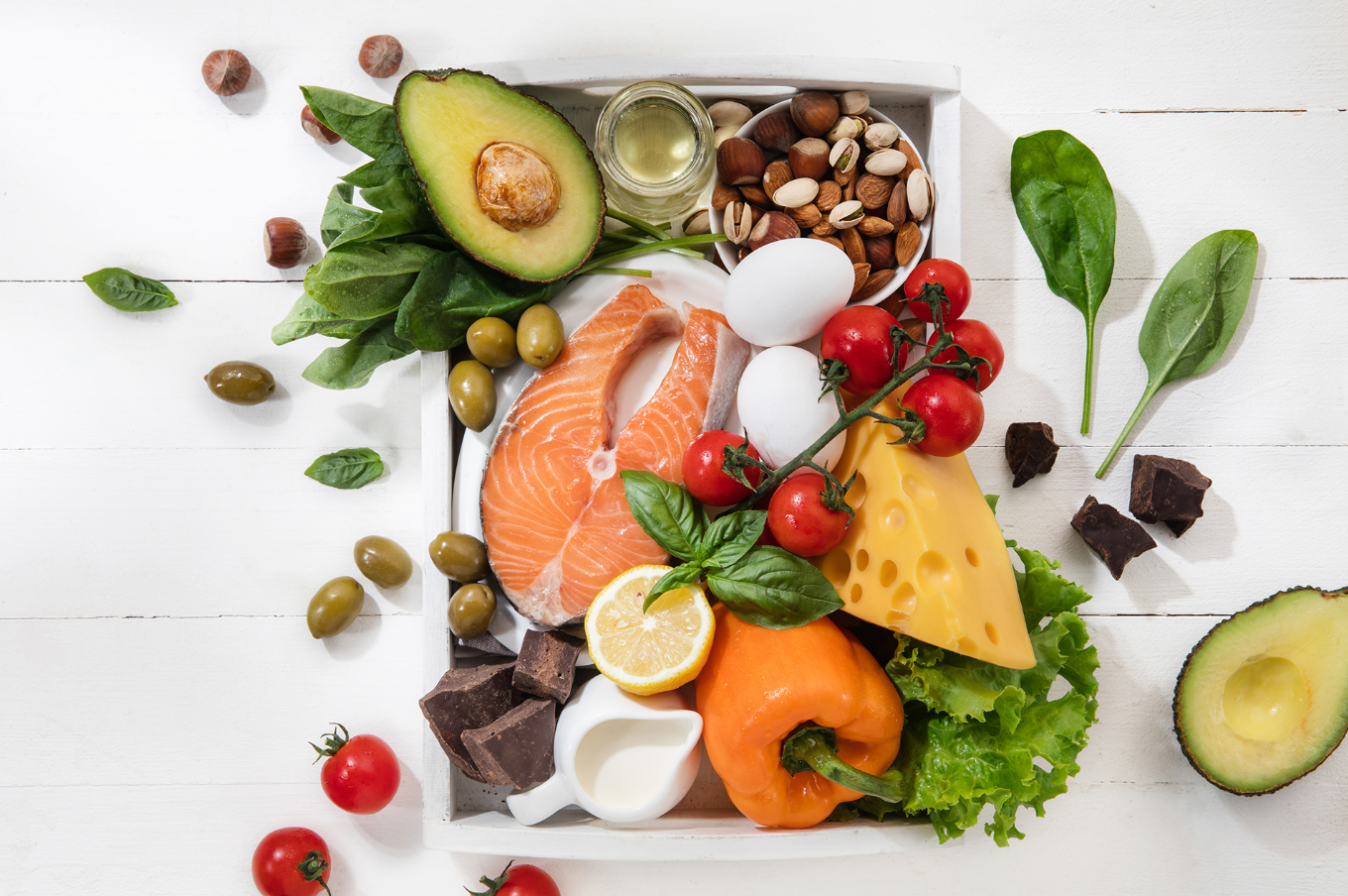
For example, nightshade vegetables (tomatoes, peppers, eggplant) appear on many anti-inflammatory food lists. But for some people with rheumatoid arthritis or lupus, nightshades can trigger joint pain and flare-ups. Similarly, certain whole grains are beneficial for most people, but they can worsen symptoms in those with celiac-related autoimmune conditions.
A personalized anti-inflammatory diet plan, developed by a licensed professional who reviews your lab work and health history, addresses these nuances. Generic protocols miss them entirely.
At OnlineNutritionPlans.com, board-certified doctors analyze your blood tests, autoimmune history, and lifestyle factors to build a metabolic and nutrition plan designed specifically for you. No guesswork, no generic templates.
If you are new to anti-inflammatory eating, these meal frameworks can help you get started. Adjust portions and specific ingredients based on your individual needs and tolerances.
Overnight oats made with rolled oats, chia seeds, unsweetened almond milk, and topped with fresh blueberries and a drizzle of raw honey. Or scrambled eggs with sauteed spinach, turmeric, and avocado slices on a slice of whole grain toast.
A large salad with mixed greens, grilled salmon, cherry tomatoes, cucumber, walnuts, and extra virgin olive oil dressing. Or a quinoa bowl with roasted sweet potato, black beans, avocado, and a squeeze of lime.
Baked mackerel with roasted broccoli, garlic, and brown rice. Or a lentil soup loaded with carrots, celery, onion, turmeric, and ginger, served alongside a side of steamed kale.
A handful of almonds or walnuts, sliced apple with almond butter, or a small portion of hummus with carrot and celery sticks. Fresh berries with a small square of dark chocolate (70% cacao or higher) also fit well into an anti-inflammatory framework.
At OnlineNutritionPlans.com, board-certified doctors analyze your blood tests, autoimmune history, and lifestyle factors to build a metabolic and nutrition plan designed specifically for you. No guesswork, no generic templates.
Spend one week tracking everything you eat without making changes. This gives you an honest picture of where inflammatory foods are hiding in your routine. Pay special attention to packaged foods, sugary beverages, and cooking oils.
Replace one inflammatory food per week with an anti-inflammatory alternative. Swap white rice for brown rice, sugary snacks for fresh fruit, and processed cooking oils for extra virgin olive oil. Gradual changes stick better than overnight overhauls.
Add probiotic-rich foods like plain yogurt (with live active cultures), kimchi, sauerkraut, and kefir. Pair these with prebiotic fiber from onions, garlic, asparagus, and bananas to feed your beneficial gut bacteria. A balanced gut microbiome directly supports immune regulation.
How you prepare food matters. Baking, steaming, and quick stir-frying preserve nutrients and avoid creating inflammatory compounds. Grilling meat at high temperatures generates potentially harmful compounds, although grilled vegetables and fish remain safe options.
Keep a simple daily log of what you eat and how you feel. Note energy levels, joint pain, digestive symptoms, skin changes, and sleep quality. After four to six weeks, patterns will emerge that show you which foods genuinely help and which ones cause problems.
Most people notice improvements in energy and digestive comfort within two to three weeks. Measurable changes in blood inflammatory markers like CRP typically appear after four to six weeks of consistent dietary changes. Autoimmune symptom improvements may take longer, often two to three months, depending on the severity of your condition and other factors like stress and sleep.
No. An anti-inflammatory diet supports your treatment plan, but it does not replace prescribed medications. Never stop or reduce medication without consulting your doctor. The goal is to use nutrition as a complementary tool that may reduce symptom severity and potentially lower the dosage your doctor considers necessary over time.
The Mediterranean diet closely aligns with anti-inflammatory eating principles, but they are not identical. The Mediterranean diet is one specific eating pattern that happens to be anti-inflammatory. Other approaches, like the DASH diet or plant-forward diets, also deliver strong anti-inflammatory benefits. The best approach for you depends on your specific health conditions and food tolerances.
Gut health plays a central role. Your intestinal lining acts as a barrier between food particles and your bloodstream. When this barrier breaks down (a condition often called "leaky gut"), partially digested food proteins enter the blood and trigger immune responses that drive systemic inflammation. Probiotic and prebiotic foods help maintain this barrier and keep your gut microbiome balanced.
Not for everyone. Nightshades like tomatoes, peppers, and eggplant contain solanine, a compound that some people with autoimmune conditions react to. But many people tolerate nightshades perfectly well. The only way to know is through an elimination protocol or personalized testing guided by a qualified practitioner.
Some people benefit from targeted supplementation, particularly omega-3 fish oil, vitamin D, and curcumin (turmeric extract). However, supplement needs vary widely based on your blood levels, medication interactions, and absorption capacity. A doctor who reviews your blood work can recommend specific supplements and dosages that make sense for your situation.
Chronic stress increases cortisol and pro-inflammatory cytokines, which can partially offset dietary improvements. Research shows that stress-related disorders elevate the risk of developing autoimmune diseases. Combining an anti-inflammatory diet with stress management techniques like regular exercise, adequate sleep (7 to 9 hours), and mindfulness practices produces the best results.
A generic guide gives you general food categories. A personalized plan, like the ones created at OnlineNutritionPlans.com, starts with your blood test results, autoimmune diagnosis, medication list, lifestyle factors, and symptom history. Your licensed doctor uses this data to identify your specific inflammatory triggers and build a nutrition and metabolic plan that targets your unique needs. The difference is precision versus guesswork.
An anti-inflammatory diet is one of the most impactful tools you can use to manage autoimmune inflammation, support your immune system, and improve your quality of life. The fundamentals are straightforward: eat more whole foods, healthy fats, colorful produce, and omega-3-rich proteins while cutting back on processed foods, added sugars, and refined carbohydrates.
But fundamentals only take you so far. If you live with an autoimmune condition, your body's inflammatory triggers are unique to you. What works for one person may aggravate symptoms in another. That is why working with a licensed professional who analyzes your blood work, health history, and lifestyle factors makes such a significant difference.
At OnlineNutritionPlans.com, board-certified doctors build personalized anti-inflammatory diet, metabolic, and lifestyle plans designed around your individual data. No generic templates. No guesswork. Just a plan that actually fits your body and your life.