Having an autoimmune condition does not mean your dessert days are over. You absolutely can enjoy sweet treats while following the autoimmune protocol. The trick is learning which ingredients work for your body, which sweeteners actually help your gut instead of wrecking it, and how to tweak recipes based on the specific condition you are dealing with.
Here is a number that might surprise you. A 2019 clinical study tracked women with Hashimoto's thyroiditis who followed the AIP elimination diet for 10 weeks. Their systemic inflammation dropped by 29%, measured through high-sensitivity C-reactive protein (hs-CRP) levels. On top of that, they reported feeling more energized, mentally sharper, and dealing with fewer symptoms overall. The foods you eat, including your desserts, play a real part in those kinds of results.
In this guide, you will find everything you need to start making autoimmune protocol desserts at home. We cover compliant sweeteners, flour alternatives, egg and dairy replacements, five full recipes with nutritional breakdowns, and specific guidance for conditions like Hashimoto's, IBD, rheumatoid arthritis, lupus, and psoriasis.
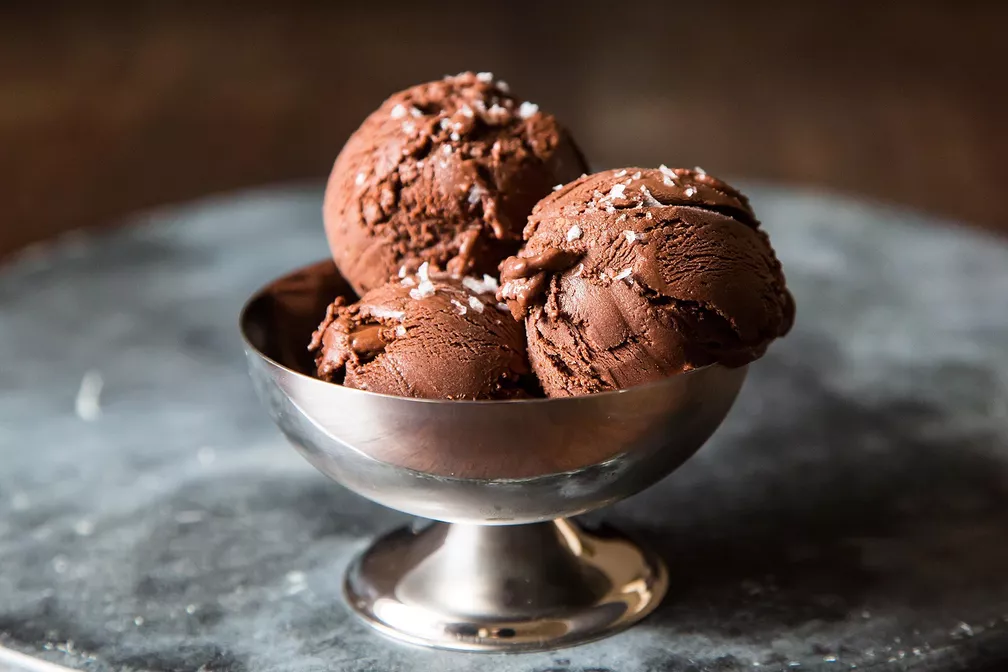
The autoimmune protocol cuts out foods that tend to trigger immune responses and damage your gut lining. When it comes to autoimmune protocol desserts, that means no grains (yes, including oats and corn), no dairy, no eggs, no refined sugar, no nuts, no seeds (cocoa and coffee fall into this category too), no nightshade-derived spices, and no food additives. Every single ingredient in your AIP dessert needs to clear these restrictions.
So what do you bake with instead? AIP desserts rely on alternative flours like cassava flour, tigernut flour, coconut flour, tapioca starch, and arrowroot starch. These are all grain-free and give your baked goods structure and texture without the gluten or inflammatory lectins. Cassava flour comes closest to wheat flour in how it behaves during baking. Coconut flour, on the other hand, soaks up a lot more liquid, so you will need to adjust your recipes if you use it.
Without eggs, you need binding agents. Grass-fed gelatin does a great job holding things together structurally. Mashed bananas, applesauce, and pureed sweet potato bring moisture and natural sweetness at the same time. For butter and dairy fats, coconut oil and palm shortening step in and produce baked goods that are just as rich and moist as the originals.
Don't rely on a single flour. Combine two or three AIP flours in one recipe for the best results. A blend of cassava flour, tapioca starch, and a small amount of coconut flour creates a crumb structure that comes remarkably close to traditional baked goods.
Not every natural sweetener makes the cut during the AIP elimination phase. Stevia, monk fruit extract, and all artificial sweeteners sit outside the protocol at this stage. The sweeteners listed below are AIP-compliant, but you still need to use them in moderation. The general guideline is to keep your total intake under 10% of daily calories, which works out to roughly 20 grams of fructose per day for most people.
|
Sweetener |
Best For |
Glycemic Index |
Key Nutrients |
|
Raw Honey |
Glazes, cookies, tea |
58 |
Vitamins B, C, zinc, iron, prebiotics |
|
Maple Syrup |
Cakes, muffins, drizzles |
54 |
Manganese, riboflavin, zinc, antioxidants |
|
Coconut Sugar |
1:1 sugar substitute |
35 |
Iron, calcium, potassium, inulin fiber |
|
Date Sugar/Paste |
Energy balls, bars, brownies |
42 |
Fiber (7g per 100g), potassium, magnesium |
|
Blackstrap Molasses |
Gingerbread, spice cakes |
55 |
Iron, calcium, magnesium, B6 |
Liquid sweeteners like honey and maple syrup add extra moisture to your batter. If you are swapping them in for a granulated sweetener, reduce the other liquids in your recipe by about 2 to 3 tablespoons so you don't end up with something soggy. And keep an eye on the oven, because liquid sweeteners make baked goods brown faster than you might expect.
If you have ever stared at a traditional recipe and wondered how on earth to make it AIP-friendly, this table is for you. Keep it handy when you are adapting old favorites or experimenting with new creations.
|
Conventional |
AIP Substitute |
Notes |
|
Wheat flour |
Cassava flour |
Closest 1:1 substitute; works best blended with tapioca starch |
|
Almond flour |
Tigernut flour |
Naturally sweet, nut-free (tigernut is a tuber, not a nut) |
|
Eggs (binding) |
Grass-fed gelatin |
1 tbsp gelatin + 3 tbsp warm water = 1 egg; also supports gut lining |
|
Eggs (moisture) |
Mashed banana or applesauce |
1/4 cup = 1 egg; adds natural sweetness, reduce sweetener slightly |
|
Butter |
Coconut oil or palm shortening |
Use refined coconut oil for neutral flavor; palm shortening for flaky crusts |
|
Milk/cream |
Full-fat coconut milk |
Use canned, additive-free coconut milk; chill overnight for whipped cream |
|
Chocolate |
Carob powder |
Naturally sweeter than cocoa; caffeine-free; 1:1 substitution ratio |
|
Baking powder |
Baking soda + cream of tartar |
Mix 1 tbsp baking soda + 2 tbsp cream of tartar; store up to 6 weeks |
|
Vanilla extract |
Alcohol-free vanilla or vanilla powder |
Check labels for alcohol and additives; powder is shelf-stable |
Enough theory. Here are five tested recipes that cover everything from no-bake options you can throw together in 15 minutes to oven-baked classics that will make your kitchen smell amazing. Each recipe comes with estimated macronutrient values per serving so you know exactly what you are eating.
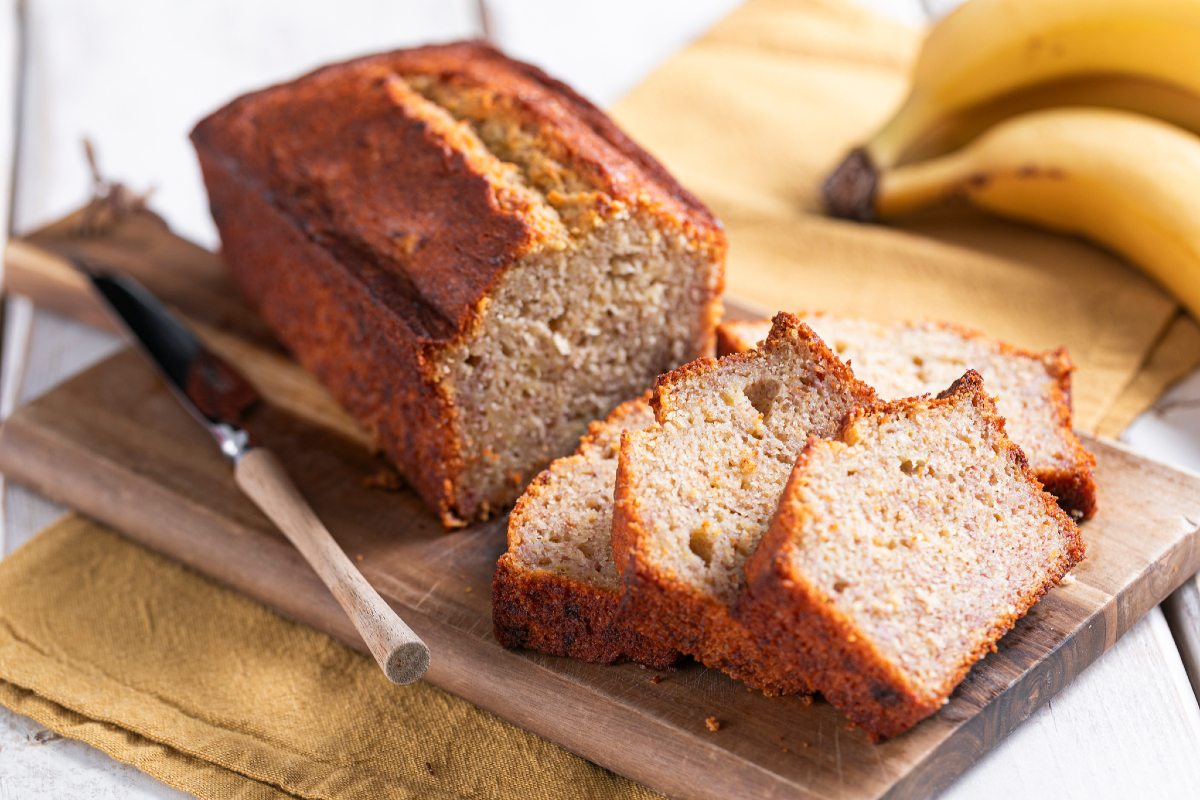 Ingredients
3 ripe bananas (mashed), 1/3 cup coconut oil (melted), 1/4 cup maple syrup, 1 cup cassava flour, 1/2 cup tapioca starch, 1 tbsp grass-fed gelatin (dissolved in 3 tbsp warm water), 1 tsp baking soda, 1 tsp cinnamon, 1/4 tsp sea salt
Preheat your oven to 350F (175C) and grease a loaf pan with coconut oil. Mash the bananas in a large bowl, then stir in the melted coconut oil, maple syrup, and dissolved gelatin until everything is smooth. Whisk the cassava flour, tapioca starch, baking soda, cinnamon, and sea salt together in a separate bowl. Fold the dry ingredients into the wet mixture until just combined. Pour the batter into the prepared loaf pan and bake for 40 to 45 minutes. You will know it is ready when a toothpick inserted in the center comes out clean. Let the bread cool in the pan for 10 minutes, then transfer it to a wire rack.
Estimated Nutrition (per slice): 180 calories, 7g fat, 28g carbs, 2g protein, 2g fiber
Condition Note: This banana bread works well for most autoimmune conditions, including Hashimoto's and rheumatoid arthritis. If you are dealing with IBD during an active flare, go easy on this one since the fiber content might irritate your gut. During remission, most people tolerate it without any issues.
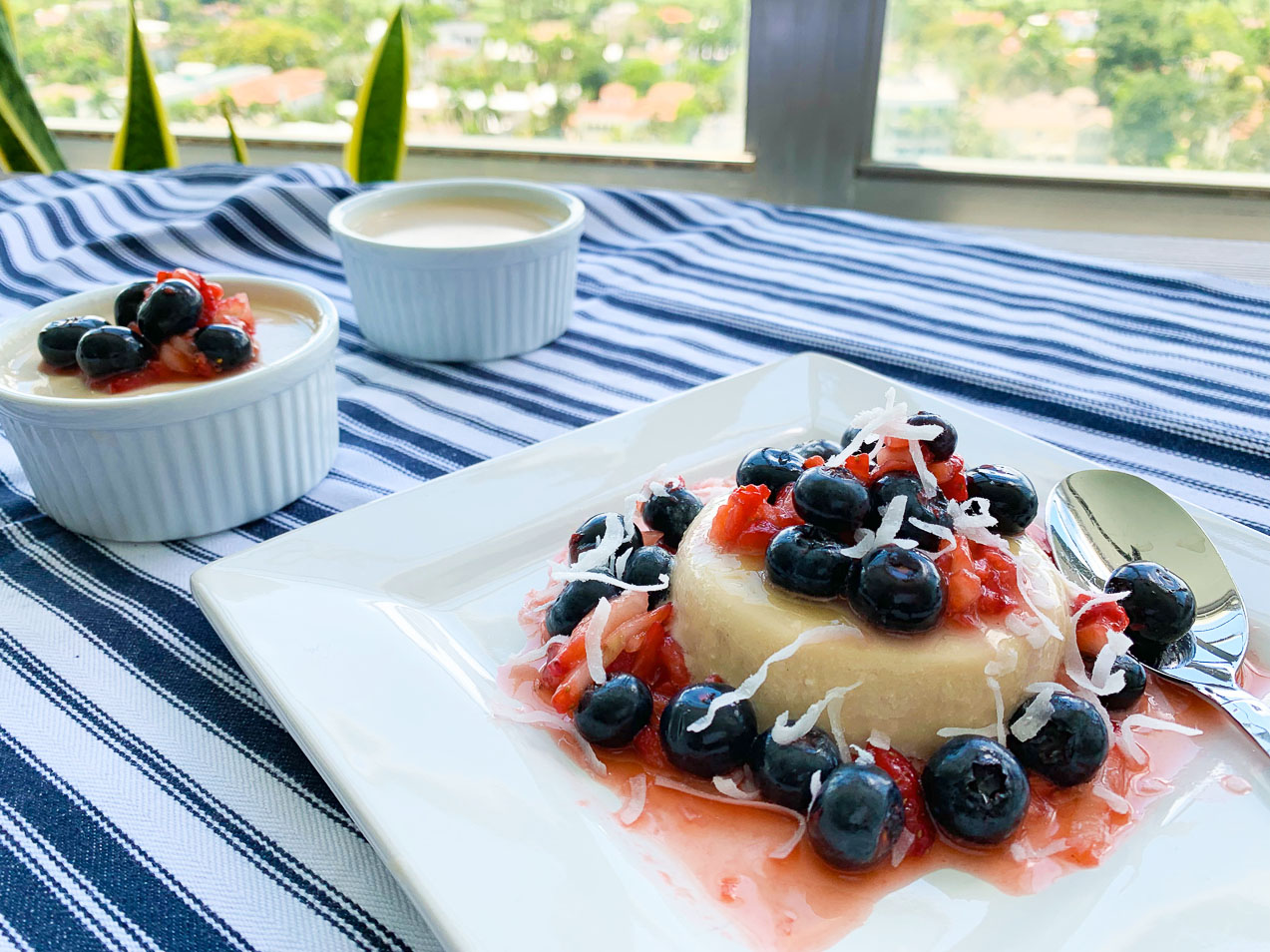 Ingredients
1 can (400ml) full-fat coconut milk, 2 tbsp raw honey, 1 tbsp grass-fed gelatin, 3 tbsp cold water, 1 tsp vanilla powder. For the compote: 1 cup mixed berries (blueberries, strawberries, raspberries), 1 tbsp maple syrup, 1 tbsp lemon juice
Sprinkle the gelatin over the cold water in a small bowl and let it bloom for 5 minutes. While that sits, heat the coconut milk and honey in a saucepan over medium heat until it just starts to simmer. Do not let it boil. Take it off the heat, add the bloomed gelatin, and whisk until everything dissolves completely. Stir in the vanilla powder, pour the mixture into four ramekins, and pop them in the fridge for at least 4 hours until they set. For the compote, toss the berries, maple syrup, and lemon juice into a small saucepan over medium-low heat. Cook for 8 to 10 minutes, stirring now and then, until the berries break down into a thick sauce. Spoon the compote over the panna cotta right before serving.
Estimated Nutrition (per serving): 210 calories, 16g fat, 14g carbs, 4g protein, 1g fiber
Condition Note: This is one of the best dessert choices if you have IBD, celiac disease, or leaky gut. Gelatin contains glycine and proline, two amino acids that actively help repair your intestinal lining. If you have lupus, keep an eye on how your body responds to berries. They are technically AIP-compliant, but a small number of lupus patients report sensitivity to them.
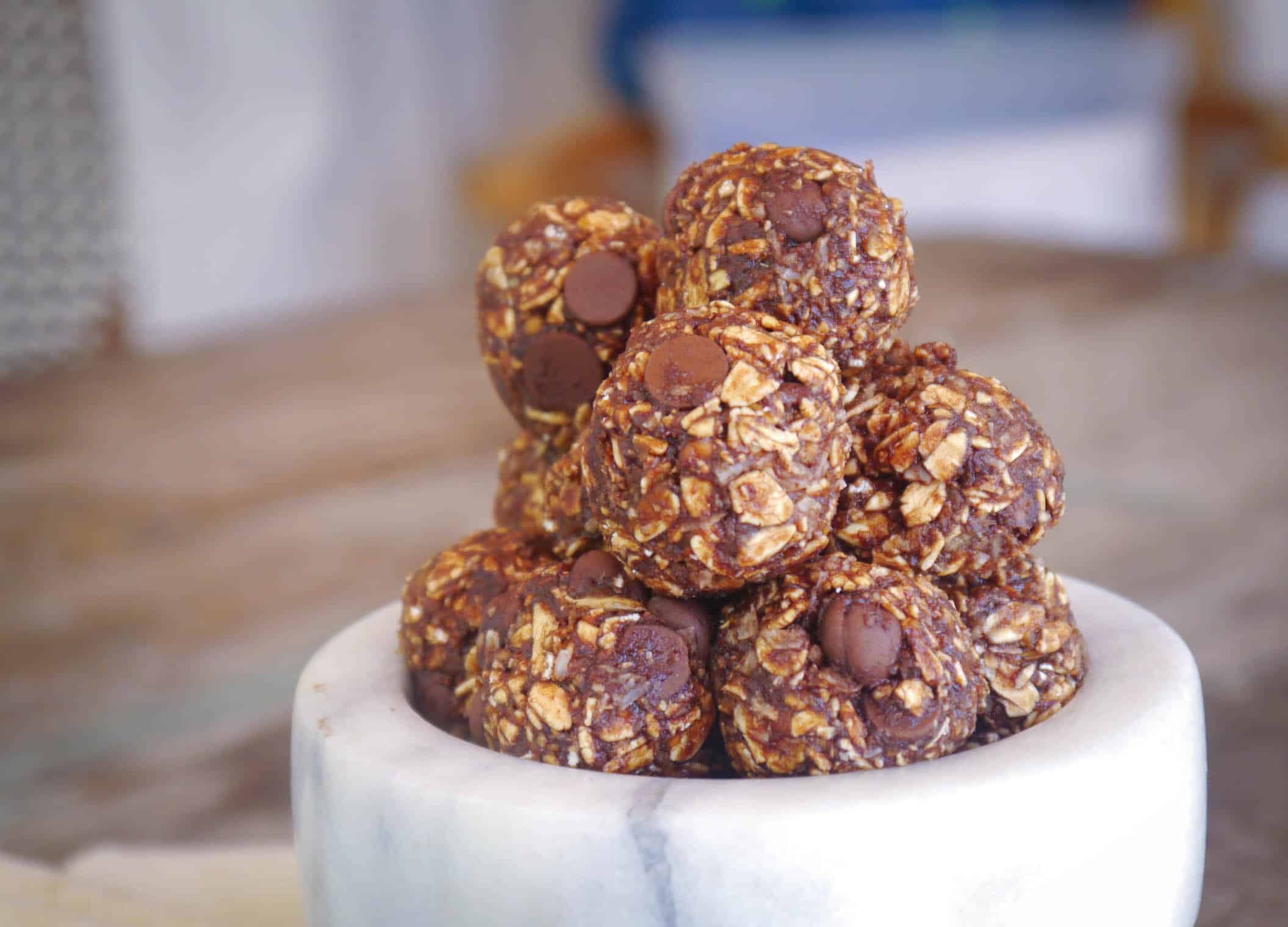 Ingredients
1 cup pitted Medjool dates, 1/4 cup carob powder, 1/4 cup coconut oil (softened), 2 tbsp coconut butter, 1/4 cup unsweetened shredded coconut, pinch of sea salt
Toss the pitted dates into a food processor and pulse until they form a sticky paste. Add the carob powder, coconut oil, coconut butter, and sea salt, then process until everything comes together into a thick, uniform dough. If it feels too dry, add a teaspoon of water at a time until it cooperates. Roll the dough into 12 evenly sized balls and coat each one in shredded coconut. Line them up on a parchment-covered tray and refrigerate for at least 30 minutes until firm. These keep in an airtight container in the fridge for up to a week.
Estimated Nutrition (per bite): 95 calories, 5g fat, 13g carbs, 1g protein, 2g fiber
Condition Note: These energy bites suit pretty much every autoimmune condition during the elimination phase. Dates pack potassium and magnesium, two minerals especially helpful for people with rheumatoid arthritis and multiple sclerosis because they support muscle and nerve function. If you have Hashimoto's or another thyroid condition, carob is your safest chocolate stand-in. Unlike cocoa, it has zero caffeine and zero theobromine, so it will not interfere with your levothyroxine.
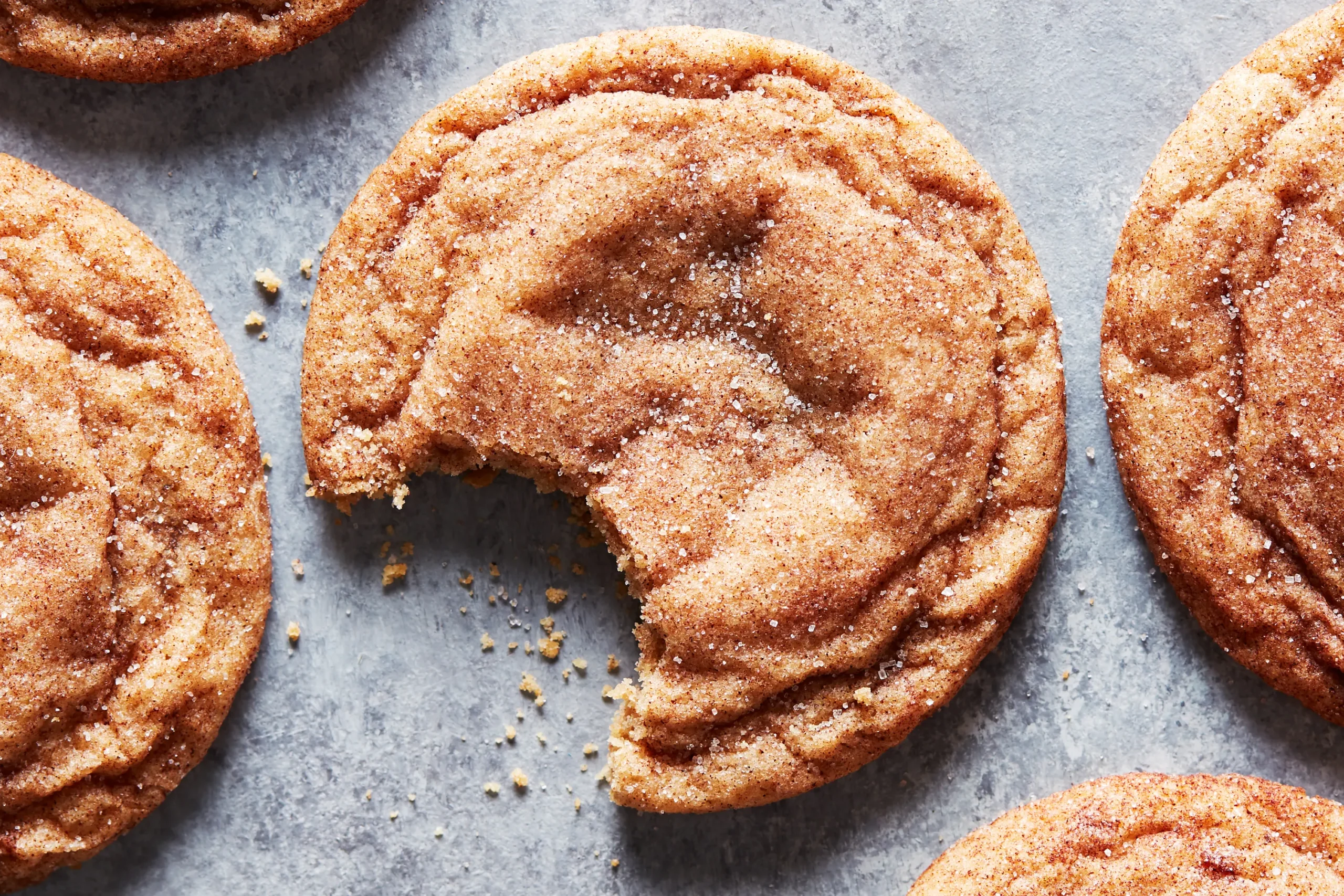 Ingredients
1 cup mashed sweet potato (about 1 medium sweet potato, baked and cooled), 1/2 cup tigernut flour, 1/4 cup tapioca starch, 2 tbsp coconut oil (melted), 2 tbsp maple syrup, 1 tsp cinnamon, 1/2 tsp baking soda, 1/4 tsp ground ginger, pinch of sea salt
Preheat your oven to 350F (175C) and line a baking sheet with parchment paper. In a mixing bowl, combine the mashed sweet potato, melted coconut oil, and maple syrup and stir until smooth. Whisk the tigernut flour, tapioca starch, baking soda, cinnamon, ginger, and sea salt in a separate bowl. Add the dry mix to the wet mix and stir until a soft dough forms. Scoop tablespoon-sized portions onto the baking sheet, leaving about 2 inches between each one. Flatten them slightly with the back of a spoon. Bake for 16 to 18 minutes until the edges turn golden. Let the cookies sit on the baking sheet for 5 minutes before moving them to a wire rack.
Estimated Nutrition (per cookie): 85 calories, 3g fat, 14g carbs, 1g protein, 1g fiber
Condition Note: Sweet potatoes are loaded with beta-carotene, which your body converts into vitamin A to support immune regulation. These cookies work especially well for people with Hashimoto's, psoriasis, and RA. One exception: if you also have SIBO (small intestinal bacterial overgrowth) alongside your autoimmune condition, sweet potatoes can sometimes ferment in the gut and cause bloating. Talk to your practitioner about your specific tolerance before making these a regular part of your rotation.
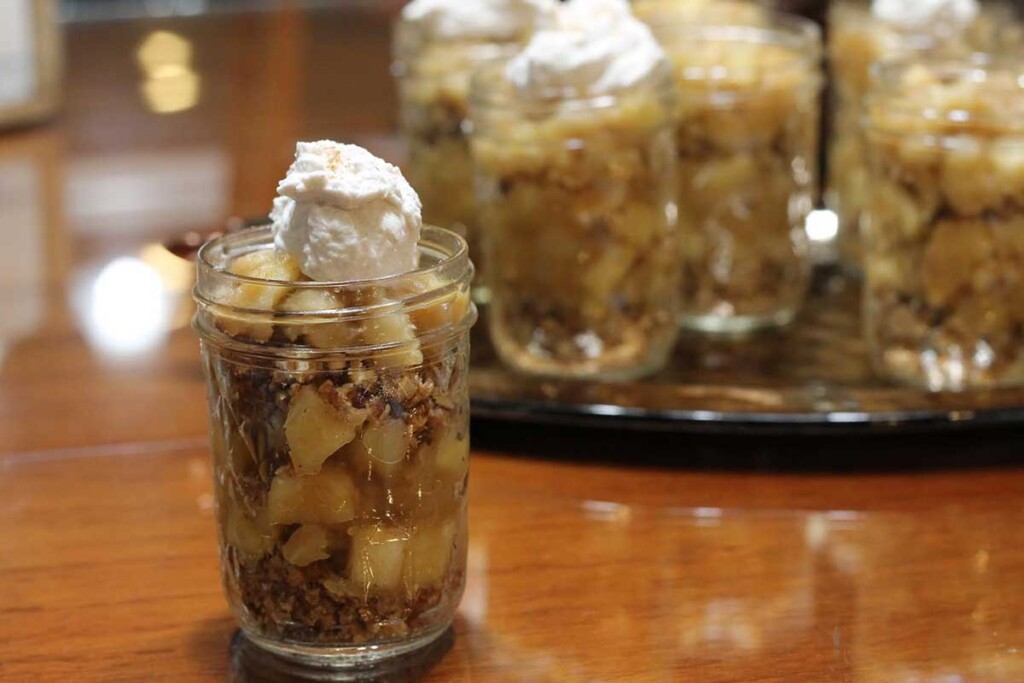 Ingredients
4 medium apples (peeled, cored, sliced), 1 tbsp lemon juice, 2 tbsp maple syrup (divided), 1 tsp cinnamon (divided). For the topping: 1/2 cup tigernut flour, 1/3 cup unsweetened coconut flakes, 3 tbsp coconut oil (cold, cut into small pieces), 1 tbsp maple syrup, pinch of sea salt
Preheat your oven to 375F (190C). Toss the sliced apples with lemon juice, 1 tablespoon of maple syrup, and half a teaspoon of cinnamon, then spread them evenly in an 8x8-inch baking dish. In a separate bowl, mix the tigernut flour, coconut flakes, the remaining cinnamon, and sea salt. Use a fork or pastry cutter to work the cold coconut oil into the dry mixture until it looks like coarse crumbs. Stir in the last tablespoon of maple syrup. Scatter the topping over the apples and bake for 30 to 35 minutes until the top is golden and the apples are bubbling underneath. Let it cool for about 10 minutes before you dig in.
Estimated Nutrition (per serving): 175 calories, 9g fat, 24g carbs, 1g protein, 3g fiber
Condition Note: Apples are a great source of quercetin, a flavonoid that researchers have documented for its anti-inflammatory effects. People with lupus, RA, and psoriasis may find this particularly helpful. Go with tart varieties like Granny Smith if you want to keep the sugar content lower. And if you have celiac disease, double-check that your tigernut flour comes from a certified gluten-free facility. Cross-contamination with wheat is surprisingly common among specialty flour brands.
Your autoimmune condition is unique, and your desserts should reflect that. A licensed practitioner at OnlineNutritionPlans.com can look at your blood work, your current symptoms, and your dietary history to build a personalized metabolic and nutrition plan. That includes AIP-compliant dessert recommendations matched to your specific condition and triggers. Get your personalized plan today at OnlineNutritionPlans.com.
Not every AIP dessert suits every autoimmune condition equally. What helps someone with Hashimoto's might actually cause problems for someone with active Crohn's. Here is a closer look at how AIP desserts interact with the most common autoimmune diagnoses, so you can make smarter choices for your specific situation.
Blood sugar rollercoasters hit Hashimoto's patients especially hard. AIP desserts that use low glycemic sweeteners like coconut sugar (GI of 35) and date sugar (GI of 42) help you avoid the insulin spikes that make thyroid symptoms worse. Stay away from anything with caffeine in it, because caffeine messes with levothyroxine absorption. Carob is your best friend here as a safe chocolate replacement in any AIP dessert recipe.
Studies on IBD patients who followed the AIP diet showed measurable improvements in quality of life after 11 weeks. When it comes to desserts, gelatin-based options like panna cotta and gummies are your safest bet during active flares. Gelatin supports gut lining repair without adding fiber that can irritate already inflamed tissue. Save the fruit crisps and banana bread for remission periods, and reintroduce them one at a time so you can track how your body responds.
A 2023 controlled study found promising results for reducing RA symptoms through the AIP diet. When you bake AIP desserts for RA, lean into anti-inflammatory spices like cinnamon, ginger, and turmeric. These are all AIP-compliant and they do more than taste good. Focus on desserts that deliver potassium and magnesium, like date-based energy bites and sweet potato cookies. Those minerals directly support the joint and muscle function that RA tends to compromise.
Psoriasis happens when overactive T-cells drive chronic skin inflammation. AIP desserts with beta-carotene-rich ingredients like sweet potato can help your skin from the inside out. Adding turmeric and ginger to your recipes gives you extra anti-inflammatory support. The one thing to watch out for is sugar load. Even compliant sweeteners trigger insulin responses, and those insulin spikes can make skin inflammation flare. Stick to naturally sweet, whole-food desserts like fruit crisps and energy bites rather than heavily sweetened baked goods.
Kidney involvement is a common issue with lupus, and that means you need to pay attention to your potassium and phosphorus intake. Choose AIP desserts that use moderate amounts of fruit and natural sweeteners rather than loading up on them. Coconut-based desserts are generally well tolerated, but keep tabs on how much coconut you consume in a day. Some lupus patients notice digestive discomfort when they eat large amounts of coconut products.
Generic AIP protocols treat everyone the same. Your body is not generic. At OnlineNutritionPlans.com, licensed practitioners dig into your blood tests, symptoms, lifestyle habits, and current medications to create a metabolic and nutrition plan built around you. That includes AIP-compliant meal plans and dessert recommendations designed for your unique triggers and healing goals. Start your personalized autoimmune nutrition plan at OnlineNutritionPlans.com.
Not during the elimination phase. Cocoa and chocolate contain caffeine, theobromine, and phytic acid, and the AIP protocol removes all three. Your closest compliant alternative is carob powder. It has a naturally sweeter flavor than cocoa, contains no stimulants, and swaps in at a 1:1 ratio in most recipes. Once you finish the elimination phase, you can try reintroducing high-quality, dairy-free dark chocolate one ingredient at a time with your practitioner's guidance.
Yes, it is. Despite the name, coconut is actually a fruit (technically a drupe), not a tree nut. That means coconut flour, coconut oil, coconut milk, coconut cream, shredded coconut, and coconut butter are all fair game during the elimination phase. Diagnosed coconut allergies do exist, though they are rare. If you have one, your practitioner can help you find suitable alternatives for AIP baking.
Most AIP practitioners say no during the elimination phase. Stevia belongs to the Asteraceae plant family, and some people with autoimmune conditions react to its compounds. Monk fruit extract goes through heavy processing and often comes with additives that are not AIP-compliant. Once you complete elimination, stevia tends to be one of the first sweeteners people try reintroducing. Give yourself a full 72 hours after that first reintroduction to monitor how your body responds before making it a regular ingredient.
There is no hard and fast rule, but moderation is the guiding principle. Dr. Sarah Ballantyne, the researcher behind The Paleo Approach, recommends keeping all natural sugars under 10% of your total daily calories. For most adults on the AIP diet, that means you can enjoy one small AIP dessert a day or a moderate-sized treat every other day without issues. The smarter move is to focus on nutrient-dense desserts made with ingredients like sweet potato, gelatin, and whole fruit rather than AIP-compliant treats that are basically imitations of conventional junk food.
Paleo desserts allow eggs, nuts, seeds, cocoa, and seed-based spices. AIP removes all of those during the elimination phase. Think of AIP as a stricter version of paleo that targets the specific immune triggers involved in autoimmune conditions. The good news is that most paleo dessert recipes can become AIP-friendly with a few swaps: gelatin in place of eggs, tigernut or cassava flour instead of nut flours, and carob instead of cocoa.
AIP desserts made from whole-food ingredients are generally safe for kids, but pediatric autoimmune conditions need close medical supervision. Children have different caloric and nutritional requirements than adults, so you will need to adjust portion sizes and sweetener amounts. Always consult with a pediatric specialist before starting any elimination diet for a child, including AIP.
Most of them freeze beautifully for up to three months. Banana bread, cookies, and energy bites all hold their texture well after thawing. Gelatin-based desserts like panna cotta are the exception. The gelatin structure breaks down during freezing, and you end up with a grainy consistency that is not very pleasant. For the best results, freeze individual portions in airtight containers and thaw them at room temperature or in the refrigerator overnight.