Chia seeds show up on nearly every superfood list. They pack omega-3 fatty acids, fiber, and complete plant protein into a tiny, versatile package. But if you follow the Autoimmune Protocol (AIP), you already know that "healthy" does not always mean "safe for you."
Chia seeds are not compliant during the AIP elimination phase. The AIP removes all seeds, nuts, grains, and pseudograins to give your gut time to heal and your immune system a chance to calm down. Chia seeds fall into this excluded category, even though they carry fewer problematic compounds than other pseudograins like quinoa or amaranth.
That said, chia seeds hold a unique position in the AIP framework. Dr. Sarah Ballantyne, the researcher behind the protocol, moved chia seeds from Stage 4 reintroduction all the way up to Stage 2 because they lack many of the inflammatory triggers found in other pseudograins. This guide explains exactly why chia seeds sit in this grey zone, what makes them different, when you can consider adding them back, and why your individual autoimmune condition matters more than any general food list.
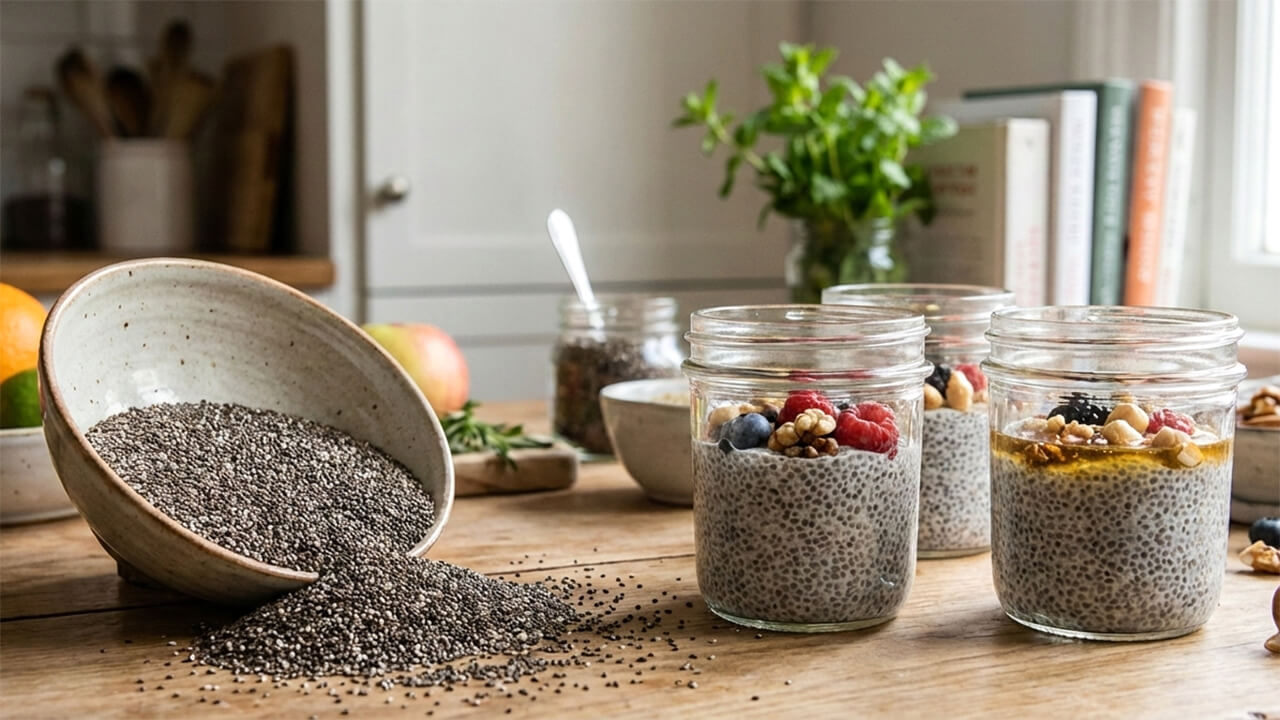
Most pseudograins get eliminated on the AIP because they contain specific compounds that can damage the gut lining or trigger immune reactions. Quinoa, amaranth, and buckwheat all carry saponins and amylase-trypsin inhibitors. The prolamins in quinoa and amaranth also act as known gluten cross-reactors, meaning your immune system can mistake them for gluten and launch an inflammatory response.
Chia seeds (Salvia hispanica) come from the mint family, not from the same botanical families as these other pseudograins. Research has not identified saponins, problematic prolamins, or amylase-trypsin inhibitors in chia seeds at levels that raise concern. This distinction matters because it means chia seeds do not share the same immune-triggering mechanisms that keep quinoa and amaranth in the strictest reintroduction stage.
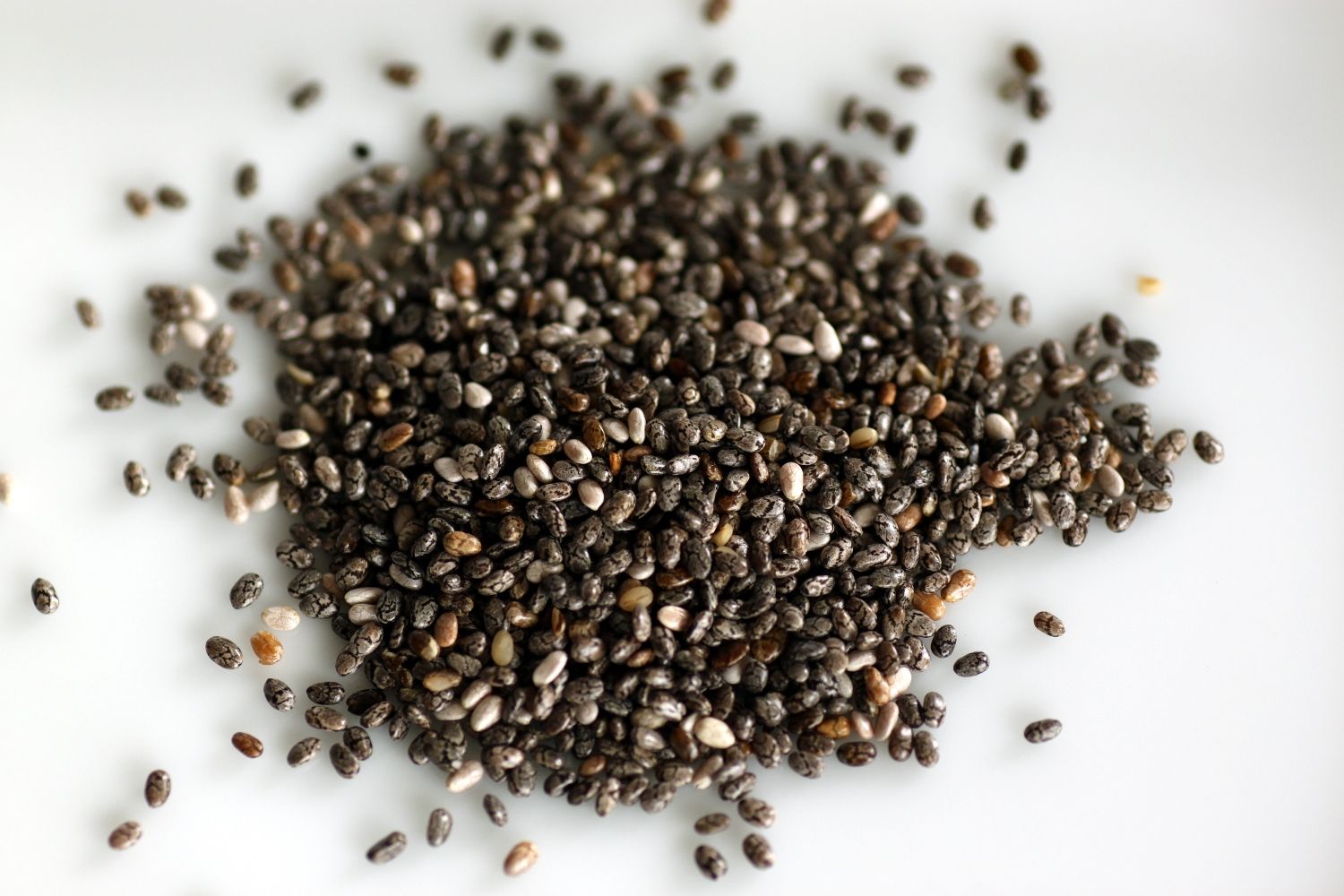
So why does the AIP still exclude chia seeds during elimination? The answer comes down to one component: mucilage fiber. When chia seeds absorb liquid, they form a thick, gel-like coating. This mucilage provides prebiotic benefits for gut bacteria, but it also modulates the immune system in ways that researchers do not yet fully understand. Certain types of mucilage stimulate the Th1 immune response (as seen with flaxseed), while others activate the Th2 response (as observed with natto). Until scientists clarify how chia mucilage interacts with autoimmune-driven immune pathways, the AIP keeps chia seeds out of the elimination phase as a precaution.
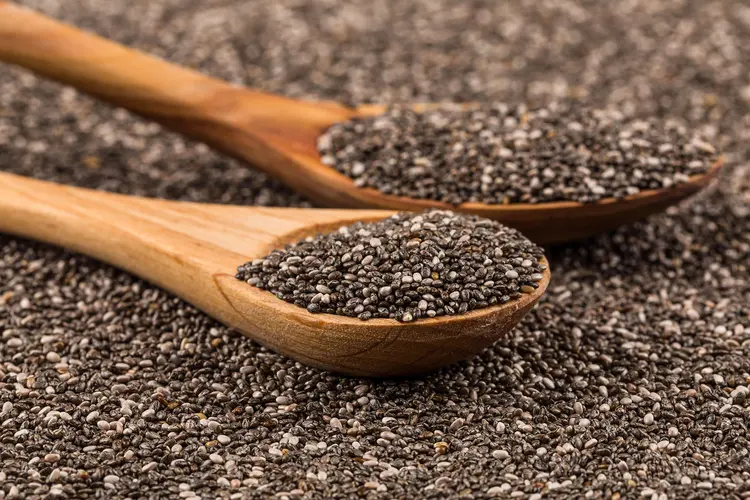
Understanding the nutritional composition of chia seeds helps you evaluate whether reintroducing them aligns with your health goals. A single ounce (about two tablespoons) of chia seeds delivers a concentrated dose of nutrients that many autoimmune patients struggle to get from AIP-compliant foods alone.
| Nutrient (per 1 oz / 28g) | Amount |
|---|---|
| Calories | 140 kcal |
| Protein | 4-5 g (complete, all 9 essential amino acids) |
| Fiber | 10-11 g (approx. 40% daily value) |
| Omega-3 (ALA) | 5 g (highest plant-based source) |
| Calcium | 18% of daily value |
| Fat (total) | 9 g (mostly unsaturated) |
| Magnesium | Significant source |
| Phosphorus, Zinc, Selenium | Trace mineral coverage |
Key stat: About 60% of the fat in chia seeds consists of alpha-linolenic acid (ALA), making them the richest plant-based source of omega-3 fatty acids, surpassing even flaxseed. A large Chinese cohort study of over 63,000 individuals found that participants with the highest omega-3 intake from plant and seafood sources had a 17% lower risk of cardiovascular mortality compared to those with the lowest intake.
For autoimmune patients, the anti-inflammatory potential of ALA is particularly relevant. Chronic inflammation drives tissue damage in conditions like Hashimoto's thyroiditis, rheumatoid arthritis, and lupus. However, your body needs to convert ALA into EPA and DHA (the active forms of omega-3) to access the full anti-inflammatory benefit, and this conversion process runs at low efficiency in most people. This is why AIP practitioners often recommend marine-based omega-3 sources like wild-caught salmon alongside any plant-based options.
The Autoimmune Protocol now offers two pathways: Core AIP (the original, stricter version) and Modified AIP (a less restrictive update introduced in 2024). Your choice between these two paths directly affects whether chia seeds enter your diet during the elimination phase.
Core AIP eliminates all seeds, pseudograins, nuts, grains, and legumes. Chia seeds fall squarely into the excluded category here. You will not eat chia seeds during Core AIP elimination, and you will reintroduce them only during Stage 2 of the structured reintroduction process.
Modified AIP permits pseudograins, seeds, and certain legumes. Under the Modified AIP framework, chia seeds can remain in your diet during the elimination phase. This version acknowledges that strict elimination is not always necessary or sustainable for every patient, and that many of the foods removed on Core AIP do not trigger reactions in the majority of autoimmune patients.
Which version should you follow? The answer depends on your specific autoimmune condition, symptom severity, and how your body has responded to dietary interventions in the past. A person with newly diagnosed, active inflammatory bowel disease may benefit from Core AIP to achieve rapid symptom reduction. Someone with well-managed Hashimoto's who wants to optimize their diet might find Modified AIP sufficient.
This is exactly why a one-size-fits-all food list falls short. Your autoimmune condition, your current lab work, your inflammatory markers, and your gut health status all shape which foods support healing and which ones set you back.
If you follow Core AIP and want to bring chia seeds back, the reintroduction framework places them in Stage 2, alongside other nuts and seeds. Before attempting reintroduction, make sure you meet these prerequisites:
You have completed at least 30 to 90 days of strict AIP elimination. Your autoimmune symptoms should show measurable improvement, and your baseline should feel stable enough that you can detect subtle changes when testing a new food.
You have successfully completed Stage 1 reintroductions. Stage 1 includes egg yolks, seed-based spices, ghee, and legumes with edible pods. If any of these caused reactions, address those results before moving to Stage 2.
Not every autoimmune patient responds to chia seeds the same way. Your specific condition influences how your immune system handles the compounds in chia seeds, particularly the mucilage fiber and the omega-3 fatty acids.
Th1-dominant conditions (such as Hashimoto's thyroiditis, multiple sclerosis, type 1 diabetes, and Crohn's disease) involve an overactive cellular immune response. If chia mucilage stimulates the Th1 pathway, it could theoretically worsen inflammation in these conditions. Patients with Th1-dominant autoimmunity should monitor closely for increased fatigue, joint stiffness, or flare-ups after eating chia seeds.
Th2-dominant conditions (such as lupus, allergies, and certain forms of ulcerative colitis) involve an overactive antibody-mediated response. If chia mucilage activates the Th2 pathway, these patients might experience worsened symptoms. The research on exactly which pathway chia mucilage stimulates remains incomplete, which is precisely why individual testing through structured reintroduction matters.
While you wait to reintroduce chia seeds, several AIP-compliant foods can fill similar nutritional gaps. Here are targeted alternatives for each key nutrient that chia seeds provide:
Wild-caught salmon, sardines, mackerel, and anchovies deliver EPA and DHA directly, bypassing the inefficient ALA conversion step. Aim for 2 to 3 servings of fatty fish per week.
Sweet potatoes, plantains, beets, carrots, and other root vegetables provide soluble and insoluble fiber that supports gut bacteria without the mucilage concerns. Leafy greens like spinach and kale add bulk fiber.
During AIP elimination, your protein comes primarily from animal sources: grass-fed beef, pastured poultry, wild-caught fish, and organ meats. Bone broth provides both protein and gut-healing collagen.
Bone-in canned sardines, leafy greens (especially collard greens and bok choy), and bone broth cover calcium needs. Shellfish and organ meats fill zinc, selenium, and magnesium gaps effectively during the elimination phase.
The Autoimmune Protocol provides an evidence-based framework, and the clinical data supports its effectiveness. A 2017 study on inflammatory bowel disease patients found that 73% achieved clinical remission within just six weeks of following the AIP. But these results came from a structured program with close monitoring, health coaching, and individualized support.
The protocol itself is a template. Your version of the AIP should reflect your unique biology, not a copy-paste food list. Two patients with Hashimoto's thyroiditis can have completely different food tolerances based on their gut microbiome composition, stress levels, sleep quality, medication regimen, and nutrient deficiencies. Chia seeds might be a beneficial addition for one and an inflammatory trigger for the other.
This is why working with a licensed practitioner who reviews your blood work, understands your autoimmune condition, and builds a plan around your individual data produces better outcomes than following a generic elimination diet alone.
Can I eat chia seeds during AIP elimination?
No. Both the Core AIP and the original Autoimmune Protocol exclude chia seeds during the elimination phase. The Modified AIP (introduced in 2024) does allow chia seeds during elimination, but you should choose your pathway based on your condition severity and practitioner guidance.
Why are chia seeds treated differently from quinoa and amaranth on AIP?
Chia seeds come from the mint family and lack the saponins, amylase-trypsin inhibitors, and gluten cross-reactive prolamins found in quinoa and amaranth. The AIP moved chia seeds from Stage 4 to Stage 2 reintroduction specifically because their compound profile poses fewer known risks.
What is the concern about chia seed mucilage and autoimmune disease?
Chia seeds contain high levels of mucilage fiber, which forms a gel when exposed to liquid. While mucilage generally supports gut bacteria, it also modulates immune pathways (specifically Th1 and Th2 responses). For autoimmune patients whose immune systems already show Th1 or Th2 dominance, mucilage could theoretically amplify the overactive pathway.
Are chia seeds anti-inflammatory or pro-inflammatory for autoimmune patients?
Chia seeds contain anti-inflammatory compounds, particularly alpha-linolenic acid (ALA). However, the mucilage content introduces complexity for autoimmune patients. The net effect depends on your specific condition and immune balance.
How long should I wait before reintroducing chia seeds on AIP?
Complete a minimum of 30 days (ideally 60 to 90 days) of strict AIP elimination and successfully pass through Stage 1 reintroductions before attempting chia seeds in Stage 2.
Can I use chia seed oil during AIP elimination?
Seed and nut oils fall into Stage 1 of AIP reintroduction. Chia seed oil, which contains the omega-3 fatty acids without the mucilage fiber or seed proteins, may be tolerated earlier than whole chia seeds.
What are the best AIP-compliant substitutes for chia seeds in recipes?
For thickening: gelatin or collagen peptides create similar textures. For omega-3s: fatty fish and fish oil supplements deliver EPA and DHA directly. For fiber: use root vegetables and cooked leafy greens during elimination.
Do chia seeds affect gut permeability (leaky gut)?
No direct evidence shows that chia seeds increase intestinal permeability. The precautionary exclusion relates to immune modulation through mucilage, not direct gut barrier damage.