If you follow the Autoimmune Protocol (AIP), you have probably stood in a grocery store aisle staring at a bag of green beans and wondered: can I actually eat these? You are not alone. Green beans sit in one of the most confusing gray areas in the AIP diet, and getting a clear answer requires more than a quick Google search.
With autoimmune disease prevalence rising by an estimated 12.5% per year globally according to a systematic review published in the International Journal of Celiac Disease, more people than ever need reliable guidance on what they can and cannot eat. This guide breaks down the science behind green beans and the AIP diet, explains why they cause so much confusion, and gives you practical next steps.
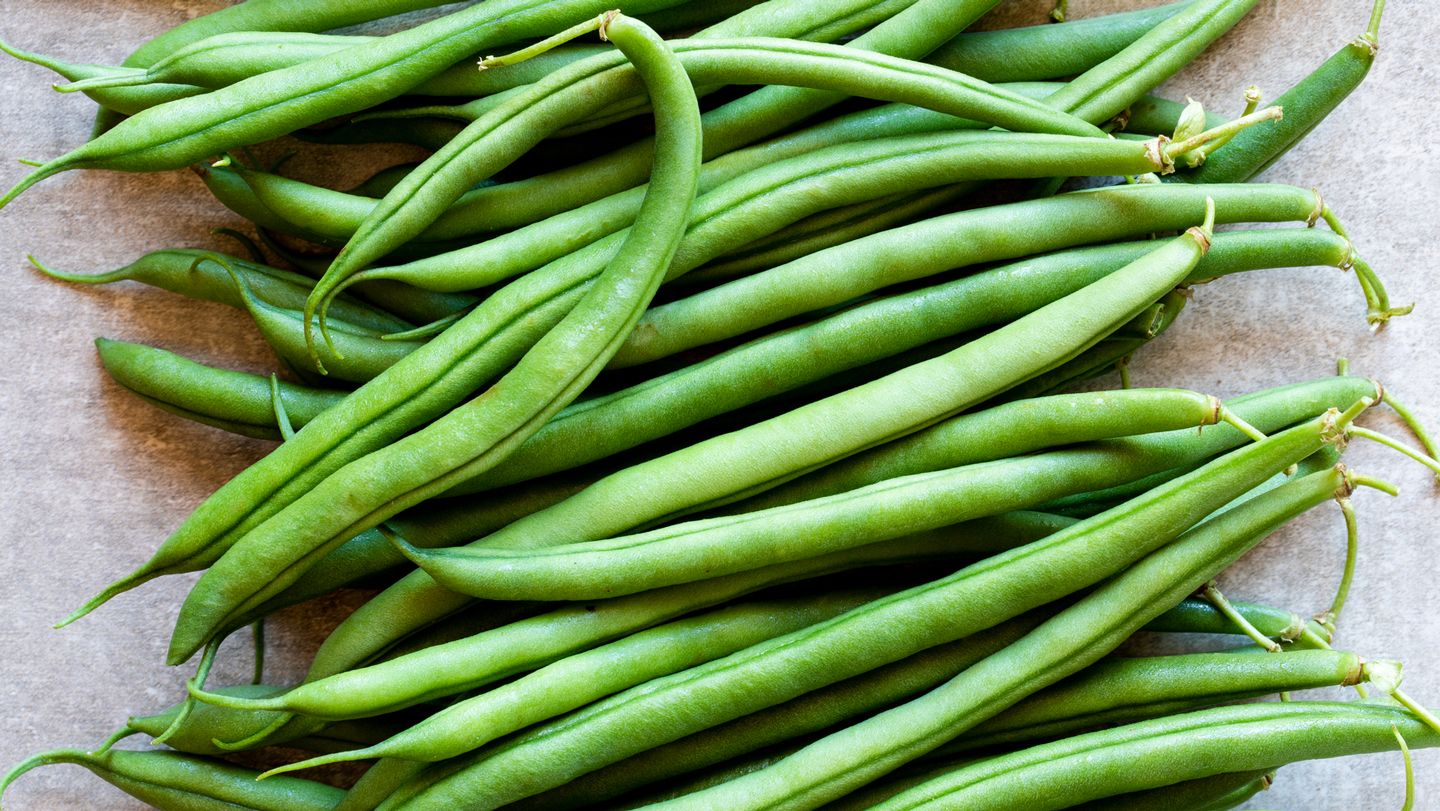
Green beans belong to the legume family (Fabaceae), and the AIP elimination phase removes all legumes. That classification alone leads most AIP food lists to mark green beans as "not compliant." However, green beans differ from traditional legumes like kidney beans, lentils, and chickpeas in one important way: you eat the pod, not the mature seed.
This distinction matters because the lectins, phytic acid, and saponins that make legumes problematic concentrate primarily in the mature seed. Green beans contain significantly lower levels of agglutinins (a sub-class of lectins) compared to dried legumes like kidney beans or soybeans. Cooking further reduces whatever small amounts remain.
Despite this, the standard AIP elimination protocol still excludes green beans. The reason is straightforward: the elimination phase prioritizes caution. Removing all potentially inflammatory foods first gives your gut time to heal. You can always test green beans later during the reintroduction phase.
During the AIP elimination phase, green beans are not compliant. They fall under the legume category, and all legumes stay off the plate during this initial period. The elimination phase typically lasts between 30 and 90 days, depending on individual symptoms and the severity of the autoimmune condition.
During the AIP reintroduction phase, green beans are one of the first foods you can test. According to the updated Autoimmune Protocol guidelines (2024-2026), legumes with edible pods, including green beans, sugar snap peas, and snow peas, belong to Stage 1 reintroductions. This means your body may tolerate them well once your gut has had time to stabilize.
Do not assume that a general AIP food list tells the full story. Your individual response to green beans depends on your specific autoimmune condition, your current gut health, and how long you have been in the elimination phase. A personalized plan built around your blood work and health history gives you a much clearer picture than any generic list.
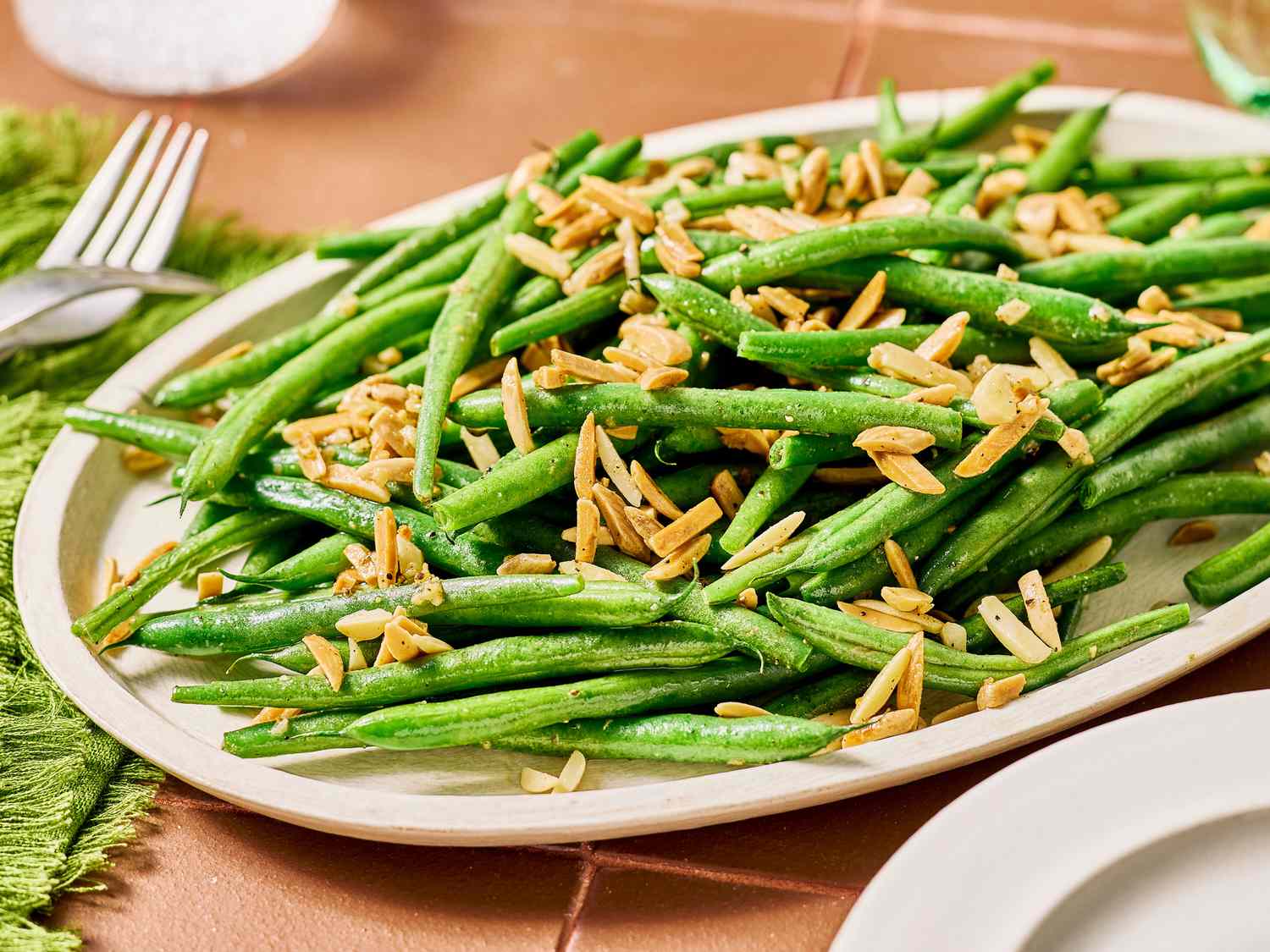
Not all legumes carry the same risk for people with autoimmune conditions. Here is how green beans compare to common legumes that the AIP diet restricts:
| Factor | Green Beans | Kidney Beans | Chickpeas |
|---|---|---|---|
| Lectin Content | Low | Very High | Moderate to High |
| Phytic Acid | Minimal | High | High |
| Edible Part | Pod (immature seed) | Mature seed | Mature seed |
| AIP Reintroduction | Stage 1 (earliest) | Stage 4 (latest) | Stage 4 (latest) |
| Cooking Deactivates Lectins? | Yes, effectively | Partially | Partially |
As this comparison shows, green beans carry a much lower risk profile than their legume relatives. The lectins in green beans are heat-unstable, which means thorough cooking can deactivate them effectively. Kidney beans, on the other hand, contain phytohemagglutinin, a highly toxic lectin that requires boiling at 100 degrees Celsius for at least 10 minutes to reduce.
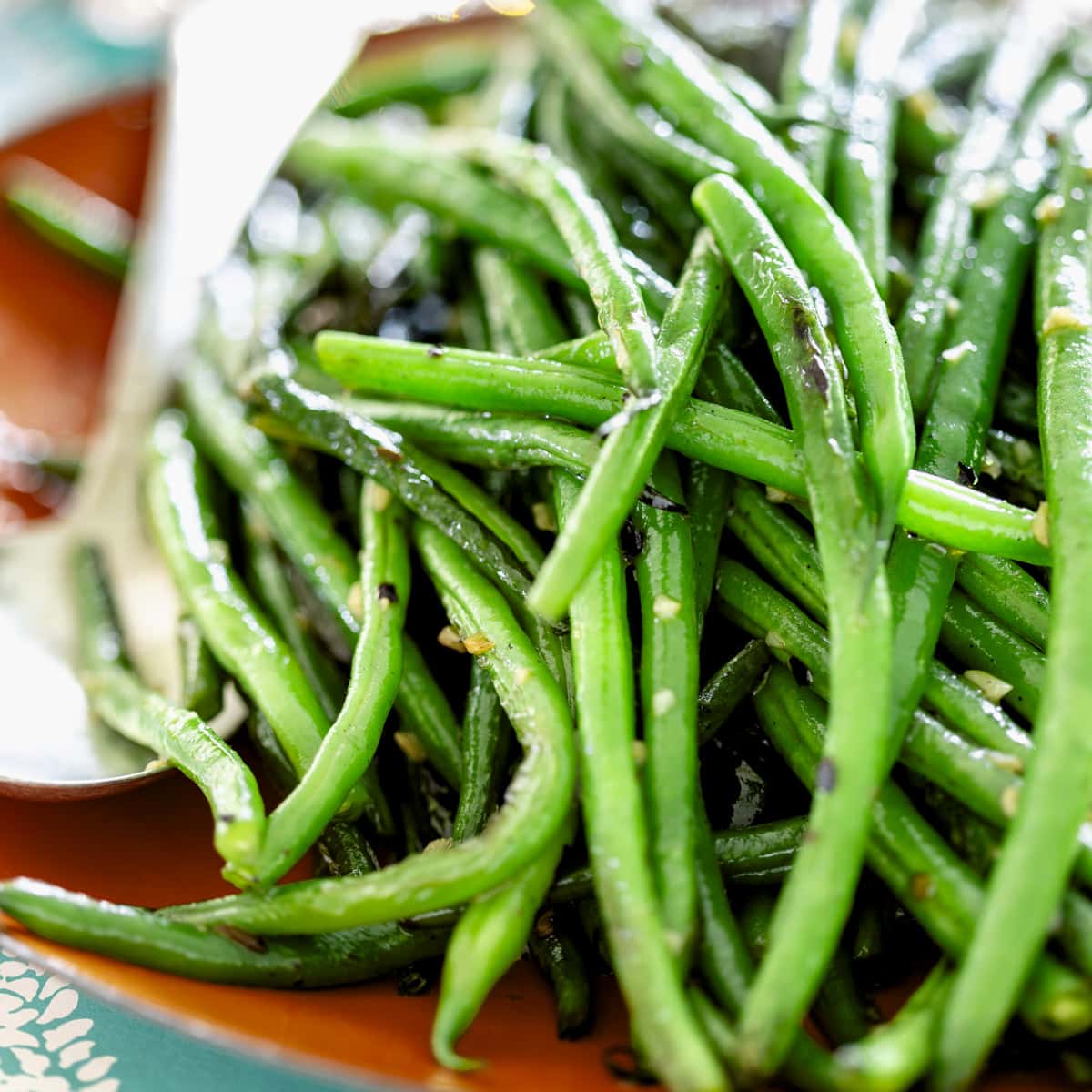
Lectins serve as a natural defense mechanism for plants. They protect seeds from being eaten by insects and other predators. In the human gut, certain lectins can bind to the intestinal lining, increase intestinal permeability (often called "leaky gut"), and trigger an immune response.
For someone with an autoimmune disease, this matters significantly. An already-compromised gut barrier allows undigested food particles and bacteria to enter the bloodstream, which can activate the immune system and worsen symptoms. Over 50 million Americans (roughly 8% of the U.S. population) live with at least one autoimmune disease, and many of them struggle with gut-related inflammation.
However, the lectin content in green beans is substantially lower than in mature, dried legumes. Research suggests that the agglutinins found in edible-podded legumes like green beans differ in both concentration and stability from those in kidney beans, soybeans, or peanuts. Cooking green beans thoroughly, whether you roast, steam, or boil them, reduces their already-low lectin content even further.
If you have Hashimoto's, lupus, rheumatoid arthritis, or inflammatory bowel disease, your sensitivity to even small amounts of lectins may differ from someone with a different autoimmune condition. This is exactly why a personalized approach matters more than following a one-size-fits-all food list.

While you work through the elimination phase or if green beans trigger symptoms during reintroduction, these vegetables offer similar textures and nutritional profiles without the legume classification:
Your autoimmune condition is unique, and your diet should reflect that. Generic food lists cannot account for your specific blood markers, inflammatory triggers, or lifestyle factors. At OnlineNutritionPlans.com, our licensed physicians create personalized AIP-based metabolic and nutrition plans built around your blood tests, health history, and individual goals. Explore your personalized plan today.
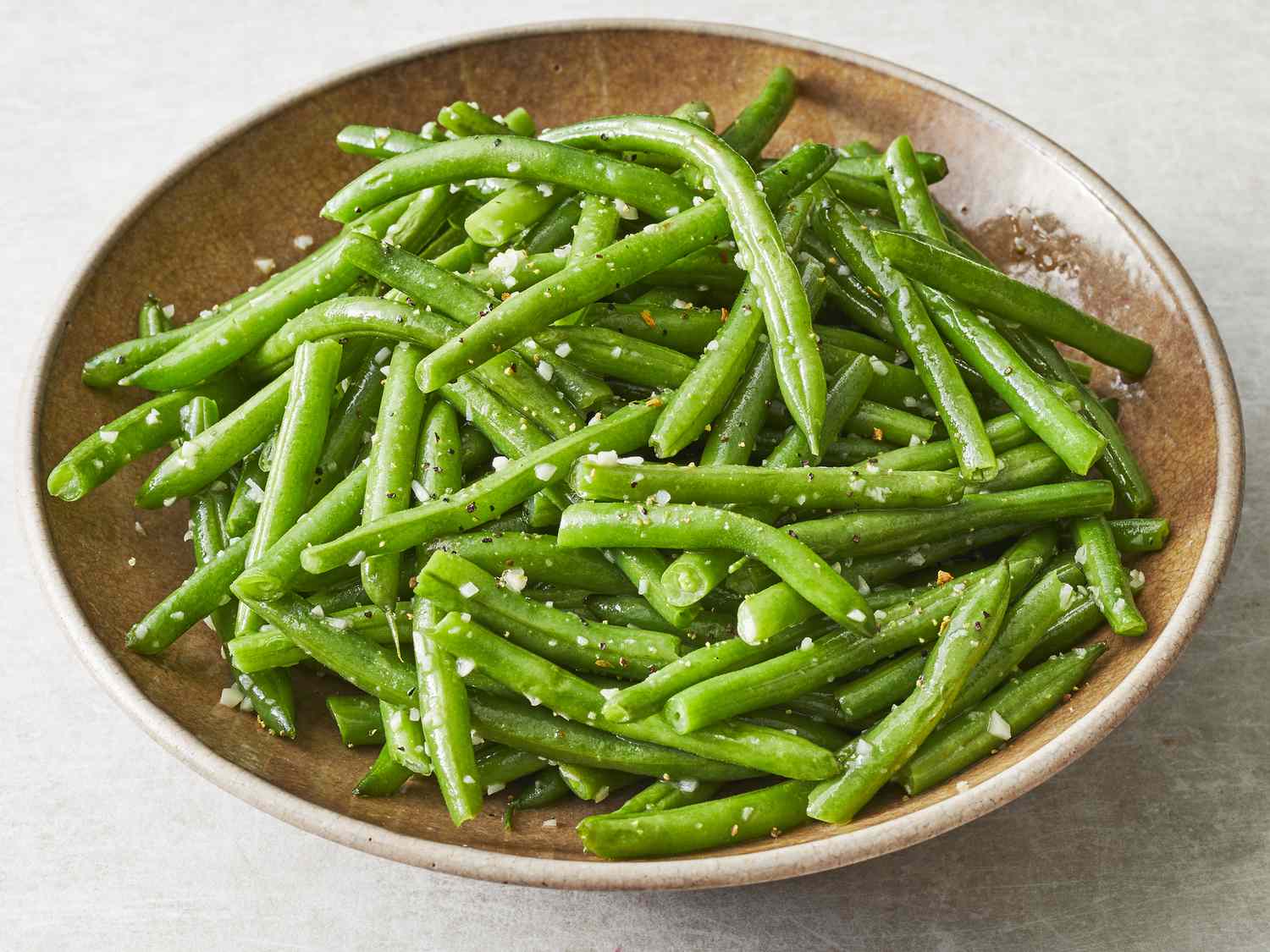
If you have completed at least 30 days of the AIP elimination phase and your symptoms have noticeably improved, you can begin testing green beans. Follow this structured approach:
Keep a food and symptom journal during reintroduction. Writing down what you eat, when you eat it, and exactly how you feel makes it much easier to spot patterns that you might otherwise miss.
Many AIP resources online give a flat "no" to green beans without explaining the nuance. This oversimplification can lead to unnecessary restriction and frustration. Here is what the latest research and updated AIP guidelines actually say:
The 2024-2026 updates to the Autoimmune Protocol now clearly distinguish between "Core AIP" and "Modified AIP." Under Modified AIP, beans and other legumes (excluding peanuts and soy) are actually allowed. Under Core AIP, green beans remain excluded during elimination but rank as a Stage 1 reintroduction food, meaning they are among the least risky foods to bring back.
Research published by Dr. Sarah Ballantyne in "The Paleo Approach" confirms that edible-podded legumes like green beans contain far fewer anti-nutrients than mature legumes. The phytate levels, lectin concentrations, and overall nutritional profile of green beans have much more in common with other vegetables than with dried beans.
The takeaway: green beans are not the enemy. They simply require a strategic, personalized approach, especially if you manage a condition like Hashimoto's, rheumatoid arthritis, lupus, or Crohn's disease.
Every autoimmune condition behaves differently, and every person's immune system responds to foods in its own way. Studies show that 34% of people diagnosed with one autoimmune disease develop at least one additional autoimmune condition. This overlap means that a food list designed for a single condition often misses the bigger picture.
Your blood test results, your current medication, your stress levels, your sleep quality, and even your geographic location all influence how your body processes specific foods. A question as simple as "can I eat green beans?" might have a completely different answer for someone with Hashimoto's compared to someone with ulcerative colitis.
Standard protocols provide a starting point, but they cannot replace a plan designed specifically for you. Working with a licensed physician who understands autoimmune nutrition helps you move beyond guesswork and make food decisions based on your actual health data.
Stop guessing and start healing with a plan that fits your body. At OnlineNutritionPlans.com, our board-certified doctors analyze your blood work, evaluate your autoimmune condition, and build a complete metabolic and lifestyle plan tailored to you. No generic templates. No cookie-cutter advice. Get your personalized autoimmune nutrition plan now.
Can you eat green beans during the AIP elimination phase?
No. Green beans classify as legumes, and the AIP elimination phase removes all legumes to give your gut time to heal. You can test green beans once you move into the reintroduction phase, typically after 30 to 90 days of strict elimination.
Are green beans considered a vegetable or a legume on AIP?
Botanically, green beans belong to the legume family (Fabaceae). However, unlike mature legumes such as kidney beans or lentils, you eat the immature pod rather than the dried seed. This distinction is why green beans appear in Stage 1 of AIP reintroduction, the earliest and lowest-risk category.
Do green beans contain lectins?
Yes, but in much smaller amounts than mature legumes. The lectins in green beans are also heat-unstable, meaning thorough cooking (steaming, boiling, or roasting) can effectively deactivate them. Raw green beans contain higher lectin levels, so always cook them before eating.
What can I eat instead of green beans on AIP?
Asparagus, zucchini, broccoli, celery, and Brussels sprouts all offer similar textures and nutritional value without the legume classification. These vegetables comply fully with both the elimination and reintroduction phases of AIP.
When can I reintroduce green beans on the AIP diet?
Green beans belong to Stage 1 of AIP reintroduction, which means you can test them as one of your first reintroduction foods. Start with a small portion of thoroughly cooked green beans, wait 72 hours, and monitor for any symptoms before adding them to your regular rotation.
Are snap peas and snow peas treated the same as green beans on AIP?
Yes. Snap peas, snow peas, and green beans all fall under the category of "legumes with edible pods." They share similar lectin profiles and all belong to Stage 1 reintroduction in the updated AIP guidelines.
Does my specific autoimmune condition affect whether I can tolerate green beans?
Absolutely. Your individual autoimmune condition, gut health, medication, and overall immune function all play a role in how you respond to specific foods. Someone with Hashimoto's may tolerate green beans without any issues, while someone with Crohn's disease might experience flare-ups. This is why working with a qualified professional who can evaluate your unique situation makes a significant difference.