Autoimmune Nutrition

AIP Diet Meal Plan: Your 4-Week Starter Template

15 min read · OnlineNutritionPlans Clinical Team · Autoimmune Protocol

Two people with the same autoimmune diagnosis can follow the exact same elimination protocol and still get different results. That gap is rarely about willpower; it usually comes down to baseline biomarkers, gut status, micronutrient stores, and how each body responds to specific food triggers. A blood-test-based AIP diet meal plan gives you a starting structure that respects this individual variation, rather than treating every reader like a copy of the next one. The next four weeks are where most people either see real shifts in inflammatory markers or hit the wall, so the question is not only what to eat, but how to read your body and your labs while you eat it.
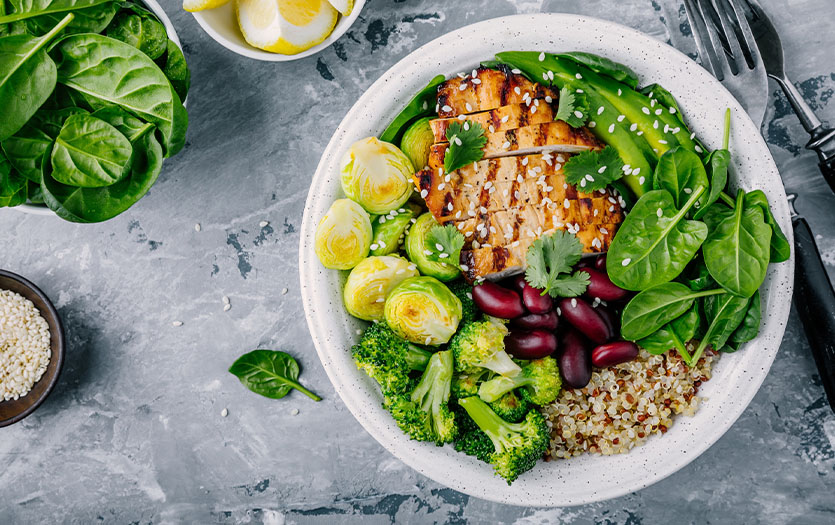
AIP Diet Meal Plan

What the AIP Diet Actually Targets

The Autoimmune Protocol (AIP) is a structured elimination diet built on top of a paleo framework. It removes foods that research links to intestinal permeability, immune activation, and non-specific inflammation. The aim is to calm the immune system long enough for symptoms and selected lab markers to drop, then bring foods back one at a time under observation.

Clinical work in conditions such as Hashimoto's thyroiditis, IBD, and rheumatoid arthritis suggests that a strict elimination phase of three to six weeks is enough for most responders to notice changes in symptom scores. Studies on AIP in IBD populations have reported clinical remission in a meaningful share of participants within six weeks, though sample sizes remain small. This four-week template is the on-ramp to that elimination phase, not the entire protocol.

Conditions Where AIP Is Most Often Used

  • Hashimoto's thyroiditis and Graves' disease
  • Celiac disease and non-celiac gluten sensitivity
  • Rheumatoid arthritis, lupus (SLE), psoriatic arthritis
  • Crohn's disease, ulcerative colitis, microscopic colitis
  • Psoriasis, eczema, alopecia areata
  • Multiple sclerosis (often combined with Wahls Protocol elements)
  • Fibromyalgia and chronic fatigue with autoimmune overlap
  • IBS, SIBO, and leaky gut syndrome where autoimmunity is suspected

Foods to Eliminate During the 4-Week AIP Starter Template

The elimination list is the spine of any AIP plan. Skipping even one category dilutes the signal you are trying to read. The goal is a clean four weeks so that your body, your symptoms, and your next round of labs can speak clearly.
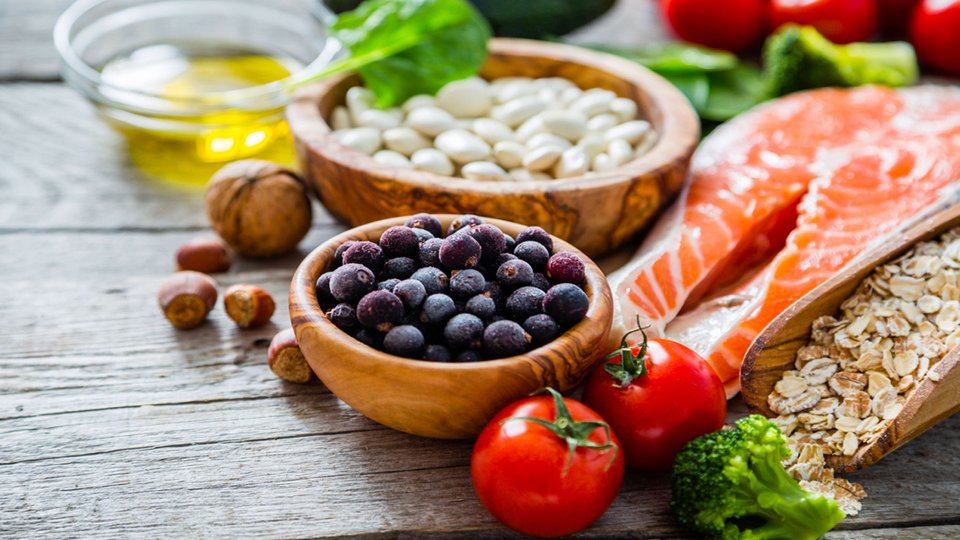
AIP Diet Plan - Foods to Eliminate

Food Groups to Remove

  • Grains and pseudo-grains: wheat, rye, oats, rice, corn, quinoa, buckwheat, amaranth
  • Legumes: beans, lentils, chickpeas, peanuts, soy, soy lecithin, soy oil
  • All dairy: milk, yogurt, cheese, butter, ghee (introduced later in stage 1 reintroduction)
  • Eggs: yolks and whites both removed during elimination
  • Nightshades: tomato, potato, bell pepper, chili, paprika, eggplant, goji berry, ashwagandha
  • Nuts and seeds: almonds, walnuts, cashews, sunflower, sesame, chia, flax
  • Refined and seed oils: canola, soy, sunflower, safflower, corn, grapeseed
  • Refined sugars and artificial sweeteners: aspartame, sucralose, saccharin, sugar alcohols
  • Alcohol and coffee (some plans allow small amounts of green tea)
  • NSAIDs when clinically possible, after talking to your doctor; they can worsen gut barrier issues
  • Food additives: emulsifiers (carrageenan, polysorbate 80), gums, MSG, nitrates

Foods to Build Meals Around

  • Wild-caught fatty fish: salmon, sardines, mackerel, anchovies, herring
  • Pasture-raised meats and poultry, and grass-fed organ meats once or twice a week
  • Bone broth and slow-cooked collagen-rich cuts
  • Non-nightshade vegetables in volume: leafy greens, cruciferous, root vegetables, squash
  • Fermented vegetables: sauerkraut, kimchi without nightshades, beet kvass, coconut yogurt
  • Low-glycemic fruit: berries, green apple, citrus, kiwi (1 to 2 servings per day)
  • Coconut products: coconut milk, oil, aminos, flour
  • Olives, avocado, extra virgin olive oil, avocado oil
  • Sea vegetables: nori, dulse, wakame (also useful for iodine in non-Hashimoto cases)
  • Herbs and non-seed-based spices: basil, oregano, rosemary, thyme, ginger, turmeric, garlic

Why a Standard AIP Template Is Not Enough

A generic template tells you to remove gluten, dairy, eggs, nightshades, nuts, seeds, and legumes for thirty days. It does not ask whether your ferritin sits at 22 ng/mL or 95 ng/mL, whether your 25-OH vitamin D is below 30 ng/mL, or whether your hs-CRP has been creeping up over the last year. Those answers change what your meals should look like, even within the same elimination framework.

Take two readers with Hashimoto's. Reader A has anti-TPO of 480, ferritin of 28, and 25-OH vitamin D at 19 ng/mL. Reader B has anti-TPO of 110, ferritin of 90, and vitamin D at 42 ng/mL. The first reader needs an iron-forward, cofactor-aware meal pattern with extra red meat, organ meats, and vitamin C alongside iron sources. The second reader does not need that aggressive iron load and may instead need to focus on selenium, zinc, and omega-3 density. Both can call what they eat AIP. Only one of those plans actually fits each reader.

On top of micronutrients, genetic differences shift the picture. People with MTHFR C677T variants metabolize folate less efficiently and often respond better to methylated folate sources. HLA-DQ2 or HLA-DQ8 carriers handle gluten reintroduction very differently than non-carriers. A standard meal plan cannot account for these variables. Lab-driven plans can.

Biomarkers to Track Before and During the 4-Week Plan

If you start AIP without baseline labs, you have no objective way to measure whether the work is paying off. Symptom diaries help, but biomarkers tell you what is happening at the tissue and immune level. The list below covers the markers most often used in autoimmune nutrition cases.

Markers Worth Pulling Before Day 1

Biomarker

Why It Matters

Functional Optimal Range

hs-CRP

Systemic inflammation level

Below 1.0 mg/L

ESR

Non-specific inflammation

Below 15 mm/hr (women), below 10 (men)

Anti-TPO

Hashimoto and Graves activity

Below 9 IU/mL ideally

Anti-TG

Thyroid autoimmunity

Below 4 IU/mL

TSH

Thyroid function

1.0 to 2.0 mIU/L

Free T3 / Free T4

Active thyroid hormone status

Free T3 in upper third of lab range

Ferritin

Iron stores, often low in autoimmune cases

70 to 100 ng/mL

25-OH Vitamin D

Immune modulation

50 to 70 ng/mL

Vitamin B12

Nerve and red cell health

Above 500 pg/mL

Homocysteine

Methylation status

Below 7 micromol/L

HbA1c

Glycation, often elevated in inflammation

Below 5.4 percent

Fasting insulin

Metabolic flexibility

Below 7 microIU/mL

Omega-3 index

Anti-inflammatory fat status

Above 8 percent

CBC, CMP

General health screen

Within standard reference

Most of these markers do not move dramatically in only four weeks, but baseline values matter. Antibody levels (anti-TPO, anti-TG) usually need 8 to 12 weeks of consistent dietary change before a meaningful trend appears. hs-CRP can shift earlier, often within three to six weeks in good responders. Plan a re-test around week 10 to 12 of the full protocol, not at week 4.

The 4-Week AIP Diet Meal Plan Starter Template

The structure below is intentionally repetitive. Repetition is one of the strongest tools in an elimination diet because it reduces decision fatigue, simplifies grocery shopping, and makes it easier to spot which foods drive symptoms when you start reintroductions. Adjust portions to your energy needs and activity level. If you have insulin resistance or PCOS overlap, pull back on starchy roots and fruit; if you are an active athlete or underweight, scale them up.
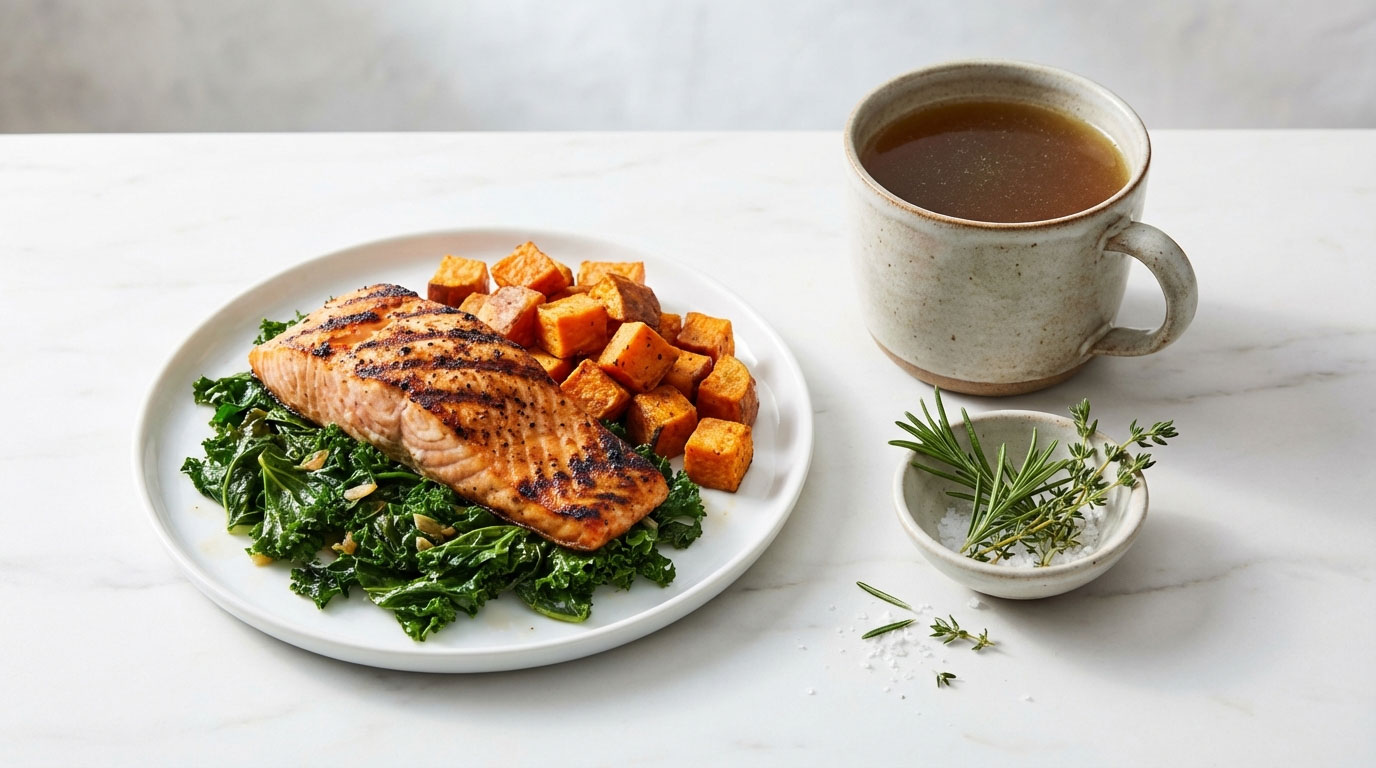
AIP Diet 4-Week Meal Plan Starter Template

Hydration target: 30 to 35 mL of water per kg of body weight per day, plus mineral support (sea salt in cooking, electrolytes during workouts) since AIP can be naturally lower in sodium than processed-food eating patterns.

Week 1: Removal and Reset

The goal is not perfection. The goal is to fully remove the elimination categories, calm digestive load, and increase nutrient density. Plan two cooking sessions of 60 to 90 minutes (for example, Sunday and Wednesday) so meals are mostly assembled rather than cooked from scratch each time.

Sample Daily Pattern, Week 1

  • Breakfast: Salmon with sautéed spinach, half an avocado, and ginger-lemon water
  • Mid-morning: Bone broth, 250 mL
  • Lunch: Slow-cooked beef shank with roasted carrots, zucchini, and fermented sauerkraut
  • Snack: Green apple slices with coconut butter
  • Dinner: Baked cod with mashed cauliflower, steamed broccoli, and olive oil
  • Optional: Coconut yogurt with blueberries

Symptoms during Week 1 can include mild fatigue, headache on days two and three, and shifts in stool pattern. This is most often a combination of carbohydrate adjustment and caffeine withdrawal, not a sign that the diet is failing.

Week 2: Stabilization and Gut Support

By Week 2, the worst of the withdrawal usually fades and energy patterns start to normalize. This is the moment to add gut-supportive foods more aggressively: bone broth daily, fermented vegetables in two meals, and one organ-meat-based meal (liver pâté, slow-cooked heart, or ground beef with hidden liver).

Sample Daily Pattern, Week 2

  • Breakfast: Sweet potato hash with ground turkey, sauerkraut, and parsley
  • Mid-morning: Bone broth with sea salt and turmeric
  • Lunch: Beef and liver burger patties (80 percent beef, 20 percent liver), roasted Brussels sprouts, avocado
  • Snack: Cucumber sticks with guacamole
  • Dinner: Sardines over arugula, fennel, and orange salad with olive oil and lemon
  • Optional: Carob and coconut milk warm drink before bed

Week 3: Deepening the Anti-Inflammatory Load

Week 3 is where many people start noticing meaningful symptom shifts: clearer mornings, less joint stiffness, fewer afternoon energy crashes, and in Hashimoto cases, sometimes a small drop in TSH variability between days. Use this week to push omega-3 density higher (oily fish at least four times) and add more polyphenol-rich vegetables and herbs (rosemary, thyme, oregano, ginger, turmeric).

Sample Daily Pattern, Week 3

  • Breakfast: Mackerel with mashed butternut squash, watercress, and olive oil
  • Mid-morning: Green smoothie: cucumber, spinach, green apple, ginger, lime, coconut water
  • Lunch: Lamb stew with parsnip, carrot, leek, garlic, rosemary
  • Snack: Olives and a few slices of cucumber with sea salt
  • Dinner: Wild salmon, asparagus, and roasted beetroot with sauerkraut
  • Optional: Stewed cinnamon apples with coconut cream

Week 4: Symptom Tracking and Pre-Reintroduction

Week 4 is preparation for what comes next. Most people are not ready to reintroduce foods at the end of week four because the standard elimination phase runs six to eight weeks at minimum. The purpose of this final starter week is to lock in routines, finalize a written symptom log, and decide on the order of reintroductions with a licensed clinician. Track sleep quality, mood, joint pain (0 to 10), digestion, energy, and any condition-specific symptoms each day.

Sample Daily Pattern, Week 4

  • Breakfast: Coconut yogurt parfait: blueberries, shredded coconut, collagen peptides, cinnamon
  • Mid-morning: Bone broth with leftover roasted vegetables
  • Lunch: Chicken thighs with kale, roasted carrots, garlic, and olive oil
  • Snack: Avocado mashed with lemon and dulse flakes
  • Dinner: Beef short ribs with cauliflower mash and roasted fennel
  • Optional: Herbal tea (chamomile, peppermint, or rooibos)

Generic AIP Plan vs Lab-Driven AIP Plan: A Side-by-Side Look

A printable AIP template is a starting frame. A lab-driven version, designed around your specific blood work and clinical picture, fills in the missing variables. The table below shows where these two approaches diverge in real practice.

Generic vs Lab-Driven AIP Diets

Element

Generic AIP Template

Lab-Driven AIP Plan

Starting point

Same protocol for everyone

Adjusted to baseline biomarkers, condition, medications

Iron strategy

General red meat advice

Iron-forward if ferritin is low; balanced if ferritin is high

Iodine handling

Sea vegetables encouraged broadly

Modulated based on Hashimoto status and TPO levels

Carbohydrate load

Generic moderate level

Adjusted to fasting insulin, HbA1c, activity, and cycle phase

Omega-3 dose

Eat fatty fish a few times per week

Targeted to omega-3 index and hs-CRP

Reintroductions

Standard order list

Ordered based on antibody trends and food sensitivity panel

Drug interactions

Generic warnings

Reviewed for levothyroxine, biologics, immunosuppressants

Follow-up

Self-monitored

Re-test biomarkers at 10 to 12 weeks, plan revised by clinician

If you have recent labs, share them and a registered dietitian and MD on the OnlineNutritionPlans team will design an AIP diet meal plan built around your blood work rather than a printable template.

Drug-Nutrient Interactions to Watch on AIP

Many people on AIP take medication for the same condition that drove them to the diet. Food can shift how those medications behave, and the change is not always small. Talk to your prescribing physician before adjusting timing or dose. The points below are educational, not medical advice.

  • Levothyroxine: take on an empty stomach, at least 30 to 60 minutes before food. Coffee, soy, calcium, and high-dose iron all reduce absorption. Bone broth in the morning can lower absorption if taken too close to the dose.
  • Biologics (adalimumab, infliximab, ustekinumab): no major direct food interaction, but inflammation control through diet may change how aggressively the medication suppresses symptoms; clinicians may want to monitor more closely.
  • Methotrexate: increased need for folate. AIP can be lower in folate if leafy greens are low; consider liver, asparagus, and avocado.
  • Prednisone: increases protein needs and depletes potassium, magnesium, and calcium. AIP supports protein well; mineral status should be tracked.
  • Proton pump inhibitors: reduce absorption of B12, magnesium, and iron. Lab tracking matters more than usual.
  • Metformin: can lower B12 over time. Beef, lamb, sardines, and shellfish help but levels should still be checked.
  • NSAIDs: associated with increased gut permeability. Discuss alternatives with your physician where possible.

Hidden Triggers Beyond Gluten and Dairy

Most AIP guides stop at the standard elimination categories. In real cases, individual triggers often hide in places that look harmless on a clean AIP plate. Knowing this in advance saves people from blaming the protocol when the real driver is something else entirely.

  • Histamine-rich foods: aged broths, leftover meats, fermented vegetables, sardines, spinach, avocado. People with mast cell activation overlap can react to these even on AIP.
  • Salicylates: berries, herbs, olive oil, coconut. A subset of patients reacts to these and needs a low-salicylate version of AIP.
  • Oxalates: spinach, sweet potato, beets. Relevant for people with kidney stones or chronic UTI history.
  • Lectins from approved foods: cassava, plantains, certain squash varieties.
  • FODMAP overlap: garlic, onion, cauliflower, mushrooms, apple. SIBO patients often need a low-FODMAP version of AIP for the first weeks.
  • Iodine load: kelp and dulse can flare anti-TPO in some Hashimoto cases. Iodine should be modulated case by case.
  • Cross-contamination: shared toaster, bulk bins, sauces, restaurant fryers.

Realistic Timeline: When Symptoms and Labs Actually Move

Symptom and biomarker changes follow different timelines. Setting expectations correctly at the start prevents people from quitting just before the most important shifts begin.

  • Days 1 to 7: caffeine and sugar withdrawal symptoms common; mild headaches and irritability possible.
  • Days 7 to 14: digestive symptoms often improve first (bloating, irregular stools, reflux).
  • Days 14 to 21: sleep quality, morning energy, and skin clarity often shift in good responders.
  • Days 21 to 30: joint pain scores often drop; mood and anxiety markers improve in subsets.
  • Weeks 6 to 12: hs-CRP and ESR usually start to trend down measurably.
  • Weeks 10 to 16: anti-TPO and anti-TG often start showing measurable change in Hashimoto cases who respond.
  • Beyond week 16: re-testing and clinician-led plan revision matter more than further restriction.

Reintroduction: Why Most People Get This Stage Wrong

Reintroduction is the most under-explained stage of AIP and the place where many people undo their own results. The aim is to identify safe foods and clear triggers, not to return to pre-AIP eating. Reintroducing several foods in the same week makes it impossible to map cause and effect.
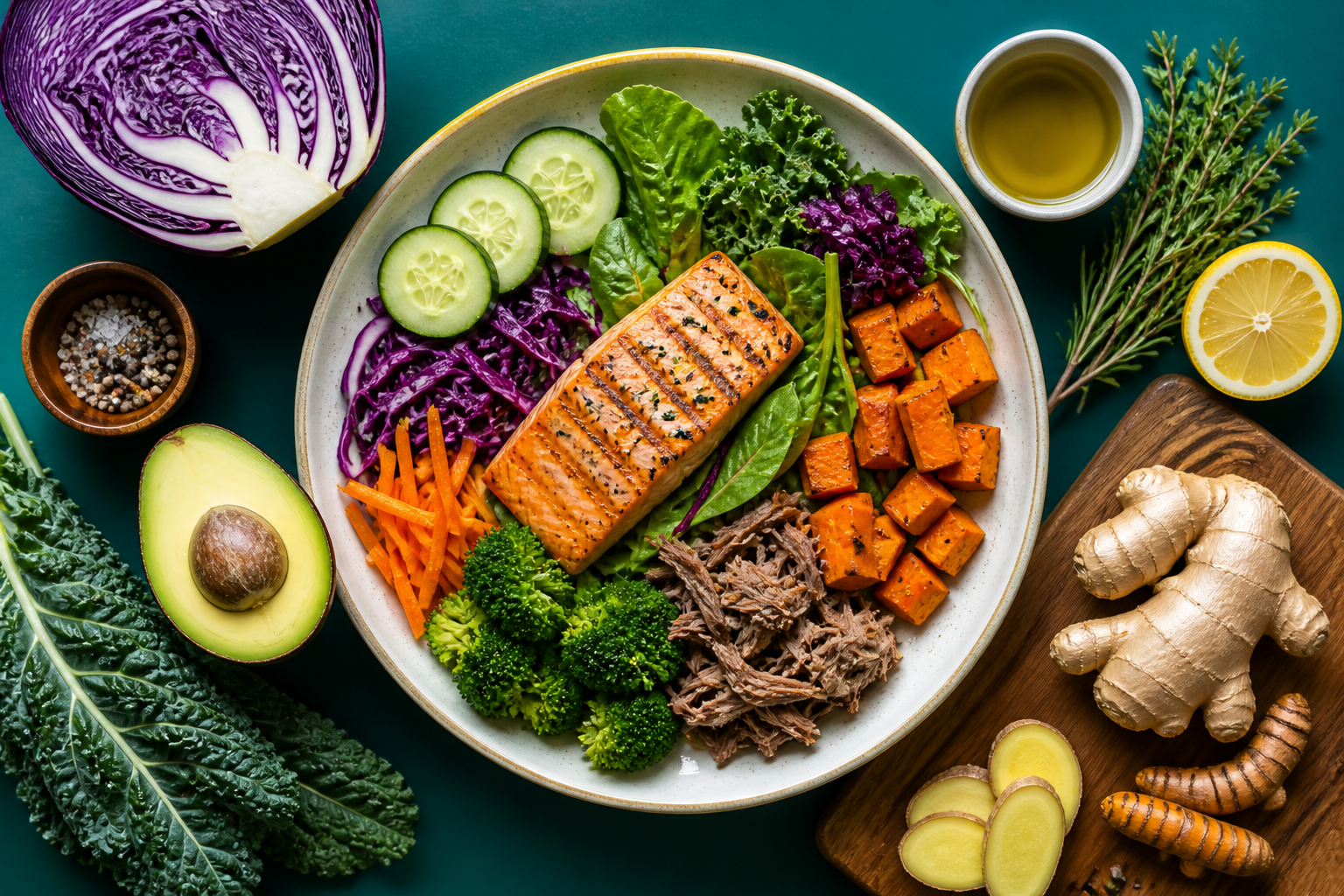
AIP Diet Reintroduction Phase

Standard Reintroduction Order

  • Stage 1: egg yolks, ghee from grass-fed butter, seed-based spices, fruit-based seeds
  • Stage 2: seeds and seed butters, egg whites, grass-fed butter, occasional coffee
  • Stage 3: nuts and nut butters, alcohol in small amounts, lentils and split peas
  • Stage 4: nightshades, white rice, full dairy, gluten-free grains

Each item is reintroduced on its own. Eat a small portion in the morning, watch for 24 hours, then a normal portion the next day, then watch for 72 hours. Track joint pain, digestion, sleep, skin, mood, and any condition-specific symptom. If anything flares, the food goes back on the remove list for at least eight weeks before another attempt.

What You Get With OnlineNutritionPlans

Generic templates do not read your labs and do not adjust around your medications. The OnlineNutritionPlans approach is built around the parts of an AIP plan that templates cannot cover.

  • Plans designed around your blood work, your medication list, and your specific condition.
  • Built by a team of registered dietitians (RD/CNS) and MDs with autoimmune nutrition experience.
  • Clinical interpretation of lab values, not a printable list of normal ranges.
  • Reintroduction protocol matched to antibody trends and food sensitivity panels.
  • Micronutrient gap analysis with food-first recommendations and supplement suggestions when warranted.
  • Drug-nutrient screening for thyroid medication, biologics, immunosuppressants, and common autoimmune drugs.
  • Online process: no waitlist, no clinic visit, accessible from anywhere.
  • Transparent flat fee with no hidden costs and no upsells.
  • Plan delivery within 1 to 2 business days after lab submission, with revision support afterward.
  • Cultural, work-schedule, and budget realities are written into the plan, not added as an afterthought.

If a 4-week template feels like the wrong starting point for your case, share your blood work and our clinical team will build an individualized AIP diet meal plan matched to your biomarkers, your medications, and your daily life.

Frequently Asked Questions

Can I follow an AIP diet meal plan without doing blood tests first?
Yes, you can start a 4-week elimination using a generic template, and many people do. Without labs, though, you have no objective baseline to measure progress and no way to detect deficiencies that can quietly worsen on a restricted diet (especially iron, B12, vitamin D, and selenium). A blood-test-based plan removes that blind spot.
How long does it take for AIP to lower TPO antibodies in Hashimoto's?
In responders, anti-TPO often starts trending down between weeks 10 and 16 of consistent strict AIP, not in the first month. Some people see drops of 30 to 50 percent over six months; others need a longer protocol or additional support. Re-testing earlier than week 10 usually does not give a clear signal.
Is AIP safe long term?
Strict AIP is designed as an elimination phase, not a permanent way of eating. Staying in the removal phase for many months without reintroduction can lead to a more limited diet than is needed, plus possible deficiencies. The goal is to find your individual safe food list and rebuild as wide a diet as your body tolerates.
How is the AIP protocol different from paleo or low-FODMAP?
Paleo removes grains, legumes, dairy, and refined foods but allows eggs, nuts, seeds, and nightshades. Low-FODMAP targets specific fermentable carbohydrates for IBS-type symptoms. AIP is stricter than paleo and is built specifically around immune calming, with reintroduction baked into the protocol. Some patients run AIP and low-FODMAP together when SIBO overlaps.
How quickly can OnlineNutritionPlans deliver an individualized plan?
After you submit your blood work and a short clinical questionnaire, plan delivery typically takes 1 to 2 business days. Complex cases (multiple conditions, recent medication changes, additional labs) may take slightly longer because the clinical team reviews each case manually.
Do I need to take supplements while on AIP?
Sometimes yes, sometimes no, and the answer depends on your labs. People with low ferritin, low vitamin D, low B12, or low selenium often benefit from short-term, dose-specific supplementation. Blanket supplement stacks are rarely the right approach. Your clinician should make the call based on your numbers.
Can I do AIP if I am vegetarian or pescatarian?
Strict AIP is difficult on a vegetarian framework because legumes, eggs, nuts, and seeds are removed during elimination. Pescatarian AIP is workable and can lean heavily on wild-caught fatty fish, sea vegetables, and a wide range of approved vegetables and fruits. A clinician should review the case to make sure protein and iron targets are met.
What happens after the 4 weeks if I still have symptoms?
Continuing the elimination phase for another two to four weeks is reasonable for many people, especially in autoimmune cases where immune calming is gradual. If symptoms have not moved at all by week 8 with strict adherence, the plan likely needs adjustment, often around histamines, FODMAPs, oxalates, or stealth infections that diet alone cannot address.

Final Notes Before You Start

A four-week starter template is a structure. Real recovery from autoimmune symptoms usually asks for more: lab data, a clinician who can read those labs in context, a clear reintroduction plan, and a willingness to adjust as the body responds. Use the structure above as a way to begin, not as a final answer. The cleaner the four weeks, the more useful your next conversation with a registered dietitian or MD becomes.

Disclaimer

This article is informational and is not medical advice. Decisions about treatment, medication, and dietary change in autoimmune conditions require the involvement of your own physician and licensed health professionals. A blood-test-based plan is most useful when your medical history, current medications, and laboratory results are reviewed together by a qualified clinician.