Two people with the same autoimmune diagnosis often need different nutrition strategies, and choosing between the AIP diet and the Paleo diet rarely comes down to a simple ranking. The right protocol depends on your antibody levels, micronutrient status, gut barrier integrity, and how your inflammation markers behave under stress. A diet that calms hs-CRP and anti-TPO antibodies in one person may leave another stuck with stubborn fatigue and elevated ESR for months. This guide breaks down the real mechanistic and clinical differences between AIP and Paleo, when each makes sense, and how blood work shifts the answer in ways most generic articles never mention.

Both diets remove processed foods, refined sugars, grains, legumes, and most dairy. The split happens at the level of immune-reactive foods. The Paleo diet allows nuts, seeds, eggs, nightshades, and certain dairy variants. The Autoimmune Protocol takes a stricter elimination approach during its initial phase, removing those same foods because they can drive inflammation in people with autoimmune conditions.
AIP stands for Autoimmune Protocol. It is a structured elimination diet developed for people with conditions like Hashimoto's thyroiditis, rheumatoid arthritis, lupus, psoriasis, Crohn's disease, and ulcerative colitis. AIP runs in three phases: elimination, reintroduction, and maintenance.
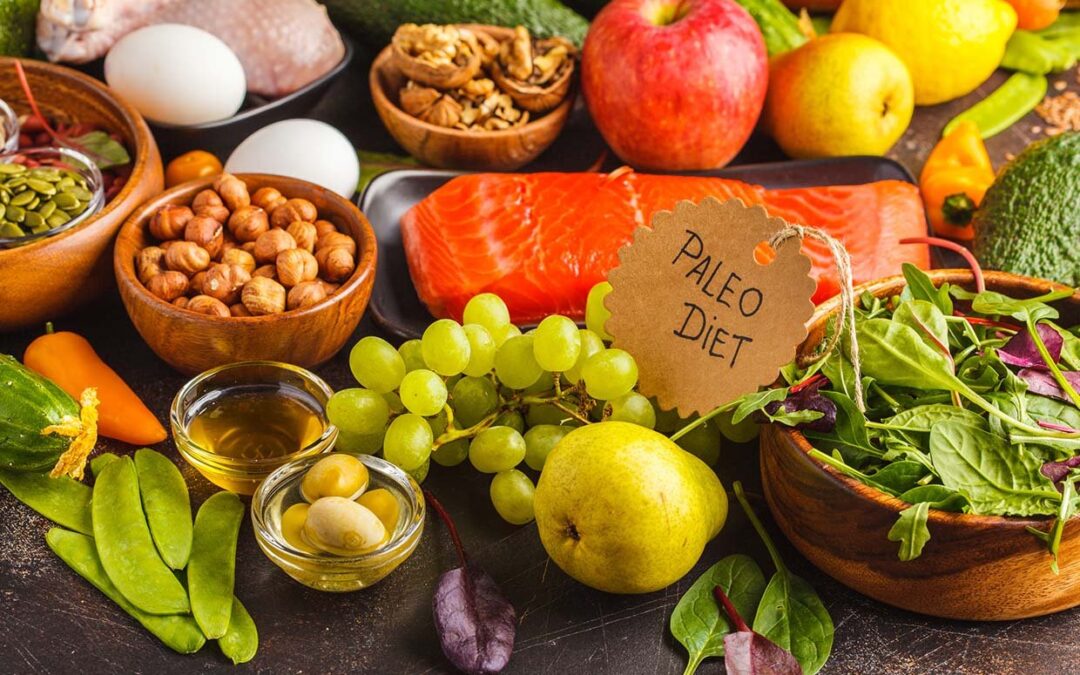
Paleo reflects an ancestral eating framework. It permits a wider range of whole foods including nuts, seeds, eggs, and nightshade vegetables like tomatoes and peppers. Paleo aims at metabolic health, blood sugar stability, and reducing processed food intake, but it is not designed around autoimmune flare control.
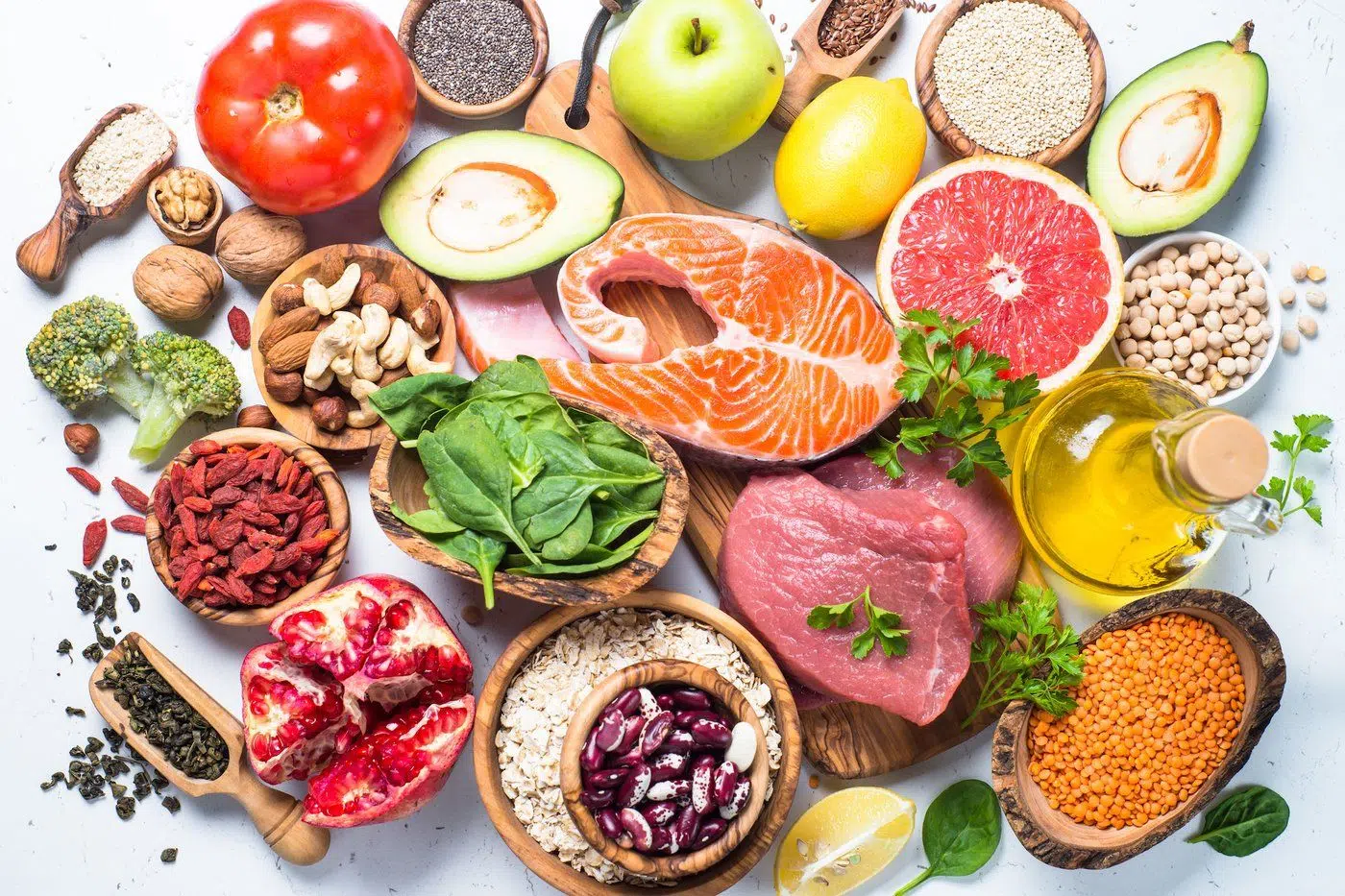
The table below shows where the two diets overlap and where they diverge. Pay close attention to the foods AIP excludes that Paleo allows, because that is the line where most autoimmune patients see the biggest symptom shift.
Food Group |
AIP Diet |
Paleo Diet |
|---|---|---|
Grains and gluten |
Excluded |
Excluded |
Legumes (beans, lentils, peanuts) |
Excluded |
Excluded |
Conventional dairy |
Excluded |
Mostly excluded; some allow ghee |
Eggs |
Excluded in elimination phase |
Allowed |
Nuts and seeds |
Excluded in elimination phase |
Allowed |
Nightshades (tomato, pepper, eggplant, white potato) |
Excluded in elimination phase |
Allowed |
Coffee |
Excluded in elimination phase |
Allowed |
Alcohol |
Excluded |
Limited |
Refined sugar and seed oils |
Excluded |
Excluded |
Grass-fed meat, wild fish, organ meats |
Encouraged |
Encouraged |
Bone broth and fermented vegetables |
Strongly emphasized |
Allowed but not emphasized |
AIP and Paleo are not just different food lists. They target different physiological problems. Paleo focuses on metabolic health and blood sugar regulation. AIP targets intestinal permeability, molecular mimicry, and the immune-driven inflammation behind autoimmune disease.
Foods that AIP excludes but Paleo allows, like eggs, nuts, seeds, and nightshades, contain compounds that can interact with a compromised gut barrier. Egg whites contain lysozyme, which can shuttle other proteins across an inflamed intestinal lining. Nightshades contain alkaloids such as solanine and capsaicin that may aggravate intestinal permeability in people with autoimmune disease. Nuts and seeds contain lectins and phytates that act as antinutrients in some individuals. None of this is a problem for someone with a healthy gut. For someone with active autoimmune disease, it can be the difference between calm labs and a flare.
Clinical research on AIP for inflammatory bowel disease and Hashimoto's has shown meaningful improvements in symptom scores, quality of life measures, and in some cases inflammatory markers within six to twelve weeks. Studies on standard Paleo show benefits in lipid profiles, fasting insulin, and waist circumference but have not been designed to track autoimmune-specific outcomes like anti-TPO, anti-TG, or fecal calprotectin.
A diet protocol on its own is a starting point. What turns it into a working plan are the lab values that tell you what is actually happening in your body. Two people walking into the same clinic with Hashimoto's can have radically different needs once their blood work lands on the table.
Consider two anonymized cases handled in clinical practice. Case A is a woman with anti-TPO at 480 IU/mL, ferritin at 22 ng/mL, vitamin D (25-OH) at 18 ng/mL, and hs-CRP at 3.4 mg/L. Case B has the same Hashimoto diagnosis but anti-TPO at 95 IU/mL, ferritin at 78 ng/mL, vitamin D at 42 ng/mL, and hs-CRP at 0.9 mg/L. Case A needs strict AIP elimination, iron-dense foods, vitamin D3 with K2 (MK-7), and selenium-rich choices like Brazil nuts after the elimination phase ends. Case B may do well on a modified Paleo with selenium support and stress management as the primary lever.
If you do not have access to a full lab panel yet, your symptom pattern can offer a starting clue. This is not a diagnostic tool, but it can guide which protocol is more likely to deliver results in the first six to eight weeks.
AIP is not meant to be permanent. The elimination phase typically lasts 30 to 90 days based on individual response. Reintroduction is where the diet stops being a restriction tool and becomes a diagnostic tool. The mistake most people make is reintroducing too many foods at once, then failing to connect a flare to a specific trigger.

A structured reintroduction follows a clear order from least immune-reactive to most reactive. Each food is tested over three to seven days while tracking symptoms, sleep quality, joint stiffness, energy, digestion, and skin. When labs are repeated four to six weeks into the maintenance phase, anti-TPO, hs-CRP, and ferritin can all reveal whether a reintroduced food belongs in your long-term plan.
The default AIP protocol assumes the same starting point for everyone: full elimination, broad reintroduction, and a maintenance phase shaped by symptom feedback. That works for some. For others, especially those with multiple coexisting issues like Hashimoto plus IBS plus low ferritin, the standard protocol misses the specific levers that move their numbers.
An individualized plan starts with a full lab panel and works backward. If anti-TPO is high and selenium status is low, selenium-rich foods like Brazil nuts may need to enter earlier in the reintroduction. If MTHFR variants are present, methylated B vitamins matter more than generic B-complex options. If ferritin sits below 30 ng/mL, iron-dense foods or supplementation move to the front of the protocol since low ferritin blunts the conversion of T4 to active T3 and undermines thyroid recovery regardless of how clean the diet looks on paper.
A traditional dietitian visit in the United States typically costs 150 to 300 USD per session, with multiple sessions needed for follow-up and plan adjustment. Insurance coverage varies widely and many functional medicine consultations fall outside standard plans. An online, blood test based plan removes the geographic barrier, eliminates wait lists, and delivers a written protocol within 1 to 2 business days after lab results arrive.
Share your blood test results to receive a plan built around your actual biomarkers rather than a generic protocol.
Medication is often the missing variable in a diet plan. The same food list can produce different results depending on what someone takes alongside it. A few interactions deserve attention before either AIP or Paleo gets implemented.
Discussion with your prescribing physician is essential before changing diet, supplements, or medication timing. Diet changes do not replace medical treatment in autoimmune disease management.
Expectations matter. AIP rarely produces dramatic changes in the first two weeks. Most clinical observations and patient-reported outcomes describe a clearer pattern over a longer arc.
Individual results vary based on disease severity, duration of illness, medication regimen, sleep, and stress load. Some people see rapid changes; others need patience and protocol adjustment after the first lab recheck.
Both diets emphasize quality protein, organ meats, fatty fish, and a wide range of vegetables. Grocery costs typically rise 20 to 40 percent above a standard processed food diet. Functional medicine consultations and lab panels add another layer. A full blood panel that includes thyroid antibodies, inflammatory markers, vitamin D, ferritin, and B12 typically runs 200 to 500 USD without insurance in the United States.
A blood test based online plan often reduces total cost by combining lab interpretation, plan design, and follow-up into a single fee instead of charging per session. The trade-off is that you are responsible for getting your own labs drawn through a primary care physician or direct-to-consumer lab service.
Most introductory autoimmune diet articles stop at gluten and dairy. The reality is more complicated. Common less-discussed triggers include the following.
OnlineNutritionPlans takes a blood test based approach to autoimmune nutrition. Rather than handing out a standard AIP or Paleo template, the team interprets your full lab panel in clinical context and designs a plan matched to your case.
Work with licensed dietitians to build an individualized protocol designed around your specific blood work rather than a standard template.
This article is for informational purposes only and does not constitute medical advice. Decisions about autoimmune disease management, medication, supplements, and nutrition should be made with your physician and licensed health professionals. A blood test based plan becomes meaningful only when your medical history, current medications, and lab findings are reviewed together by a qualified provider.