An autoimmune plant based diet centers your meals on whole, fiber-rich plant foods so the immune system stops getting fuel for chronic inflammation. Roughly 24 million Americans live with at least one autoimmune condition, according to NIH estimates, and women carry close to 78% of that burden. The pattern keeps showing up across rheumatoid arthritis, lupus, Hashimoto’s, multiple sclerosis, and inflammatory bowel disease research because the same gut and inflammation pathways drive most of these illnesses.
Most articles on this topic dump 3,000 words of biochemistry on you and call it a guide. This one does something different. We map exactly which plant foods calm autoimmune activity, which ones often trigger flares despite looking healthy, how to switch over without crashing your protein and B12, and where a generic protocol falls apart for real patients with real bloodwork.
One important note before we dive in: a plant based diet for autoimmune disease is not one-size-fits-all. Two people with the same diagnosis can react oppositely to lentils, quinoa, or raw kale. The reliable wins come from a plan built around your blood markers, your sensitivities, your medication interactions, and your lifestyle.
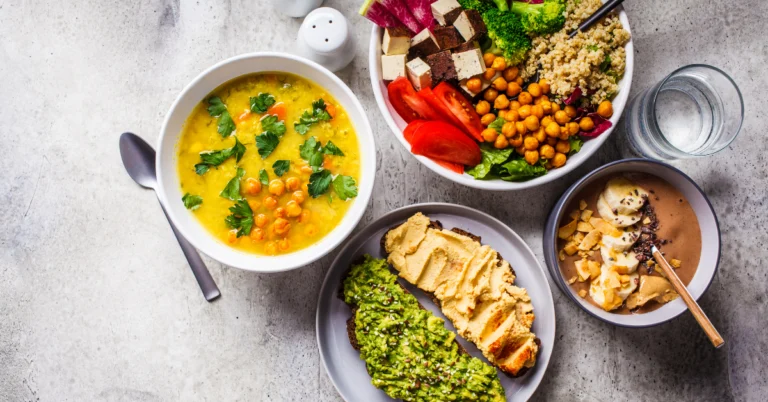
Your immune system attacks healthy tissue when it stays in a chronic inflammatory state. Three plant-driven mechanisms shift that state toward calm, and every credible study on this topic points back to them.
Roughly 70% of immune cells live in the gut wall, so the microbes you feed shape how aggressive your immune response becomes. Plant fiber feeds bacteria that produce short-chain fatty acids, especially butyrate, which strengthens the gut barrier and lowers inflammatory cytokines. Animal-heavy, fiber-poor diets do the opposite. They thin the protective mucus layer and let bacterial fragments leak into circulation, where the immune system flags them and stays activated.
Berries, leafy greens, cruciferous vegetables, herbs, and green tea contain flavonoids and polyphenols that neutralize the free radicals driving tissue damage in lupus, MS, and rheumatoid arthritis. A 2022 Lupus journal study of 420 SLE patients found that those who shifted toward more plants and fewer processed foods reported clear symptom improvements. The mechanism is not magic. It is sustained, daily delivery of compounds that downregulate inflammatory signaling.
Saturated fat from red meat and full-fat dairy stimulates the same inflammatory pathways that autoimmune flares run on. Heme iron from animal sources also generates oxidative stress in tissues already under attack. Replacing those calories with legumes, whole grains, nuts, and seeds removes a constant inflammatory input. The McDougall trial showed RA patients on a very low-fat vegan diet had significant joint pain and stiffness reduction in just four weeks.
Track your high-sensitivity C-reactive protein (hs-CRP) before you start and again at 8 to 12 weeks. This single blood marker tells you whether the diet is actually lowering systemic inflammation or whether something in your meal plan still triggers you. Numbers do not lie when symptoms fluctuate.
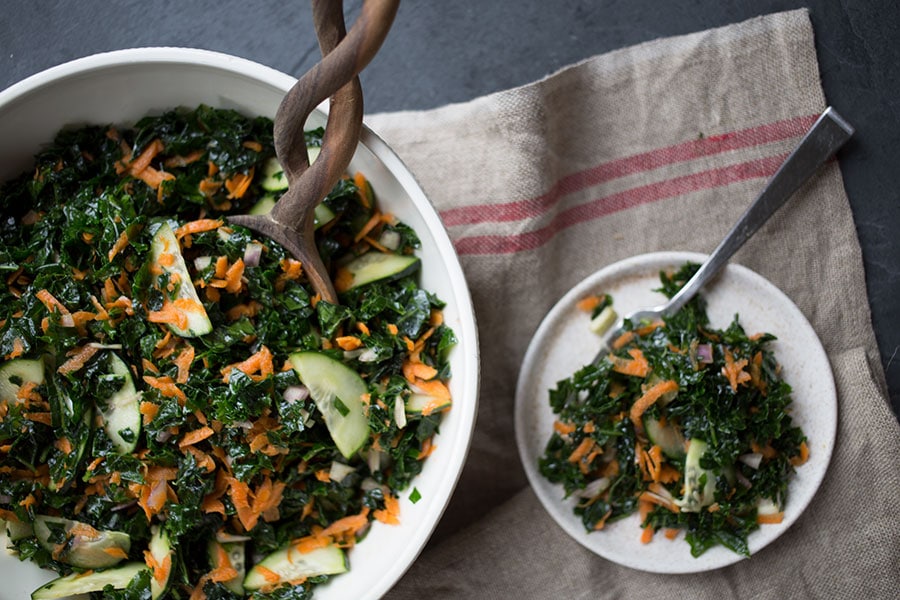
Build every plate around four food groups, and the rest of the diet falls into place. Variety matters more than perfection, since each plant family delivers a different polyphenol profile.
Aim for two large servings daily. These deliver sulforaphane and quercetin, which research links to reduced autoantibody activity.
Half a cup of cooked lentils gives you about 9 grams of protein plus 8 grams of fiber. That fiber-protein ratio is impossible to match with animal sources.
The omega-3 to omega-6 ratio matters more than total intake. Most people eating standard Western diets sit around 1:15. Bringing it closer to 1:4 reliably lowers inflammatory markers in autoimmune patients.
Your blood test reveals what generic lists miss: Two patients with rheumatoid arthritis can have completely different reactions to lentils, quinoa, or nightshades. At OnlineNutritionPlans, our licensed physicians design your plant based autoimmune protocol around your bloodwork, food sensitivity panels, current medications, and lifestyle. Get a personalized autoimmune plant based plan →
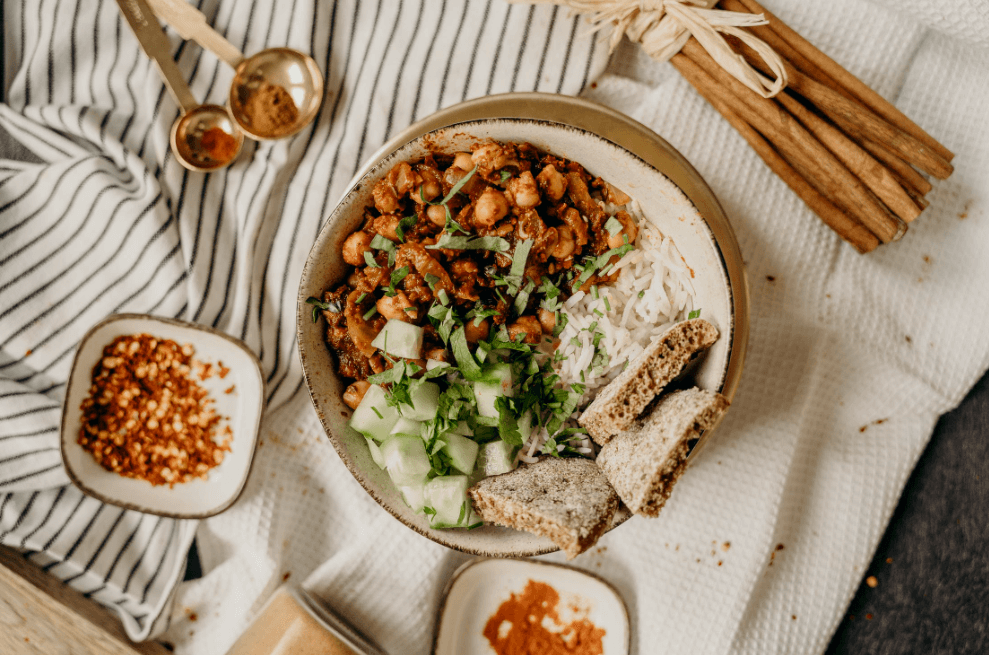
Removing inflammatory foods often delivers faster results than adding healthy ones. Strip these out first, then watch which plant foods still cause problems for your specific immune profile.
Plant based does not automatically mean autoimmune-friendly. The following foods contain compounds that aggravate symptoms in a meaningful subset of patients, and you only find your triggers by testing them carefully.
Run a 30-day strict elimination of gluten, nightshades, and unfermented soy. Then reintroduce one food group every 4 days, recording joint pain, fatigue, gut symptoms, and sleep on a 1-10 scale. This catches triggers no blood test can predict.
The Autoimmune Protocol (AIP) and a whole-food plant based approach often look like opposites. AIP allows meat and removes legumes, grains, nuts, and seeds. The plant based approach centers on those exact foods. Both can work, and people argue about which is better online every day. The real answer depends on your gut barrier, your bloodwork, and your protein metabolism.
AIP tends to deliver fast symptom relief because it removes the most common food triggers all at once. The downside is restrictiveness, which makes long-term adherence hard, and a heavy reliance on animal protein, which keeps saturated fat and heme iron high. A plant based diet plays a longer game. It rebuilds the microbiome with fiber and polyphenols, which most autoimmune patients have severely damaged, and it removes inflammatory animal-derived compounds at the same time.
A growing number of clinicians use a hybrid approach. They start with a short AIP-style elimination to identify triggers, then transition to a mostly or fully plant based diet for long-term gut healing and anti-inflammatory benefit. This is exactly the kind of decision that needs personalization, since some people need the AIP reset and some thrive going plant-forward from day one.
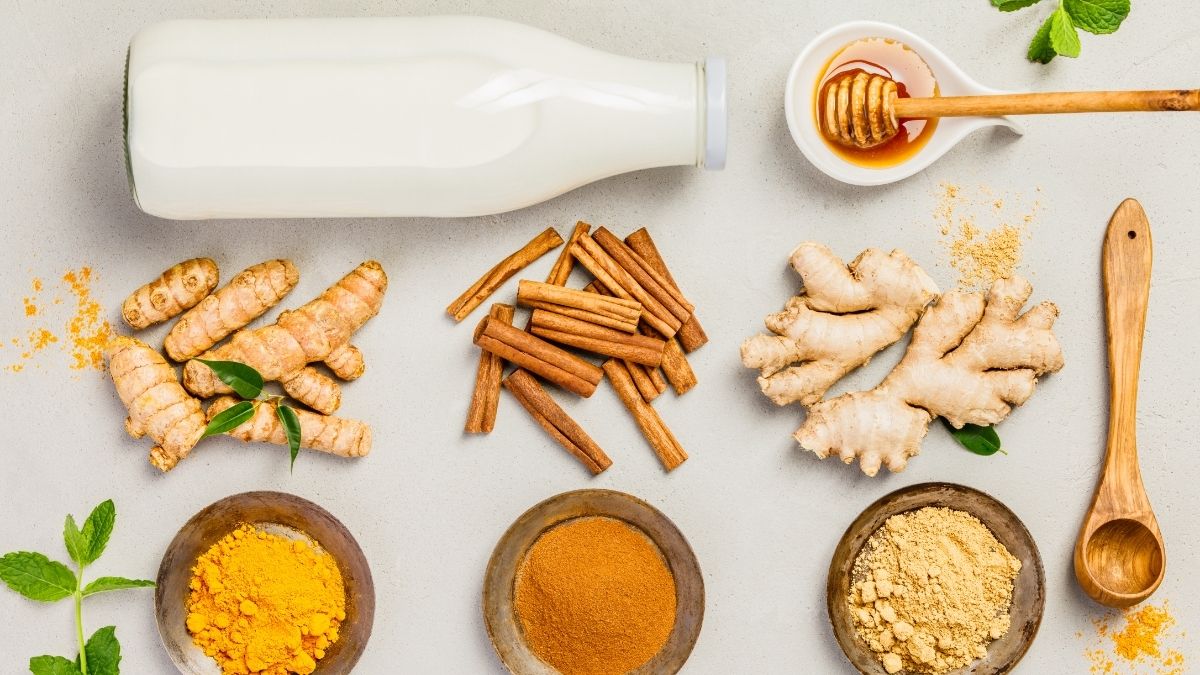
Most people who try this diet quit in week three. The reason is rarely lack of willpower. It is usually a poorly designed transition that crashes their energy, leaves them protein-deficient, or floods a damaged gut with too much raw fiber at once. The plan below avoids all three problems.
Add three plant-forward meals per week without removing anything. Build them around lentils, quinoa, leafy greens, and roasted vegetables. Your goal here is to get comfortable cooking new ingredients, not to overhaul your kitchen.
Cut sugar, industrial seed oils, alcohol, and ultra-processed foods. These deliver the largest inflammatory load relative to their volume in the diet. Symptom relief here often comes within 10 to 14 days.
Move to plant based meals about 80% of the time. Add a B12 supplement of 1000 mcg weekly, ground flax daily, and a vitamin D test if you have not had one this year. Track CRP, ferritin, and vitamin D at week 8 to confirm you are getting what you need.
Now you personalize. If joint symptoms persist, run a nightshade elimination. If gut symptoms persist, consider lower-FODMAP plant foods for 4 weeks. If fatigue persists, recheck B12, ferritin, and zinc. This is where most generic guides leave you stranded, and where a clinical plan pays for itself.
A 2017 study of inflammatory bowel disease patients showed 73% achieved clinical remission on the AIP elimination protocol. Comparable plant-based interventions in RA patients show 4-week joint pain reductions of 40 to 60% in adherent participants. Diet works. The variable is matching the right version to the right person.
Stop guessing which plant foods help and which ones flare you. OnlineNutritionPlans pairs you with a licensed doctor who builds your autoimmune plant based plan from your blood markers, autoantibody panels, gut symptoms, and current medications. Start your personalized clinical plan →
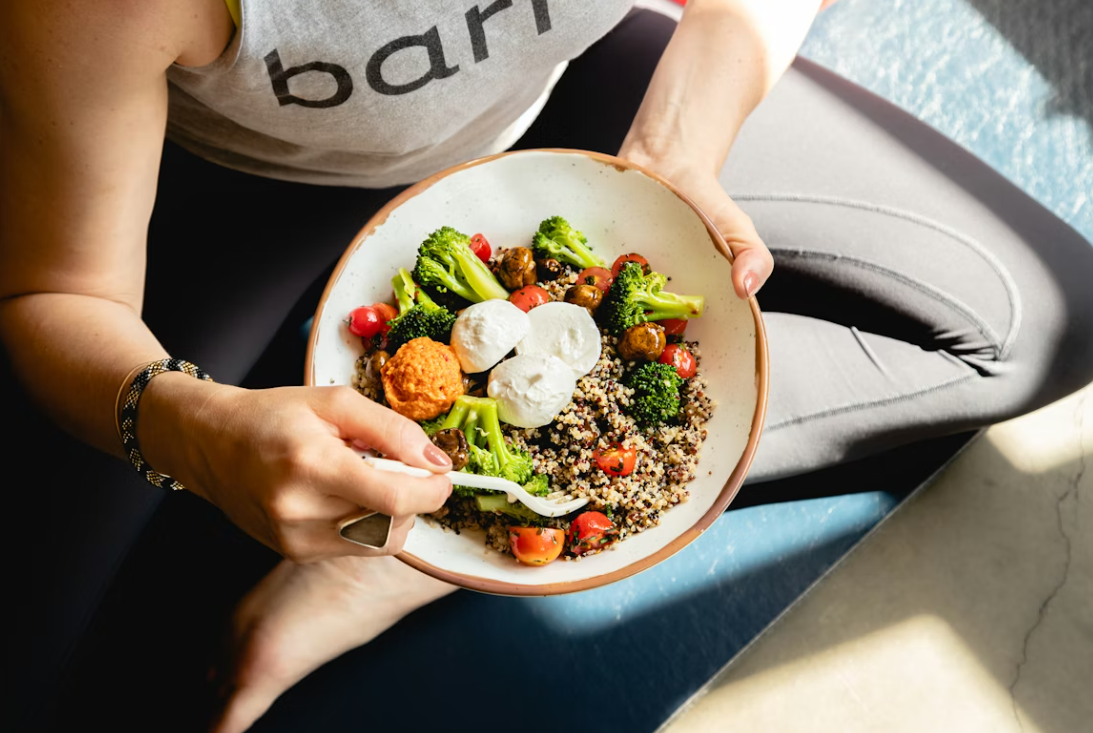
The case literature on this topic is more compelling than most people realize. A 2024 Frontiers in Nutrition case series followed three women with systemic lupus erythematosus and Sjögren’s syndrome who adopted a raw, whole-food plant based protocol. All three reported near-complete symptom resolution within four weeks, and two remained symptom-free for more than six years without medication.
A 2002 McDougall trial put 24 rheumatoid arthritis patients on a very low-fat vegan diet for four weeks. They saw significant reductions in joint pain, stiffness, and swelling. A separate Adventist Health Study cohort of 65,981 participants found vegans had a lower incidence of Graves’ disease than omnivores even after controlling for BMI. These are not fringe findings. They are consistent enough that the American College of Lifestyle Medicine now lists whole-food plant based eating as a viable component of autoimmune treatment plans.
What none of these studies tell you is which version of the diet works for you. The Goldner protocol that reversed lupus in published cases was extremely specific. It featured 454 grams of leafy and cruciferous greens, omega-3-rich seeds, and 3.8 liters of water daily, mostly delivered as green smoothies. Generic plant based recommendations look nothing like that. Your protocol should match your condition with the same precision.
An autoimmune plant based diet is one of the most evidence-supported nutrition strategies for calming a hyperactive immune system. The plant compounds, fiber, and gut microbiome shifts directly target the inflammation pathways that drive these conditions. The catch is that no two autoimmune patients respond identically, and the gap between a generic plant based diet and a clinically personalized one is usually the gap between mild improvement and meaningful symptom relief.
Your bloodwork, your sensitivities, your medications, and your lifestyle should drive your protocol, not a list someone published online. That is what we build at OnlineNutritionPlans. Licensed physicians design your plan around your specific case, so the food on your plate is actually the food your body needs.