Parents of children with autoimmune conditions often hear the same advice: remove the inflammatory foods, calm the immune system, heal the gut. The Autoimmune Protocol diet promises exactly that, yet most AIP guides target adults with rigid 30-day eliminations. Children grow, change moods at lunchtime, and refuse foods on color alone, so the standard adult version of the AIP diet for kids rarely fits real family life.
This guide takes a different angle. It walks through how families adapt AIP for children without turning mealtimes into battles, what the science says about restrictive diets in pediatric autoimmune care, and where personalization makes the protocol safe instead of risky. The goal stays simple. Kids deserve a plan that protects growth, respects their preferences, and still moves the autoimmune needle.
Key Takeaways: A modified AIP works better than the strict adult version for most children. Family-style meals beat "special diet food" for compliance. Lab-guided personalization protects growth, prevents nutrient gaps, and identifies which foods actually trigger your child.
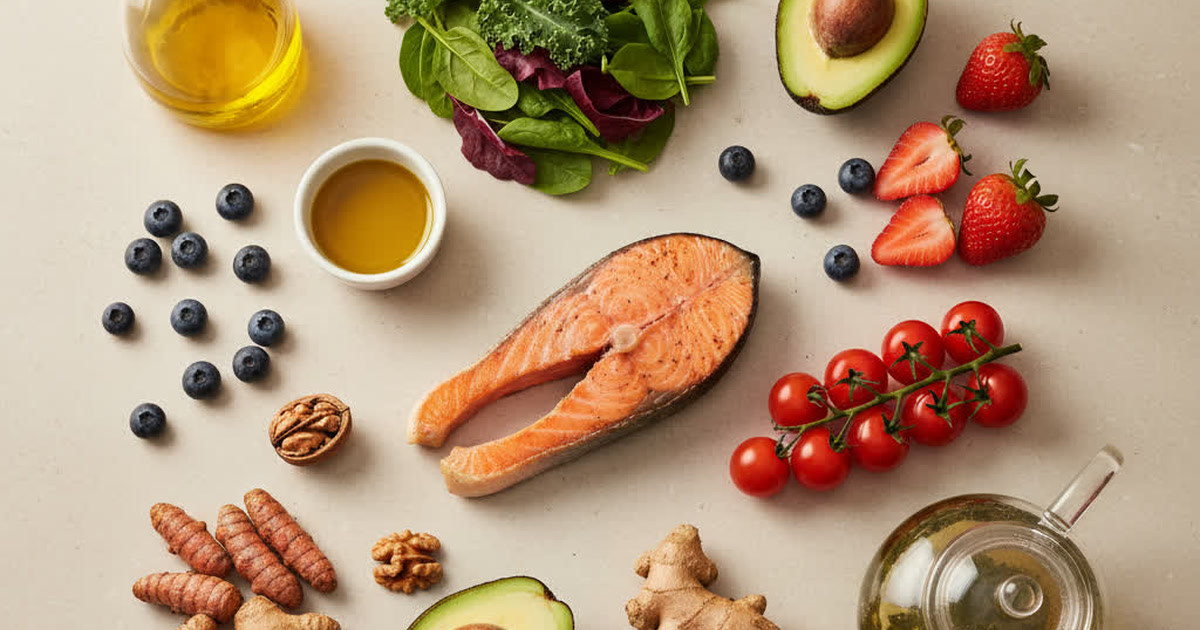
The Autoimmune Protocol started as an extension of paleo eating designed to lower systemic inflammation in adults with conditions like Hashimoto’s, lupus, psoriasis, and inflammatory bowel disease. The kids’ version keeps the same anti-inflammatory backbone but loosens the rules where childhood nutrition demands more flexibility. A pediatric AIP plan still removes gluten, dairy, eggs, legumes, nightshades, nuts, seeds, refined sugar, and industrial seed oils, yet it usually allows easier reintroductions, larger portions of starchy roots, and family-friendly recipes built around foods kids already recognize.
Most pediatric clinicians refer to this softer version as "modified AIP" or "family AIP." The strict elimination phase that adults follow for 30 to 90 days rarely suits a growing child, and unsupervised long restrictions can create real nutrient gaps. The autoimmune-friendly diet for kids works best as a guided framework, not a rulebook copied from an adult plan.
A 2019 pilot study in Crohn's & Colitis 360 followed pediatric IBD patients on a modified AIP and reported clinical remission in roughly 40 percent of participants within eight weeks, with no negative impact on growth when meals were planned with a clinician.
Pediatric autoimmune cases have climbed steadily over the last two decades. The CDC estimates that childhood autoimmune diagnoses have risen by more than 30 percent since the early 2000s, with juvenile arthritis, type 1 diabetes, celiac disease, and Hashimoto’s thyroiditis among the most common. Parents searching for a kid-friendly autoimmune diet usually fall into one of three groups, and the right answer differs for each.
AIP does not replace medication, immunology follow-ups, or specialist care. It works as a layer on top of medical treatment, and it works best when a clinician reviews lab markers like ferritin, vitamin D, B12, zinc, thyroid panels, and inflammation markers before any food gets removed.
Personalized for your child: Before starting any restriction, consider a tailored plan built around your child’s bloodwork and condition. The licensed practitioners at OnlineNutritionPlans design pediatric autoimmune protocols that protect growth while targeting flares. Book a personalized consultation.
Safety is the question every careful parent asks first, and the honest answer depends on how the protocol gets implemented. A strict, unsupervised 60-day elimination removes major calorie and nutrient sources at a time when children need 50 to 80 grams of protein, plenty of calcium, iron, B12, and steady carbohydrates to grow. Done wrong, AIP can stall growth, drop energy, and introduce food fear. Done well, it identifies triggers, calms autoimmune flares, and improves how kids feel without compromising development.
Track a simple food, mood, and sleep journal during the first three weeks. Patterns show up faster in writing than in memory, and they give your clinician the data needed to personalize reintroductions.
Most failed pediatric AIP attempts share one cause: parents announce a diet, the child resists, and the household splits into two menus that nobody enjoys. A smoother launch follows a quieter pattern. Change the family kitchen first. Replace what gets eaten without naming the protocol. Build a few staple meals that your child actually likes. Reintroduce structure once the new normal feels normal.
Parents often expect immediate transformation, yet most pediatric autoimmune responses surface between weeks three and six. Consistency outperforms perfection during this window, and a few accidental exposures rarely derail the bigger picture.
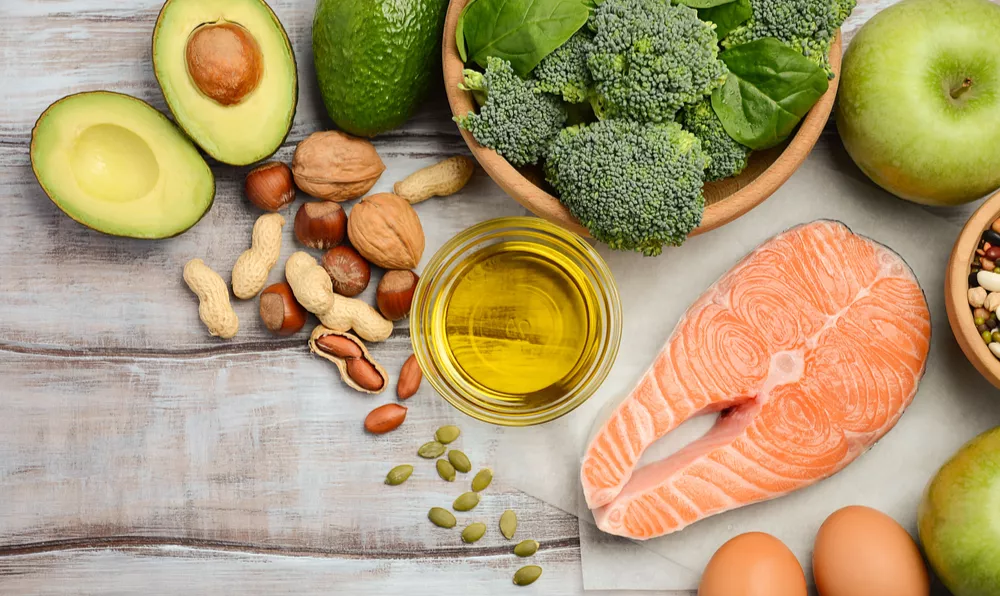
The food list looks short on paper and overwhelming in practice. The trick is anchoring meals to familiar shapes. Kids will eat almost anything in nugget, meatball, pancake, fry, or muffin form. Parents who lean into familiar formats report higher long-term compliance than those who try to teach children to enjoy salads and bone broth from day one.
The "nugget rule" works for most kids. Anything ground, breaded with cassava, and pan-fried in coconut oil tends to win. Batch cook 40 to 60 nuggets on Sunday and freeze them in portions for school lunches.
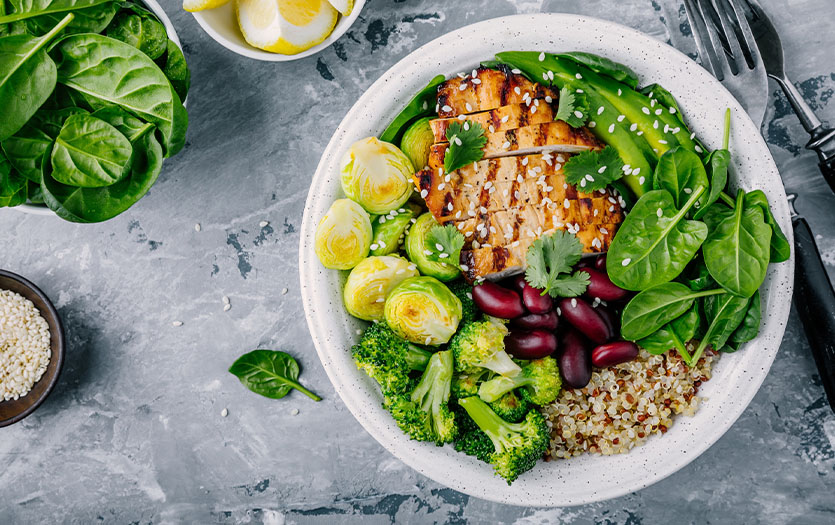
Sample plans help parents visualize portions, but every child needs adjustments based on age, weight, activity, and condition. Use this as a starting structure, not a prescription.
Even motivated families fall into a handful of predictable traps. Spotting them early saves weeks of frustration.
Personalized for your child: Standard protocols cannot account for your child’s lab work, growth pattern, food sensitivities, or family schedule. A licensed pediatric nutrition specialist can build a plan that fits your specific situation and adjusts as your child responds. Get a clinician-built plan.
Reintroduction is the most underused part of pediatric AIP. After three to six weeks of stability, a clinician usually guides families through a structured reintroduction that adds one food every five to seven days. The order matters. Egg yolks, ghee, seed-based spices, and legumes like green beans tend to be reintroduced first because they cause the fewest reactions. Nightshades, gluten, and dairy come later, and some families never reintroduce them at all.
Symptoms tracked during reintroduction should include digestion, sleep quality, mood, energy, joint comfort, skin appearance, and any condition-specific markers. A reaction can show up within hours or take 72 hours to surface, which is why slow pacing matters.
AIP should improve life, not complicate it. Stop the protocol and consult a clinician if your child shows any of the following:
If a child says "my tummy hurts" more often after starting AIP, suspect FODMAP overload from sweet potato, garlic, onion, and fruit before assuming the protocol failed. A simple swap usually resolves it.
A family-friendly AIP plan for kids is less about strict rules and more about a thoughtful framework. Remove what inflames, keep what nourishes, watch how your child responds, and adjust with data. Children are not miniature adults, so their version of the protocol needs softer edges, faster reintroductions, and a constant eye on growth and emotional comfort.
Standard online checklists cannot personalize for your child’s lab work, autoimmune diagnosis, current symptoms, or daily life. A pediatric autoimmune protocol designed around your child’s actual data, rather than a generic template, gives families the safest and most effective path forward.
Personalized for your child: Every child’s autoimmune picture is unique. The licensed practitioners at OnlineNutritionPlans review your child’s bloodwork, condition, lifestyle, and family schedule to build a pediatric AIP plan that protects growth, calms flares, and fits real life. Start your child’s personalized plan today.
Medical disclaimer: This article is educational and does not replace medical advice. Always consult your child’s pediatrician or a licensed healthcare practitioner before starting any new dietary protocol.