Yes, turmeric can support weight loss, but not as a miracle fat-melter on its own. Its active compound, curcumin, works upstream to calm chronic inflammation, improve insulin sensitivity, and help regulate appetite hormones—benefits that are especially pronounced in individuals with metabolic or autoimmune conditions. However, regular kitchen turmeric contains only about 3% curcumin and is poorly absorbed. For real clinical results, you must pair it with black pepper (which increases absorption by 2,000%) and healthy fats, or use a clinical-grade, bioavailability-enhanced supplement.
Turmeric earned the nickname “golden spice” long before social media turned it into a fat-loss trend. People now ask one blunt question about it every day: does turmeric for weight loss actually work, or is it another kitchen-cabinet myth? The honest answer sits in the middle. Turmeric will not melt fat on its own, but its active compound can quietly fix some of the metabolic problems that make weight loss feel impossible.
This guide breaks down what curcumin really does inside your body, how much you need, and why the same dose helps one person and does nothing for another. That last point matters most for anyone managing an autoimmune condition, where inflammation drives both the disease and the stubborn weight that comes with it.
Curious whether turmeric belongs in your own plan? Our licensed doctors build personalized metabolic and autoimmune plans using your blood tests and medical history, so you stop guessing about supplements.
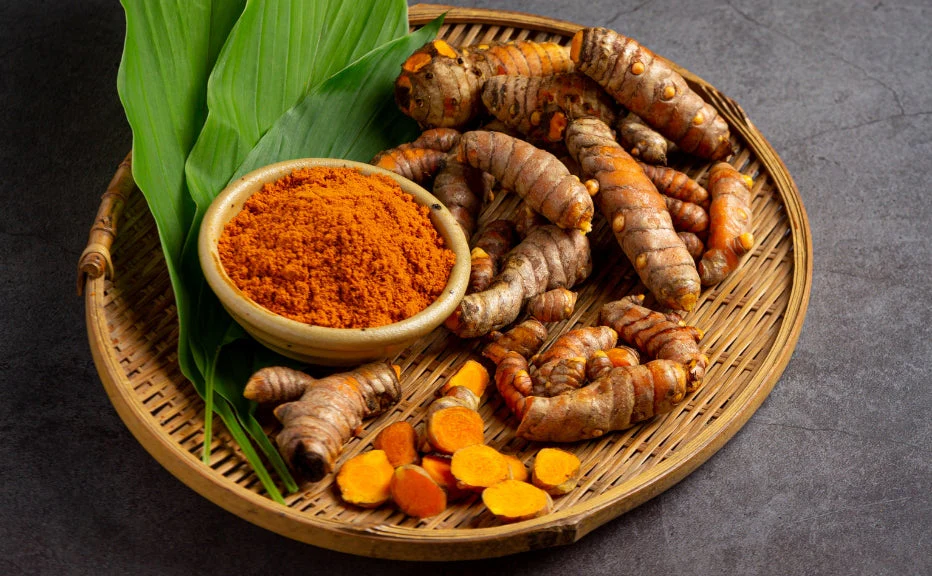
Most people use “turmeric” and “curcumin” as if they mean the same thing, and that confusion ruins their expectations. Turmeric is the whole root from the Curcuma longa plant, a relative of ginger. Curcumin is the single polyphenol inside that root that produces almost all of turmeric’s researched benefits.
Here is the catch that wrecks most home remedies: curcumin makes up only about 3% of turmeric by weight. A teaspoon of supermarket turmeric delivers a tiny curcumin dose compared to the concentrated extracts used in clinical trials. So when a study reports weight benefits, it almost always tested curcumin extract, not the spice in your curry. Understanding that gap explains why a turmeric latte rarely changes the scale.
Researchers have tested curcumin in dozens of human trials, so the case for turmeric for weight loss rests on real data rather than hype. A large 2023 meta-analysis found that curcumin supplementation significantly reduced body mass index, body weight, and waist circumference across study participants. The effect was modest but consistent, which is exactly what you want from a supporting tool rather than a miracle.
The size of that effect deserves an honest number. On average, people taking curcumin lost roughly 4 pounds more than those taking a placebo over the study periods. Four pounds will not transform anyone overnight, yet it signals that something real happens at the metabolic level. The results also clustered in a specific group, which leads to the most useful finding of all.
Curcumin worked best in people who started with a higher BMI or an existing metabolic disorder. A separate review focused on patients with metabolic syndrome confirmed the same pattern: those with the most metabolic dysfunction saw the clearest reductions in weight and waist size. If your weight gain is driven by inflammation, your body simply has more for curcumin to fix.
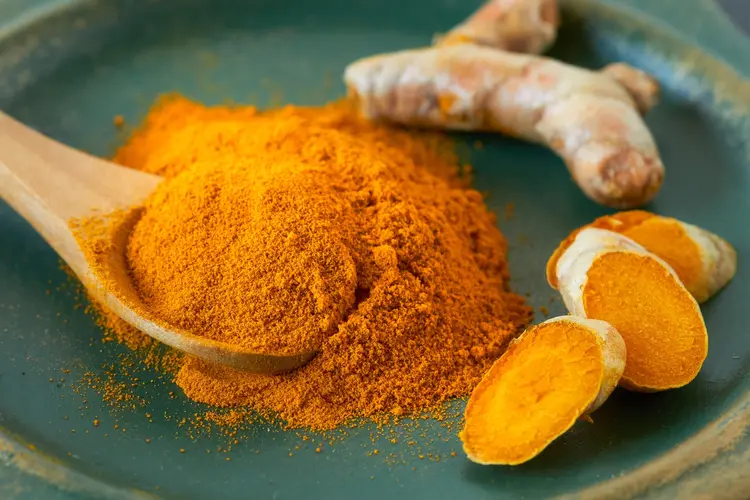
Turmeric does not act like a stimulant that forces your body to burn calories. The real mechanism behind turmeric for weight loss works upstream, repairing the conditions that keep weight stuck in the first place. Three mechanisms carry most of the weight here.
Excess fat tissue behaves like an active organ that pumps out inflammatory signals, and that low-grade inflammation stalls your metabolism. Curcumin suppresses those specific inflammatory markers, which quiets the background noise that drives further fat storage. This mechanism explains why people with inflammatory and autoimmune conditions often respond more noticeably than metabolically healthy dieters.
Curcumin influences leptin and adiponectin, the two hormones that govern hunger and fat metabolism. It can lower elevated leptin, the hormone that goes haywire in obesity and stops signaling fullness properly, while raising adiponectin, which helps your body burn fat and handle glucose. Better hormone signaling makes appetite easier to manage without constant willpower battles.
When your cells respond well to insulin, your body stores less blood sugar as fat around the midsection. Studies show curcumin improves insulin sensitivity, which is why the strongest results appear in people with prediabetes or type 2 diabetes. Fixing insulin resistance turns stored energy back into usable fuel.
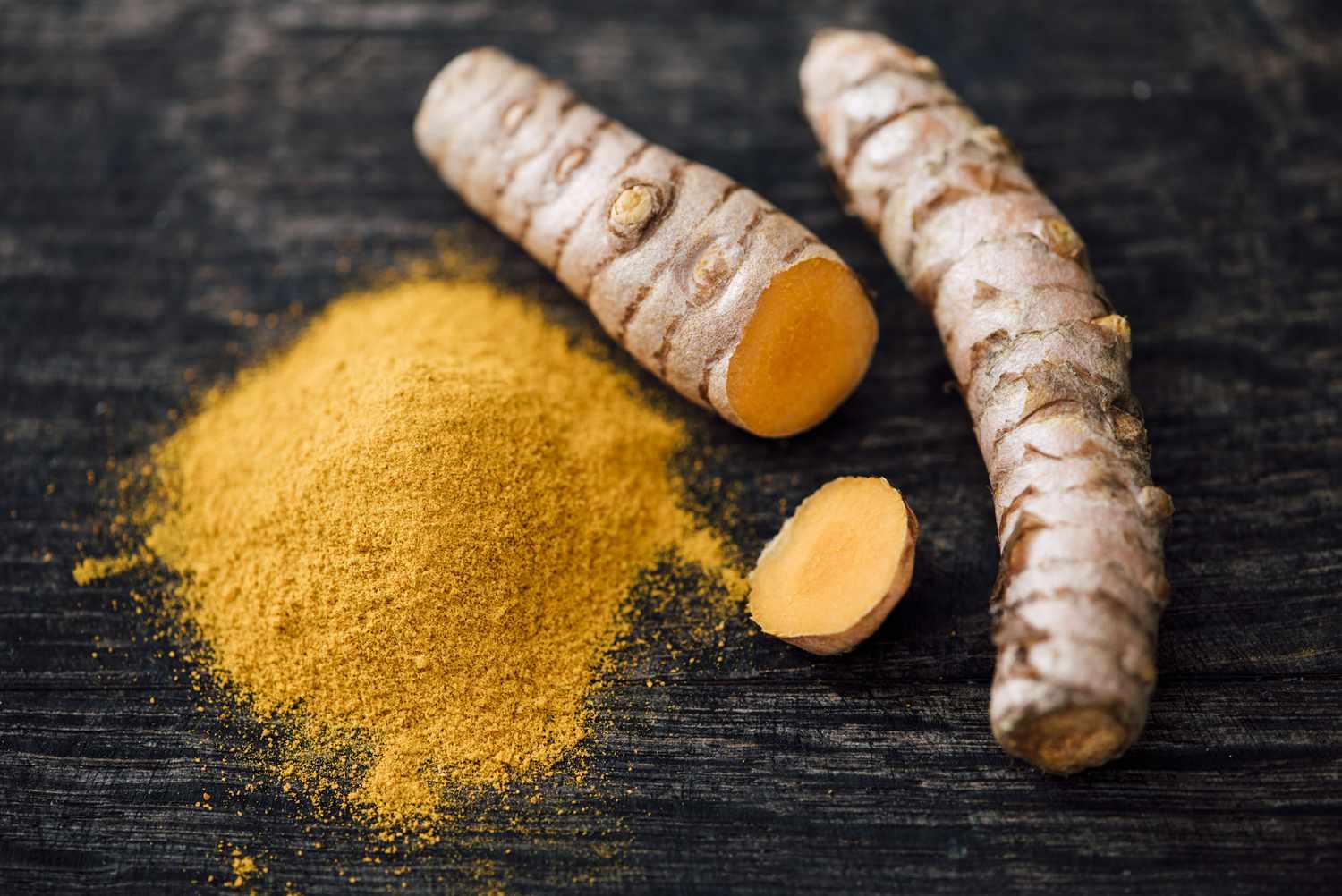
Here is the detail that quietly cancels most people’s efforts: your body absorbs curcumin terribly on its own. Swallow plain turmeric and your liver filters out most of it before it reaches your bloodstream. Two simple fixes solve this, and skipping them wastes the whole effort.
Many quality supplements now use bioavailability-enhanced formulas that bind curcumin to phospholipids or use nanoparticle technology. These deliver far more usable curcumin per capsule, which is worth knowing before you compare prices on a shelf. In short, the best way to take turmeric for weight loss is never plain powder on its own.
A practical tip from clinical practice: if you cook with turmeric, add it to dishes that already contain oil and a crack of black pepper, like roasted vegetables or a lentil stew. The fat and piperine do the heavy lifting for free, and the long simmer time helps the compound disperse.
Most turmeric articles ignore the group that may benefit most: people with autoimmune conditions. Hashimoto’s thyroiditis, rheumatoid arthritis, lupus, and psoriasis all share a common engine, which is chronic inflammation. That same inflammation often slows metabolism, disrupts hormones, and makes weight gain feel relentless no matter how carefully you eat.
Because curcumin targets inflammation directly, it can address one of the root causes behind autoimmune-related weight gain rather than just the symptom. This does not make turmeric a treatment for any autoimmune disease, and it never replaces medical care. It simply means the inflammation-weight connection that defines these conditions is exactly where curcumin shows its strongest signal in research.
This is also where generic advice becomes risky. A turmeric dose that helps a healthy adult may interact badly with autoimmune medications, thyroid drugs, or blood thinners. The right amount depends on your lab values and your full medication list, not a blog’s one-size-fits-all number.
Your Protocol Should Fit Your Unique Biology
If you live with an autoimmune condition, a standard protocol rarely fits. Our licensed doctors design bespoke autoimmune and lifestyle plans around your blood tests, current medications, and daily routine so supplements like turmeric work with your body, not against it.
Dosage is where people most want a single number, and where a single number is least appropriate. Clinical trials that produced weight benefits generally used 500 mg to 2,000 mg of curcumin extract per day. The World Health Organization lists a safe daily intake range of 0 to 3 mg per kilogram of body weight for curcumin, which gives a sense of the wider safety envelope.
If you prefer the whole spice, roughly half a teaspoon to one teaspoon daily (about 2 to 4 grams) is a common culinary range, always paired with black pepper. Timing matters less than consistency, though taking it with a fat-containing meal improves absorption and reduces the chance of stomach upset. Most studies needed 8 to 12 weeks of steady use before measurable changes appeared, so patience beats megadosing.
Your ideal dose still depends on your weight, your condition, and any medications you take. That is not a disclaimer for its own sake; it is the difference between a supplement that helps and one that harms.
Turmeric as a cooking spice is safe for almost everyone, but concentrated supplements demand more respect. At higher doses, some people experience nausea, diarrhea, an upset stomach, or yellow-tinted stools. These effects are usually mild and dose-related.
A more serious concern emerged in recent reporting: high-dose, high-bioavailability turmeric extracts have been linked to rare cases of drug-induced liver injury. Warning signs include yellowing of the eyes or dark urine, and they call for stopping the supplement and seeing a doctor immediately. The very formulas that boost absorption are the ones that bypass your body’s natural filters, which is the trade-off behind their potency.
Certain groups should be especially cautious before adding a turmeric supplement:
If any of these apply to you, the question is not whether turmeric is “natural,” but whether it fits your specific physiology and prescriptions. A licensed clinician can check that against your bloodwork before you start.

You do not need a pill to get turmeric’s metabolic benefits, and food-based intake carries far less risk than concentrated extracts. These approaches all build in the fat and pepper that absorption requires.
Turmeric is one tool, not the whole toolbox. It performs best alongside an anti-inflammatory eating pattern built on fiber, lean protein, and whole foods, which is the foundation any sustainable plan should rest on.
Q: Does turmeric burn belly fat specifically?
Turmeric cannot target one area, so it will not melt belly fat directly. It does help reduce overall body fat and waist circumference by improving insulin sensitivity and lowering the inflammation that drives visceral fat storage around the abdomen.
Q: How long does turmeric take to show weight loss results?
Most studies needed 8 to 12 weeks of consistent daily use before participants saw measurable changes in weight or metabolic markers. So if you are asking how long turmeric for weight loss takes to work, the honest answer is weeks, not days. Consistency matters far more than a large one-time dose, so steady habits beat sporadic megadoses.
Q: Can turmeric help with weight gain from an autoimmune condition?
Turmeric may help indirectly, because autoimmune-related weight gain is often driven by chronic inflammation that curcumin targets. It is not a treatment for the disease itself, and the safe dose depends on your medications and labs, so this is best assessed by a clinician familiar with your case.
Q: Is the turmeric spice in cooking enough, or do I need supplements?
Cooking with turmeric supports general wellness, but the spice delivers too little curcumin to match the doses used in weight loss trials. People seeking the researched metabolic effects usually need a concentrated, bioavailability-enhanced supplement, which is exactly the kind of decision worth running past a professional.
Q: What is the best time of day to take turmeric for weight loss?
No single time outperforms the rest, because absorption depends on what you take it with rather than the clock. Taking turmeric alongside a meal that contains healthy fat, such as breakfast or dinner, maximizes how much curcumin reaches your bloodstream and lowers the risk of stomach upset.
Turmeric is not a fat burner, and anyone selling it that way is overstating the science. The truth about turmeric for weight loss is more useful than the hype: curcumin reduces the inflammation, hormone imbalance, and insulin resistance that quietly sabotage weight loss, especially in people with metabolic or autoimmune challenges. Pair it with black pepper and fat, give it 8 to 12 weeks, and treat it as a supporting player inside a real plan.
The single most important takeaway is that your results hinge on your individual biology. A standard turmeric protocol cannot account for your blood tests, your medications, your autoimmune status, or your lifestyle, and those variables decide whether the same dose helps or harms.
Ready to Build a Plan Around Your Body Instead of a Generic Protocol?
Get a doctor-designed diet, metabolic, and lifestyle plan based on your own lab work and conditions, so every choice, turmeric included, is made for you.