Yes, a 21-day anti-inflammatory diet is highly effective for reducing body-wide inflammation, resetting gut health, and boosting daily energy. By systematically replacing processed foods, refined sugars, and trans fats with nutrient-dense whole foods—such as fatty fish, leafy greens, berries, and anti-inflammatory spices like turmeric and ginger—you give your immune system a chance to calm down. While 21 days is the perfect window to break habits and feel initial shifts like less bloating and improved energy, lasting changes to autoimmune and metabolic markers usually take 3 to 6 months of consistency, ideally customized to your specific lab results.
A 21-day anti-inflammatory diet gives your body a structured three-week window to swap inflammation-driving foods for nutrient-dense ones that actively cool the immune response. Chronic inflammatory diseases now drive three out of five deaths worldwide, according to data published by the National Library of Medicine, so the foods on your plate carry real weight. This guide maps out the full anti-inflammatory diet meal plan week by week, explains the science in plain language, and shows you exactly what to eat and what to leave behind.
One point matters before you start. A standard 21 day anti-inflammatory diet template treats every body the same, yet your inflammation has its own triggers, history, and lab signature. The plan below works as a strong starting framework, and you can sharpen it dramatically once you know what your own blood markers reveal.
Curious whether an anti-inflammatory diet is right for your unique biology? Our licensed doctors build personalized metabolic and autoimmune plans using your blood tests and medical history, so you stop guessing about what to eat.
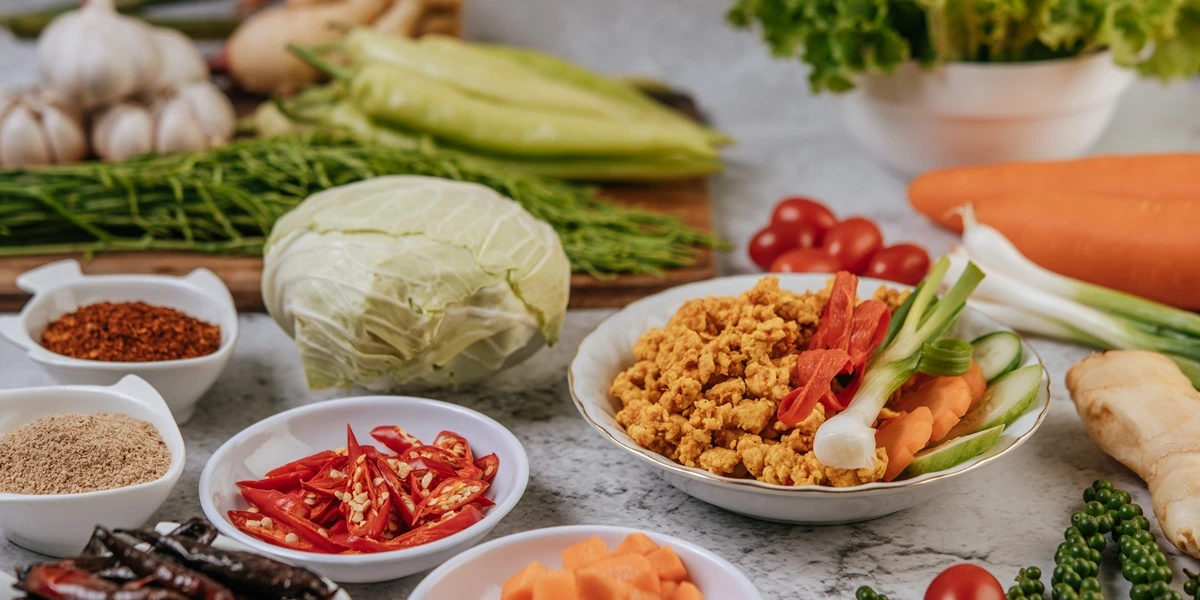
A 21-day anti-inflammatory diet is a three-week eating pattern that prioritizes whole foods rich in omega-3 fatty acids, fiber, and polyphenols while phasing out refined sugar, processed meat, and trans fats. Researchers built this approach on the same foundation as the Mediterranean and DASH diets, both of which lower body-wide inflammation in clinical studies.
The 21-day window is not magic, and it helps to know that. Three weeks is long enough to break old habits and feel early shifts in energy and digestion, yet short enough to commit to fully. Most people notice subtle improvements within two to four weeks, while deeper changes to inflammatory markers usually take three to six months of consistency.
Inflammation itself is not the enemy. Your immune system fires acute inflammation to heal a cut or fight an infection, and that response fades within days. Problems start when inflammation stays switched on for months or years, because chronic low-grade inflammation links to diabetes, heart disease, arthritis, and several autoimmune conditions.
The plan works by changing the chemical signals your food sends to your immune system. Antioxidant-rich produce neutralizes oxidative stress, omega-3 fats from fish dial down inflammatory pathways, and fiber feeds the gut bacteria that regulate immunity. Here is a useful number to anchor the strategy: fiber lowers C-reactive protein, a key blood marker of inflammation, and the Arthritis Foundation reports that fiber from whole foods reduces CRP more effectively than fiber from supplements.
Each pigment in fruits and vegetables signals a different family of polyphenols, so a plate with deep greens, red peppers, blueberries, and turmeric delivers a broader anti-inflammatory effect than a plate of a single color. Aim for at least one anti-inflammatory food in every meal rather than saving them all for dinner.
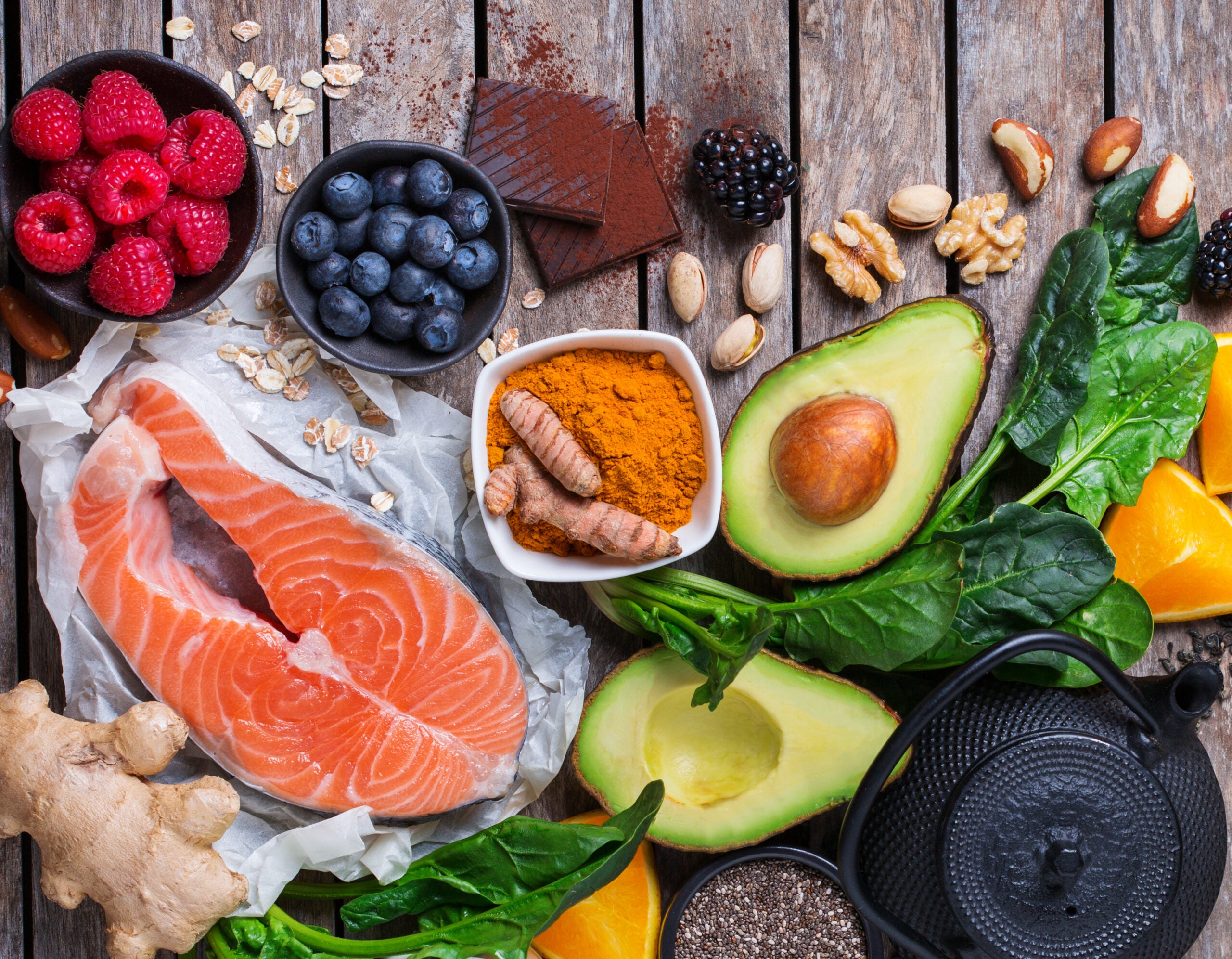
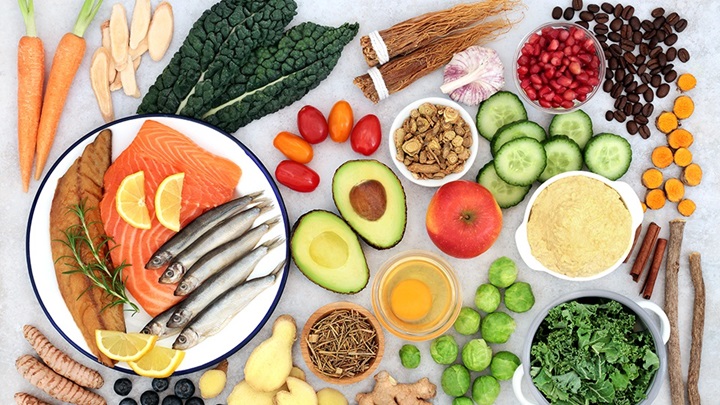
Recipes for an anti inflammatory diet succeed when you stock your kitchen correctly, so this list does the heavy lifting before week one begins. Build your shopping around the foods on the left and clear out the foods on the right.
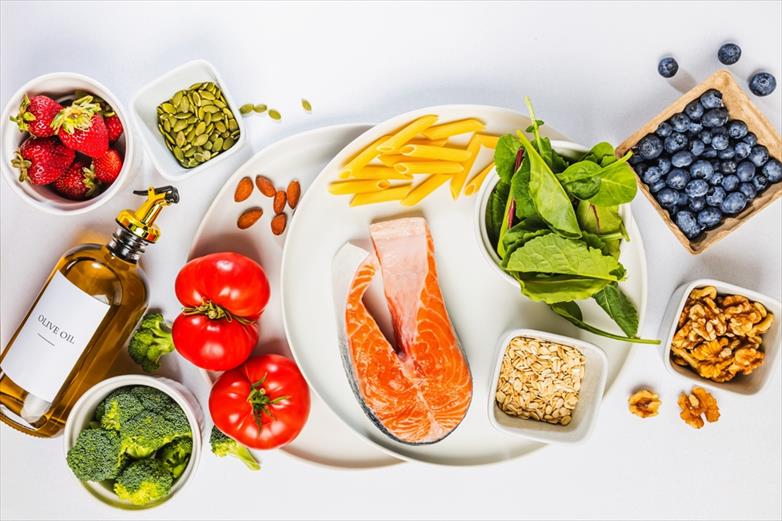
Eat freely |
Limit or avoid |
|---|---|
Fatty fish: salmon, sardines, mackerel |
Processed meats: bacon, salami, hot dogs |
Leafy greens: spinach, kale, chard |
Refined carbs: white bread, sugary cereal |
Berries, cherries, oranges, apples |
Sugar-sweetened sodas and energy drinks |
Extra virgin olive oil and avocado |
Trans fats and partially hydrogenated oils |
Walnuts, almonds, flaxseed, chia |
Fried foods and cream-based sauces |
Turmeric, ginger, garlic, cinnamon |
Excess alcohol and packaged snack foods |
Legumes, lentils, whole grains |
Processed cheese and microwave dinners |
One quiet saboteur deserves a callout: sauces and dressings. A bowl of greens turns inflammatory the moment you drown it in a dressing loaded with added sugar and soybean oil. Read labels closely, because sugar hides under names like cane crystals and crystallized cane juice.
This anti inflammatory diet meal plan splits the three weeks into clear phases. Week one resets your pantry and palate, week two expands variety and protein, and week three locks in habits you can carry well past day 21. Swap any meal for another in the same week to match your taste and budget.
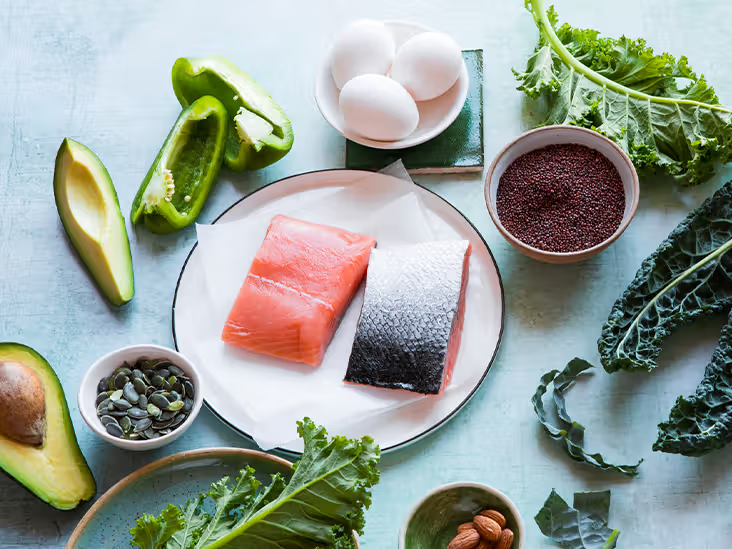
Week one removes the biggest lifestyle and dietary inflammation drivers and introduces gentle, familiar meals. The goal this week is consistency, not perfection.
Day |
Breakfast |
Lunch |
Dinner |
|---|---|---|---|
Day 1 |
Berry and spinach smoothie |
Quinoa salad with grilled chicken |
Broiled salmon with broccoli |
Day 2 |
Avocado and egg on rye |
Lentil and vegetable soup |
Baked tofu with green salad |
Day 3 |
Oats with blueberries and flax |
Tuna and white bean bowl |
Turmeric chicken with kale |
Day 4 |
Greek yogurt with walnuts |
Chickpea and roasted veg wrap |
Sardine pasta with olive oil |
Day 5 |
Chia pudding with raspberries |
Salmon and avocado salad |
Stir-fried tempeh and bok choy |
Day 6 |
Veggie omelet with herbs |
Mediterranean grain bowl |
Ginger-garlic shrimp with greens |
Day 7 |
Smoothie bowl with seeds |
Leftover salmon lettuce cups |
Cauliflower and lentil curry |
Week two widens your recipe range and increases plant diversity, which feeds a healthier gut microbiome. You should feel steadier energy and less bloating by now.
Day |
Breakfast |
Lunch |
Dinner |
|---|---|---|---|
Day 8 |
Turmeric overnight oats |
Roasted beet and goat cheese salad |
Miso-glazed salmon with greens |
Day 9 |
Smoked salmon on whole grain |
Farro and arugula bowl |
Chicken and vegetable tagine |
Day 10 |
Berry kefir smoothie |
Spiced lentil soup |
Grilled mackerel with fennel |
Day 11 |
Almond butter and banana toast |
Quinoa tabbouleh with chickpeas |
Tofu and broccoli stir-fry |
Day 12 |
Veggie scramble with avocado |
Sardine and tomato salad |
Turkey and zucchini meatballs |
Day 13 |
Chia and walnut porridge |
Sweet potato and black bean bowl |
Baked cod with herb pesto |
Day 14 |
Green smoothie with ginger |
Mediterranean lentil wrap |
Shrimp and vegetable skewers |
Week three turns the plan into a lifestyle. Try more creative recipes and batch-cook so the pattern holds after day 21. This is where many people report clearer skin, calmer joints, and sharper focus.
Day |
Breakfast |
Lunch |
Dinner |
|---|---|---|---|
Day 15 |
Savory oats with mushrooms |
Salmon poke bowl |
Eggplant and chickpea stew |
Day 16 |
Berry and flax smoothie |
Kale Caesar with grilled chicken |
Herb-crusted trout with greens |
Day 17 |
Yogurt parfait with cherries |
Roasted vegetable buddha bowl |
Ginger beef and broccoli |
Day 18 |
Spinach and feta omelet |
Lentil and walnut salad |
Garlic shrimp over zoodles |
Day 19 |
Pumpkin seed chia pudding |
Tuna nicoise salad |
Turmeric salmon with quinoa |
Day 20 |
Smoothie with greens and berries |
Mediterranean mezze plate |
Tempeh and vegetable curry |
Day 21 |
Whole grain avocado toast |
Roasted salmon and farro bowl |
Slow-cooked chicken cacciatore |
Roast a double batch of salmon or vegetables at dinner and carry the leftovers into the next day's lunch. This single habit cuts your prep time roughly in half and keeps you from reaching for inflammatory convenience food when the week gets busy.
This is where a generic plan reaches its limit. An anti-inflammatory diet plan helps many people with autoimmune conditions feel better, yet autoimmune inflammation behaves differently from the everyday kind. Conditions like Hashimoto's, rheumatoid arthritis, lupus, and psoriasis each react to specific food triggers that vary from one person to the next.
Some people with autoimmune disease respond to nightshades, gluten, or dairy that the standard plan above includes freely. The Arthritis Foundation even suggests cutting nightshades for two weeks as a personal test. That kind of trial-and-error guesswork is exactly what a lab-guided plan removes.
Recovery timelines also stretch longer with autoimmune disease. While a healthy adult may feel relief in two weeks, autoimmune healing often takes three to six months or more, which makes a precise, individualized roadmap far more valuable than a one-size-fits-all PDF.
Following an Autoimmune Condition Flare?
Standard 21-day templates rarely account for individual autoimmune triggers. Our doctors read your bloodwork, current condition, and lifestyle to build a metabolic and autoimmune plan made only for you.
Most people who quit a 21-day anti-inflammatory diet stumble on the same avoidable errors. Sidestep these and your three weeks will deliver far more.
The 21-day anti-inflammatory diet above is a reliable framework, and you can follow it today. The version that changes your bloodwork is the one built on your numbers. Your CRP level, vitamin status, food sensitivities, thyroid markers, and metabolic profile all reshape which foods help you and which quietly hold you back.
This is the core idea behind a personalized plan. Two people can run the same 21 day anti-inflammatory diet and get opposite results, because their bodies, labs, and lifestyles differ. A licensed doctor who reads your test results can tell you precisely where to push and where to ease off, which turns a generic three weeks into a plan that actually fits your life.
Q: How long does it take to see results on a 21-day anti-inflammatory diet?
Most people notice subtle improvements in energy, digestion, and bloating within two to four weeks. Significant changes to inflammatory blood markers usually take three to six months of consistent eating, so view the 21 days as a strong launch rather than a finish line.
Q: Is there a 21 day anti-inflammatory diet PDF I can follow?
Many sites offer a 21 day anti-inflammatory diet PDF with a fixed menu. Those downloads work as general guides, yet they cannot account for your blood tests or health conditions. A plan reviewed by a doctor adapts the same three weeks to your specific labs and lifestyle.
Q: Can I do this diet with an autoimmune disease?
Yes, and many people with autoimmune conditions benefit. The catch is that autoimmune inflammation responds to individual triggers like gluten, dairy, or nightshades. A licensed doctor can identify your triggers from testing so your anti-inflammatory diet plan removes guesswork.
Q: Is the anti-inflammatory diet the same as the Mediterranean diet?
They overlap heavily. The Mediterranean diet is one well-studied anti-inflammatory pattern built around fish, olive oil, vegetables, and whole grains. An anti-inflammatory diet is broader and simply prioritizes any foods that lower inflammation while limiting those that raise it.
Q: Will a 21-day anti-inflammatory diet help with weight loss?
Often, yes. The plan replaces calorie-dense processed foods with fiber-rich whole foods that keep you full, so many people lose weight without counting calories. Weight loss is a common side benefit rather than the main goal of the diet.
A 21-day anti-inflammatory diet is one of the most practical ways to take back control of chronic inflammation. Start with the three-week plan above, stock your kitchen from the food list, and avoid the common mistakes that derail most people. Then take it further.
Ready to Stop Guessing About Your Nutrition?
Let our licensed doctors build a metabolic, autoimmune, and lifestyle plan around your blood tests and your real circumstances. Start your personalized anti-inflammatory plan today.