An expert-built nutrition framework for autoimmune thyroid management, with daily meals, nutrient targets, and the lab markers your plan should track.
Hashimoto's thyroiditis affects roughly 5 in 100 Americans and accounts for 90% of all hypothyroidism cases in iodine-sufficient countries, according to the National Institute of Diabetes and Digestive and Kidney Diseases. The condition develops when the immune system targets the thyroid gland, slowly reducing hormone output and triggering symptoms like fatigue, brain fog, weight changes, cold intolerance, and hair thinning.
This 7-day diet plan for Hashimoto's disease translates the clinical evidence into a practical week of meals. The plan focuses on lowering chronic inflammation, supplying the micronutrients your thyroid needs to make T3 and T4, and protecting the gut barrier that influences autoimmune flares.
A 2019 Frontiers in Endocrinology meta-analysis linked a gluten-free diet with a measurable reduction in TPO and TgAb antibody levels in Hashimoto's patients. A separate 2023 PubMed-indexed study found that removing lactose improved TSH in Hashimoto's patients with concurrent lactose intolerance.
One important caveat sets the tone for everything below. Generic protocols rarely match what one specific person needs. Your antibody levels, ferritin, vitamin D status, gut health, medication timing, sleep, stress load, and food sensitivities all shape what your thyroid actually responds to.
Want a plan built around your labs? Our licensed doctors at OnlineNutritionPlans design metabolic and autoimmune protocols that account for your bloodwork, symptoms, and lifestyle, not a one-size template. See how it works →
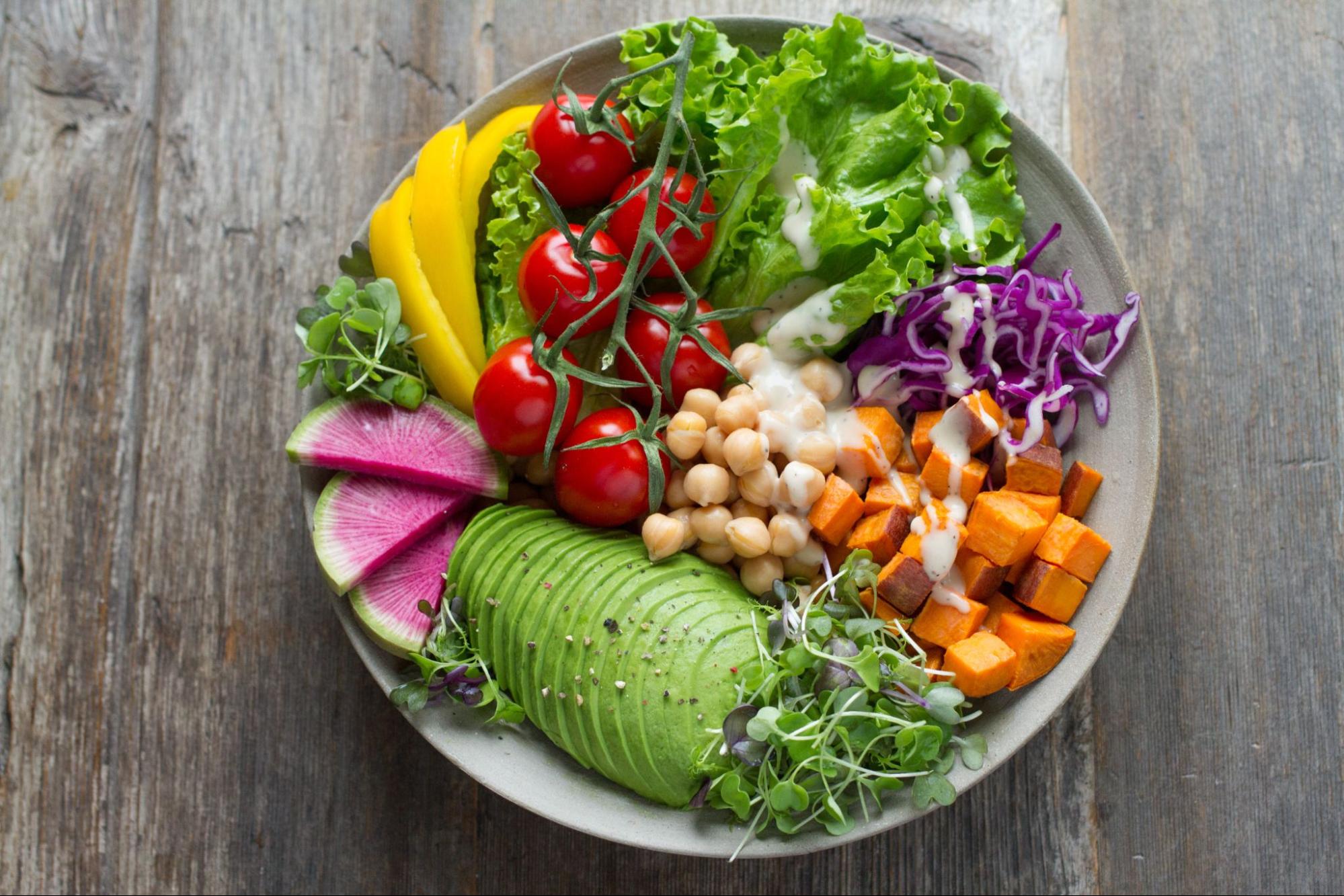
Hashimoto's involves three feedback loops that food directly touches: the immune system, the gut barrier, and thyroid hormone conversion. Each loop has nutritional levers, and pulling them in the right order produces the best results.
Chronic inflammation drives antibody production. Diets high in refined sugar, industrial seed oils, and ultra-processed ingredients raise inflammatory markers like C-reactive protein. An anti-inflammatory pattern centered on vegetables, fatty fish, olive oil, and herbs lowers those markers within weeks.
Roughly 20% of T4 to T3 conversion happens in the gut, which means a damaged intestinal lining limits how much active thyroid hormone you actually produce. Fermented foods, prebiotic fiber from vegetables, and bone broth support the gut barrier and help reduce the immune triggers that worsen autoimmune attacks.
Your thyroid needs specific minerals to manufacture and activate hormones. Selenium powers the enzyme that converts T4 to active T3. Zinc supports TSH signaling. Iron and vitamin D modulate immune tolerance. Deficiency in any one of these stalls the entire system, even when you take levothyroxine on schedule.
Take levothyroxine on an empty stomach with plain water, then wait 30 to 60 minutes before eating. Coffee, calcium, iron, and high-fiber meals reduce absorption by up to 40% when taken too close to your dose.

This list focuses on the foods that show up most often in clinical Hashimoto's protocols. Each one delivers a specific nutrient or anti-inflammatory compound your thyroid uses every day.
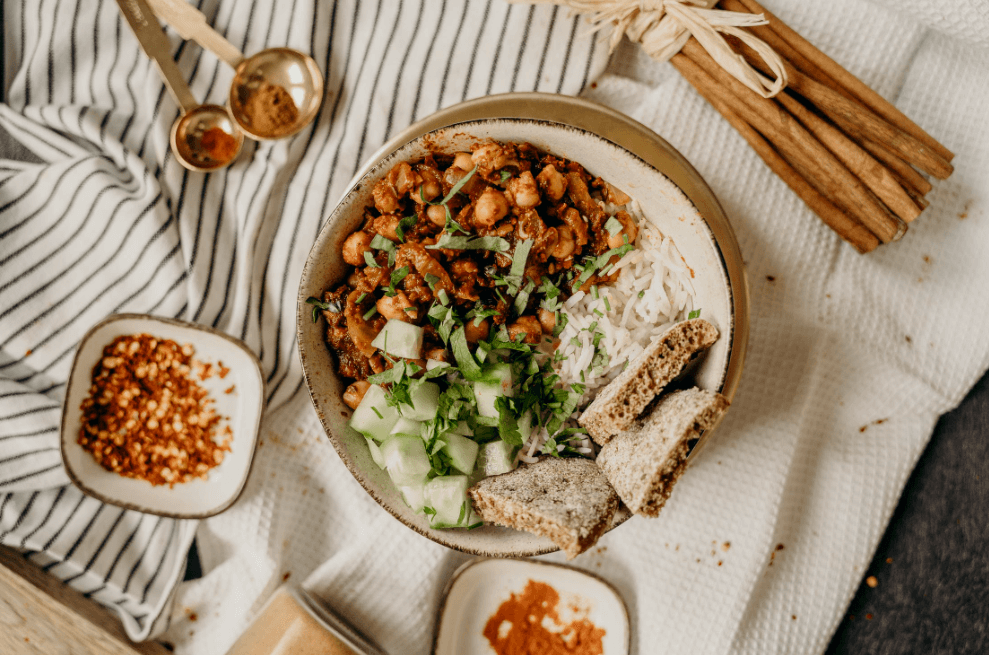
These categories show the strongest evidence for triggering symptoms or raising antibody counts in Hashimoto's patients. Removing them for at least four weeks gives you a clean baseline to test reintroductions.
Keep a 7-day symptom journal alongside this meal plan. Track energy, digestion, sleep quality, and mood on a 1 to 10 scale each evening. Patterns become obvious by day 5, and the journal gives your clinician real data to adjust your plan.
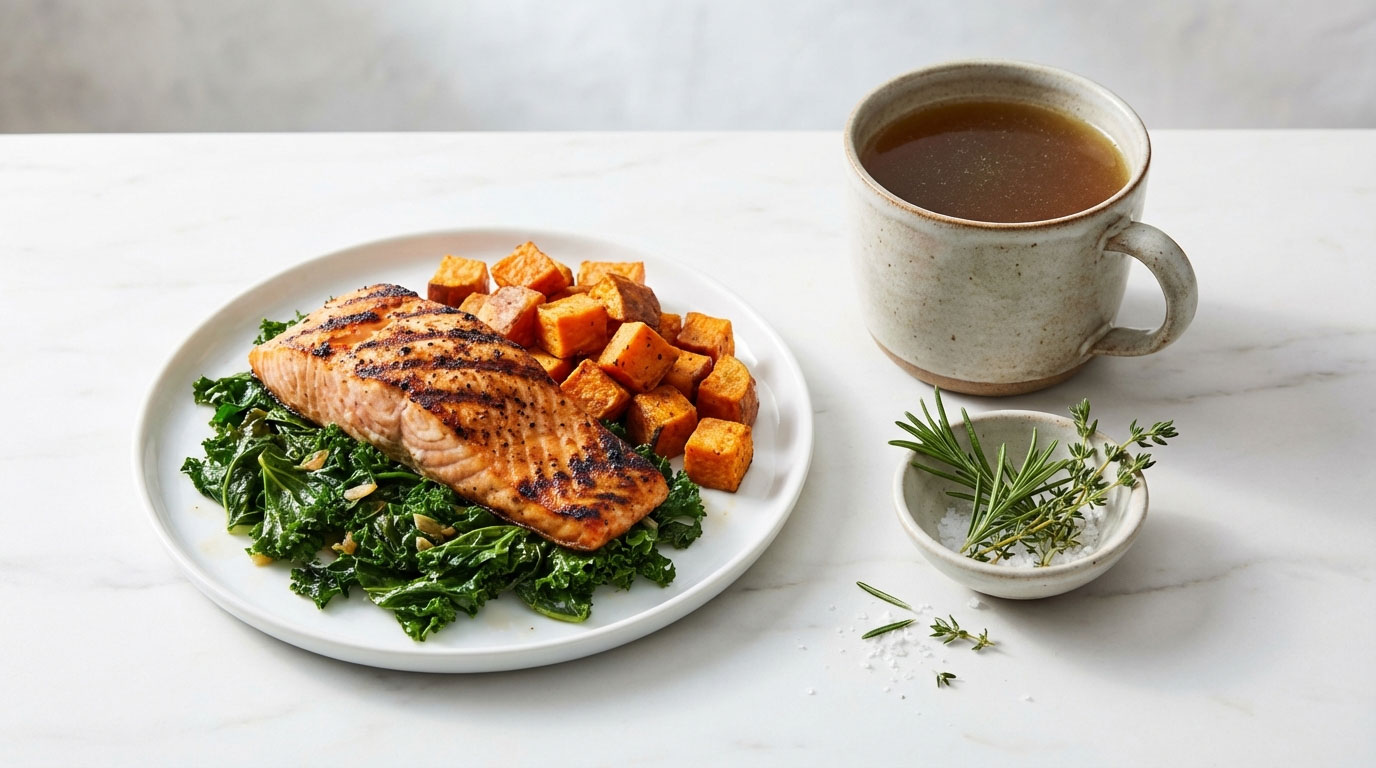
Each day below targets roughly 1,800 to 2,000 calories, 90 to 110 grams of protein, and 30 grams of fiber. Adjust portions based on your size, activity, and clinical guidance. Every meal is gluten-free and dairy-free by default, with optional substitutions noted at the end.
Breakfast: Spinach and mushroom omelet (3 eggs) cooked in olive oil, half an avocado, fresh berries.
Lunch: Grilled wild salmon (5 oz) over arugula with roasted sweet potato, pumpkin seeds, lemon-tahini dressing.
Snack: 1 Brazil nut and an apple with almond butter.
Dinner: Slow-cooked chicken thighs with garlic, rosemary, roasted carrots, and quinoa pilaf.
Breakfast: Gluten-free oats with chia seeds, blueberries, walnuts, and unsweetened coconut milk.
Lunch: Sardine salad (whole sardines in olive oil) with mixed greens, cucumber, olives, and red onion.
Snack: Carrot sticks with hummus.
Dinner: Grass-fed beef stir-fry with broccoli, bell peppers, ginger, and brown rice.
Breakfast: Coconut yogurt with banana, ground flaxseed, and a drizzle of raw honey.
Lunch: Bone broth chicken soup with shredded chicken, carrots, celery, leeks, and rice noodles.
Snack: A small handful of roasted chickpeas.
Dinner: Baked cod with herbed olive oil, sautéed kale with garlic, and roasted butternut squash.
Breakfast: Smoothie with frozen mango, spinach, hemp seeds, collagen protein, and unsweetened almond milk.
Lunch: Quinoa bowl with roasted chickpeas, cherry tomatoes, cucumber, parsley, and tahini sauce.
Snack: Two squares of 85% dark chocolate and a few raspberries.
Dinner: Turkey meatballs in tomato sauce over zucchini noodles, side salad with olive oil.
Breakfast: Sweet potato hash with ground turkey, scrambled eggs, and sautéed spinach.
Lunch: Lentil soup with carrots, celery, turmeric, and a side of arugula salad.
Snack: Sliced pear with 1 tablespoon of almond butter.
Dinner: Grilled lamb chops with rosemary, roasted Brussels sprouts, and mashed cauliflower.
Breakfast: Chia pudding made with coconut milk, topped with strawberries and toasted pumpkin seeds.
Lunch: Tuna salad (in olive oil) over romaine with avocado, capers, and red onion.
Snack: Cucumber slices with guacamole.
Dinner: Pan-seared mackerel, roasted asparagus with lemon, and wild rice.
Breakfast: Vegetable frittata (3 eggs) with zucchini, tomato, and fresh basil, side of sliced peach.
Lunch: Roasted vegetable and chicken bowl with quinoa, kale pesto, and sunflower seeds.
Snack: Olives and a small piece of fruit.
Dinner: Beef and vegetable stew with carrots, parsnips, mushrooms, and fresh herbs over cauliflower mash.
Hydration sits behind every meal. Aim for 2.5 to 3 liters of filtered water daily, plus herbal teas like ginger, tulsi, and chamomile that soothe inflammation and support sleep.
These targets reflect adult dietary reference intakes adjusted for autoimmune thyroid disease. Your physician may adjust them based on your serum levels, especially for vitamin D and iron.
| Nutrient | Daily Target | Best Food Sources |
|---|---|---|
| Selenium | 55 to 200 mcg | Brazil nuts, sardines, tuna, eggs |
| Zinc | 8 to 11 mg | Oysters, grass-fed beef, pumpkin seeds |
| Vitamin D | 1,000 to 2,000 IU | Wild salmon, egg yolks, fortified milk |
| Iodine | 150 mcg | Seaweed in moderation, cod, iodized salt |
| Iron | 18 mg (women) | Liver, lentils, spinach with vitamin C |
| Omega-3 | 1.1 to 1.6 g | Salmon, sardines, flaxseed, chia seeds |
| Vitamin B12 | 2.4 mcg | Eggs, beef, clams, nutritional yeast |
Test, do not guess. Before adjusting selenium, iron, or vitamin D through supplements, ask your doctor for serum 25-OH vitamin D, ferritin, transferrin saturation, and full iron panel. Excess selenium can paradoxically worsen autoimmunity, and unmonitored iron can damage organs.
A meal plan is only useful if it changes the numbers your thyroid actually responds to. Retest these markers 8 to 12 weeks after starting the plan, alongside symptom tracking.
Lab values out of range? OnlineNutritionPlans matches your TPO, TSH, ferritin, and vitamin D results to a doctor-built nutrition protocol that targets the exact gap in your panel. Get a plan based on your labs →
Food does the heaviest lifting in autoimmune thyroid care, but four lifestyle factors decide how much of that work actually shows up in your bloodwork.
Aim for 7 to 9 hours nightly with a consistent schedule. Short sleep raises cortisol and TSH the next morning, which directly worsens Hashimoto's symptoms.
Chronic stress shifts T4 toward inactive reverse T3 instead of active T3. Daily breath work, walks in nature, and journaling lower this conversion shift within weeks.
Walk 30 to 45 minutes most days and add two short strength sessions weekly. Avoid prolonged high-intensity training during flares because excessive cortisol release can worsen antibody levels.
BPA, phthalates, and heavy metals disrupt thyroid receptors. Swap plastic food containers for glass, choose fragrance-free personal care products, and filter your drinking water.
This 7-day diet plan for Hashimoto's disease gives you a tested template that follows the clinical evidence on autoimmune thyroid care. Use it as your baseline for the next four weeks, track symptoms and labs, and refine the plan based on what your body shows you.
The faster path runs through personalization. Your TPO antibodies, ferritin, vitamin D, gut microbiome, and food sensitivities form a fingerprint that no template can fully match. A protocol built around that fingerprint moves your numbers faster and protects you from the elimination diets you do not actually need.
Ready for a plan built around your bloodwork? OnlineNutritionPlans pairs you with licensed doctors who design Hashimoto's protocols around your labs, symptoms, and lifestyle. Start your personalized plan →
Disclaimer: This article shares educational information and does not replace medical advice. Consult your physician before changing your diet, especially if you take levothyroxine or other thyroid medications.