If you follow the autoimmune protocol, you already know the rule that stings the most: chocolate sits on the no list during elimination. The good news is that AIP chocolate substitutes have come a long way, and several of them genuinely scratch the chocolate itch without breaking the protocol. This guide ranks the swaps that work, shows you the exact ratios to bake with, and explains why each one earns a place on your shelf.
One thing worth saying up front: the right substitute depends on your body, your reintroduction stage, and the autoimmune condition you manage. A swap that soothes one person can flare another. That is exactly why a plan built around your bloodwork beats any generic food list, and we will come back to that idea throughout this article.

Chocolate comes from the cacao seed, and the autoimmune protocol removes seeds during the elimination phase. Cacao also carries caffeine, theobromine, and naturally occurring compounds that can stimulate an already stressed immune system. For someone working to calm gut inflammation, those compounds undercut the goal.

The elimination phase usually runs 30 to 90 days, and most people reintroduce cocoa or dark chocolate later as a stage-one trial. Roughly 80 percent of AIP followers report missing chocolate more than any other food, which is why a reliable substitute matters so much for sticking with the protocol. The aim is not punishment. The aim is a calm baseline you can measure reactions against.
Here is the practical takeaway: you do not have to white-knuckle your way through a chocolate-free stretch. The substitutes below let you keep the ritual of a warm mug or a fudgy bite while your gut does its repair work.
Each option below earns its spot for a specific reason, whether that is flavor, texture, or how it behaves in a recipe. Treat this as a shelf-stocking checklist rather than a single winner, because a good AIP chocolate substitute for baking is rarely the same one you reach for in a hot drink.
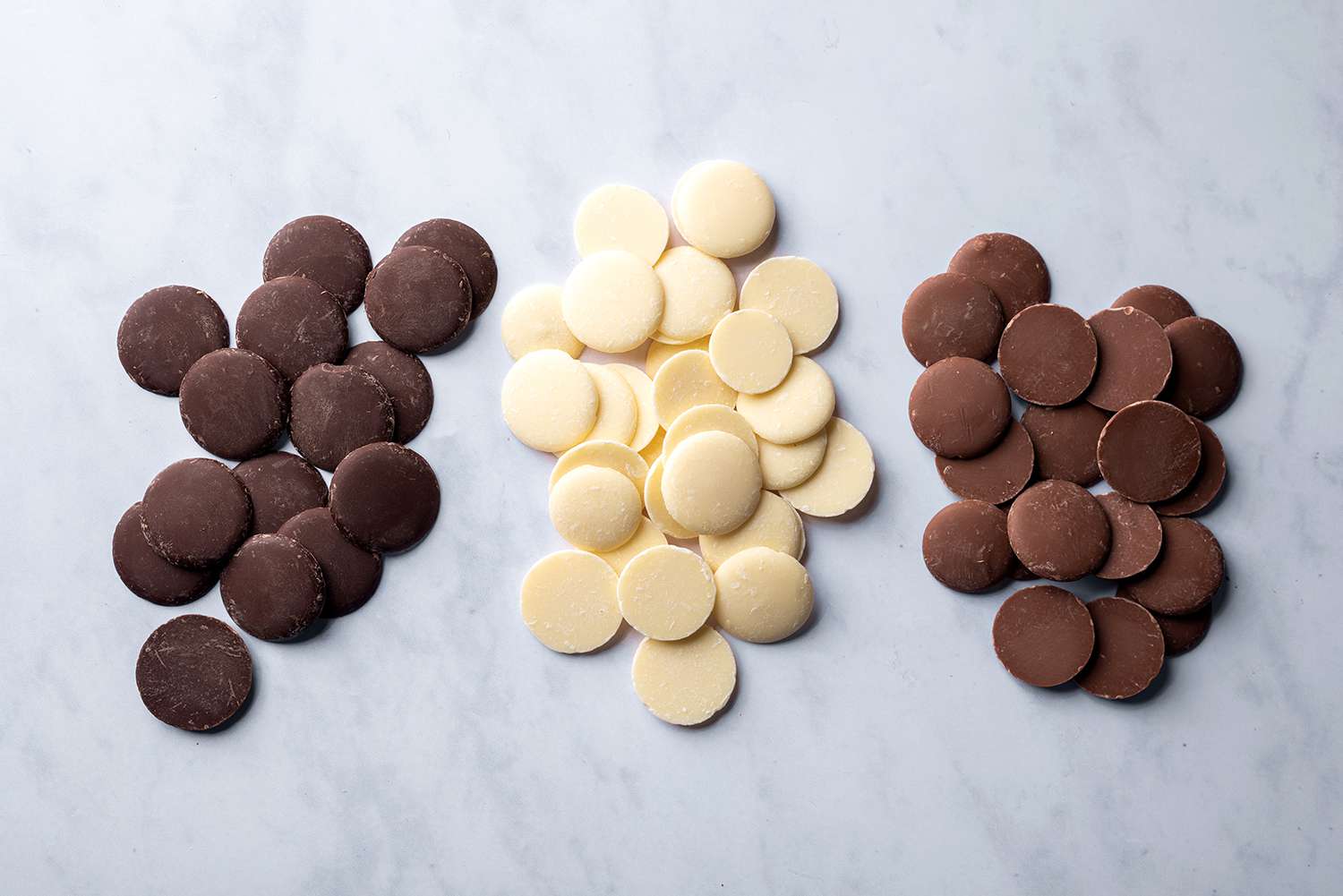
Carob is the headline AIP chocolate substitute, and for good reason. It comes from the dried, roasted pod of the carob tree, a Mediterranean legume. Even though legumes are off-limits during elimination, carob earns a pass because you eat the pod rather than the seed. The flavor lands somewhere between cocoa and molasses, with a natural sweetness that means you can cut added sugar.
carob is sweeter and less bitter than cocoa, so swap it one-to-one by volume but reduce any added sweetener by about a quarter. Toasting it for a minute in a dry pan deepens the roasted, chocolate-like note that many people miss.
When a recipe calls for chocolate chips, AIP-friendly carob chips step in. They melt for drizzling over fruit, fold into cookie dough, and set firm enough to coat. Check the label carefully, because many commercial carob chips sneak in barley malt, soy lecithin, or dairy. A clean ingredient list is non-negotiable here.
Roasted dandelion root and chicory root brew into a dark, bittersweet liquid that mimics the deep roasted edge of cocoa. They shine in warm drinks and add complexity when you blend a teaspoon into a carob recipe. This pairing is one of the most underused AIP chocolate alternatives, and it gives your mug a grown-up, slightly bitter backbone.
Cacao butter is the pure fat pressed from the cacao bean, with no cocoa solids and far less of the problem compounds. Most protocols treat it as an early stage-one reintroduction rather than a strict elimination food. If you have cleared it, cacao butter delivers that genuine chocolate mouthfeel and silky melt that carob cannot fully replicate.
Plenty of people tolerate dark chocolate at 75 percent cacao or higher after the elimination phase ends. This is not an elimination-stage food, so treat it as a reward you trial deliberately, one variable at a time. Frozen banana medallions dipped in melted dark chocolate make an easy first test once you reach that stage.
Not sure which stage you are actually in? Carob, cacao butter, and dark chocolate each belong to different points in the protocol, and guessing wrong can stall your progress. Get a personalized AIP plan from a licensed doctor at OnlineNutritionPlans, built around your blood tests, your symptoms, and your reintroduction history rather than a one-size template.
Use this quick comparison to match the right swap to the right job. The substitution ratios below are starting points, and you should adjust to taste and to how your body responds.
Substitute |
AIP Stage |
Best Use |
Swap Ratio (vs cocoa) |
|---|---|---|---|
Carob powder |
Elimination |
Baking, hot drinks |
1:1, cut sweetener ~25% |
Carob chips |
Elimination |
Melting, drizzling, cookies |
1:1 for chocolate chips |
Roasted dandelion / chicory |
Elimination |
Warm drinks, flavor depth |
1 tsp brewed per cup |
Cacao butter |
Stage 1 reintro |
Silky texture, coatings |
By recipe, fat for fat |
Dark chocolate 75%+ |
Post-reintro |
Treats once tolerated |
Trial as a new food |
Notice that no single product wins every row. A complete pantry usually pairs carob for everyday baking with roasted roots for drinks, then layers in cacao butter or dark chocolate only after a successful reintroduction.

Most recipe failures come from treating carob exactly like cocoa, and the two behave differently. Carob browns faster, so lower your oven by about 25 degrees Fahrenheit to avoid a burnt edge. Carob also absorbs less liquid, which means a batter built for cocoa may turn out slightly wetter, so add a tablespoon of cassava or coconut flour if the mix looks loose.
These mechanics matter because a substitute that fails in the oven sends people straight back to chocolate. Getting the ratios right is the difference between a swap you keep using and one you abandon after a single dense, bitter batch.
Standard AIP food lists assume every body reacts the same way, and that assumption simply does not hold. Some people tolerate carob beautifully yet react to coconut, the very ingredient most carob recipes lean on. Others clear dark chocolate early while still flaring on roasted roots. Your bloodwork, your specific autoimmune condition, and your reintroduction history all shape which AIP chocolate substitutes belong on your plate.
This is where a generic protocol reaches its limit. A plan that accounts for your lab markers, your symptom patterns, and your daily life will tell you not just what to avoid but what to safely add back and when. That precision turns a frustrating elimination phase into a measured, productive one.
Stop guessing which swaps your body actually tolerates. OnlineNutritionPlans connects you with licensed doctors who design metabolic, autoimmune, and lifestyle plans around your blood tests and current situation, so your chocolate substitutes, your reintroductions, and your whole protocol fit the body you actually have.
AIP chocolate substitutes prove that elimination does not mean going without the flavors you love. Carob covers everyday baking, roasted roots deepen your drinks, and cacao butter or dark chocolate wait in the wings for reintroduction. Stock the right ones, learn the ratios, and the chocolate-free stretch stops feeling like a sacrifice.
The smartest move now is to match these swaps to your own body rather than a generic list. A personalized plan from a licensed doctor takes the guesswork out of what to eat, what to avoid, and what to reintroduce, so every choice supports your healing instead of stalling it.