The autoimmune protocol removes dozens of foods at once, so nutrient gaps appear fast. AIP diet supplements step in to cover what the elimination phase strips away, from omega-3 fats to fat-soluble vitamins. The right AIP diet supplements for one person can backfire for another — your blood test results, your medications, and your specific diagnosis decide which ones help and which ones quietly make symptoms worse. This guide explains what to take, what to skip, and how to match AIP diet supplements to your own body instead of a generic checklist.
The autoimmune protocol removes dozens of foods at once, so nutrient gaps appear fast. AIP diet supplements step in to cover what the elimination phase strips away, from omega-3 fats to fat-soluble vitamins. The hard part is that the right AIP diet supplements for one person can backfire for another. Your blood test results, your medications, and your specific diagnosis decide which AIP diet supplements help and which ones quietly make symptoms worse.
This guide explains what to take, what to skip, and how to match AIP diet supplements to your own body instead of a generic checklist. You will see clear numbers, condition-specific notes, and the warning signs that mean a supplement is wrong for you.
Want a supplement plan built around your own lab values instead of a generic list? Our licensed doctors design personalized AIP diet supplements and metabolic plans from your blood work. Get your personalized plan at OnlineNutritionPlans
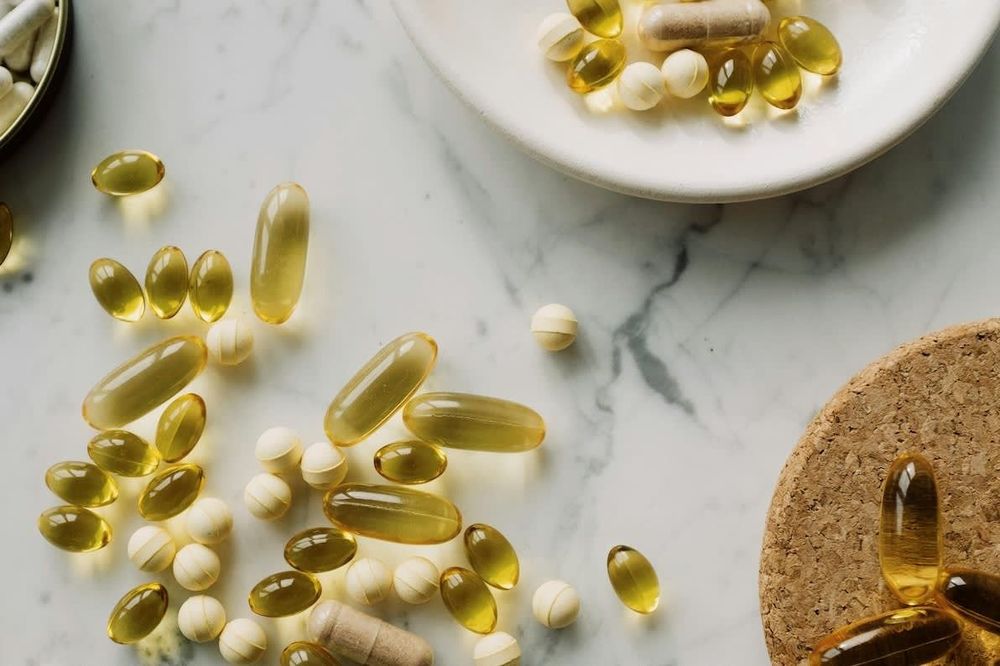
The elimination phase cuts grains, legumes, dairy, eggs, nuts, seeds, and nightshades. Each of those food groups carries nutrients your body still needs, so removing them opens predictable shortfalls. People often lose easy sources of magnesium, zinc, calcium, and certain B vitamins within the first few weeks. Smart AIP diet supplements fill these specific holes rather than adding random pills to your routine.
Autoimmune conditions raise the stakes because they damage the gut lining and reduce how well you absorb food. Roughly 70 percent of your immune system sits in the gut, which is why gut barrier health drives so much of the AIP approach. A leaky gut absorbs fewer nutrients even when you eat well, so supplementation often does real work here. The best autoimmune supplements target both the missing nutrients and the absorption problem behind them.
Track which foods you removed and look up what each one supplied. If you cut all seeds, you likely dropped magnesium and vitamin E at the same time, which tells you exactly where to start.
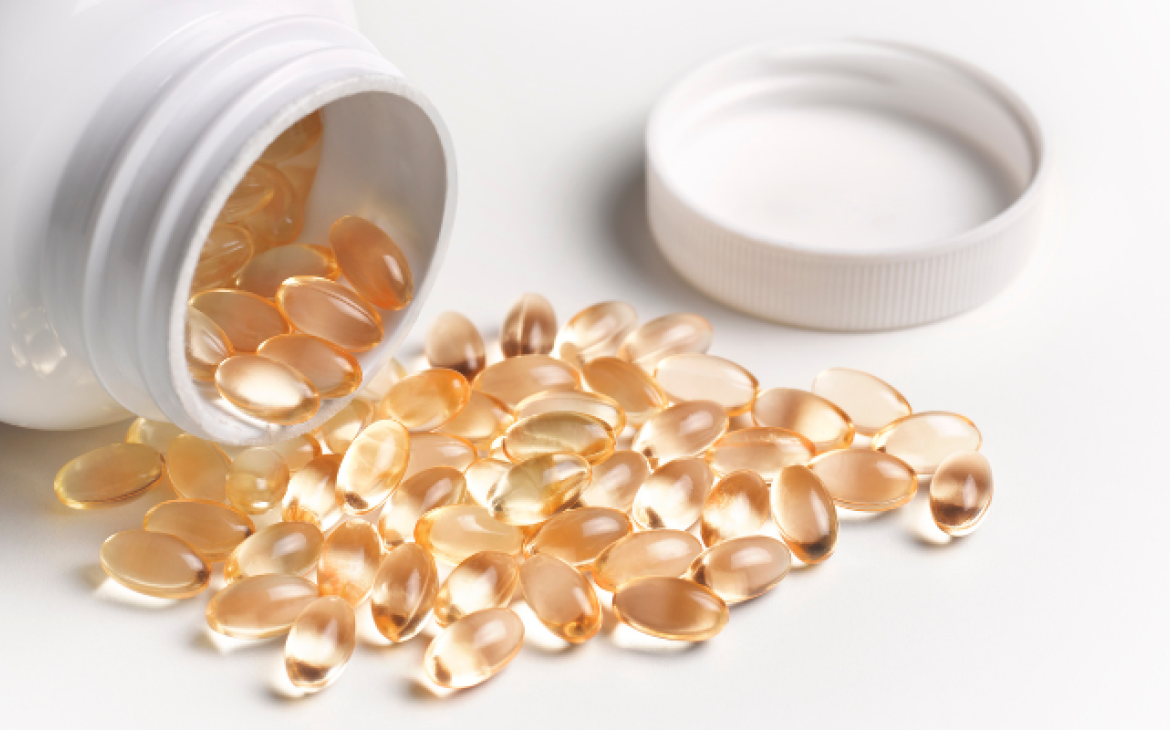
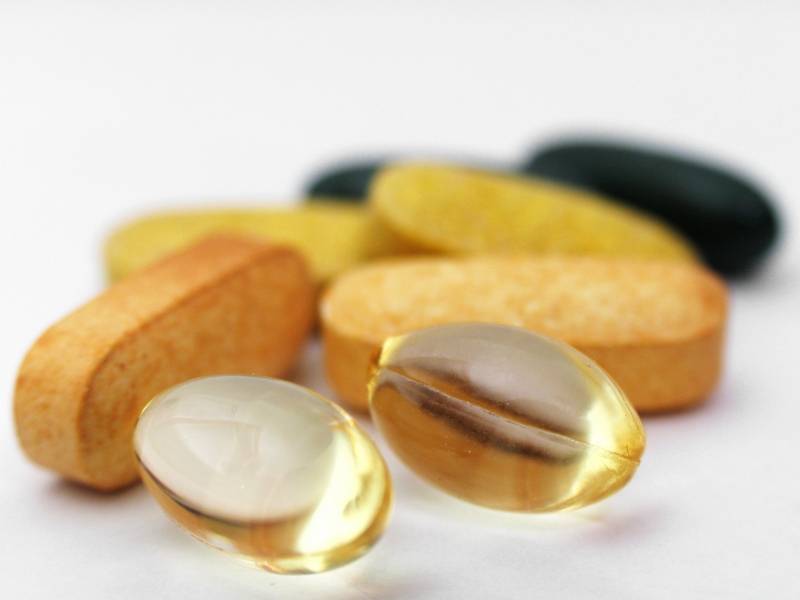
Most people on the protocol benefit from a small, focused stack rather than a drawer full of bottles. The supplements below show up most often because they address the gaps the diet creates and the inflammation the disease drives. Treat this as a starting map, not a prescription, since your labs decide the final list.
|
Supplement |
What it does on AIP |
Typical range (confirm with labs) |
|---|---|---|
|
Vitamin D3 |
Supports regulatory T cells that calm autoimmune attacks; commonly low in autoimmune patients. |
1,000 to 4,000 IU daily under supervision; test first. |
|
Omega-3 (EPA/DHA) |
Lowers inflammatory signaling and replaces fish intake lost during strict phases. |
1 to 4 g combined EPA/DHA depending on condition. |
|
Magnesium |
Replaces what nuts and seeds supplied; supports sleep, muscle function, and vitamin D use. |
Glycinate or citrate forms absorb better than oxide. |
|
Zinc |
Drives immune cell function and gut repair; drops when animal product variety shrinks. |
Balance with copper if used long term. |
|
Selenium |
Reduces thyroid antibodies in Hashimoto's and supports antioxidant defense. |
Around 200 mcg; do not stack multiple sources. |
|
Probiotics |
Rebuilds gut microbiome diversity central to the protocol's logic. |
Multi-strain products beat single-strain for diversity. |
One study detail worth knowing: in a small clinical trial of inflammatory bowel disease patients, the autoimmune protocol pushed 73 percent into clinical remission by week six. Supplements alone did not produce that result, but they support the diet doing the heavy lifting.
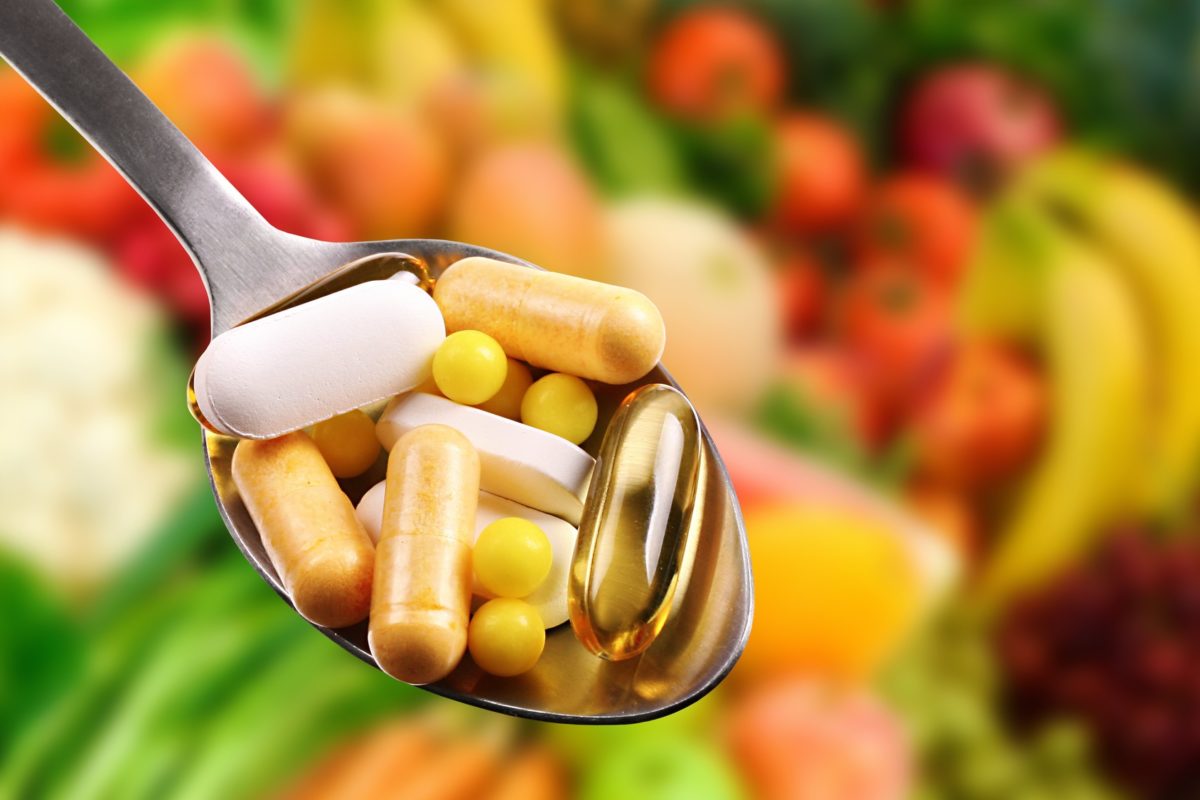
Vitamin A and autoimmune disease share a relationship most supplement lists ignore. Vitamin A and its active form, retinoic acid, help direct your immune system toward a calmer, more regulated response. Researchers describe how vitamin A increases regulatory T cells and shifts the immune balance away from the inflammatory Th1 pattern that drives many flares. This is why vitamin A and autoimmune disease research keeps appearing in studies on multiple sclerosis and related conditions.
Here is the catch that makes personalization essential. Vitamin A helps when you are deficient, yet doses above 10,000 IU daily in healthy adults raise the risk of toxicity and birth defects. The link between vitamin A and autoimmune disease swings both ways, so the same nutrient that steadies one person can harm another at the wrong dose. Only a blood test tells you which side of that line you stand on.
Never self-prescribe high-dose vitamin A while pregnant or trying to conceive. This is one of the clearest cases where guessing causes real harm and a lab-guided dose protects you.
Unsure Whether Vitamin A Helps or Hurts Your Case?
Let our doctors read your bloodwork and build the safe dose into a plan made only for you. Start your assessment with OnlineNutritionPlans.
The best autoimmune supplements list means little without a clear list of what to avoid. Several popular immune boosters stimulate the immune system broadly, which is the opposite of what an overactive immune system needs. Avoiding the wrong product matters as much as choosing the right one.
This is the core reason generic AIP diet supplements advice falls short. A product marketed as immune support can be exactly wrong for someone whose immune system already overreacts. Your diagnosis decides which of these belong nowhere near your routine.
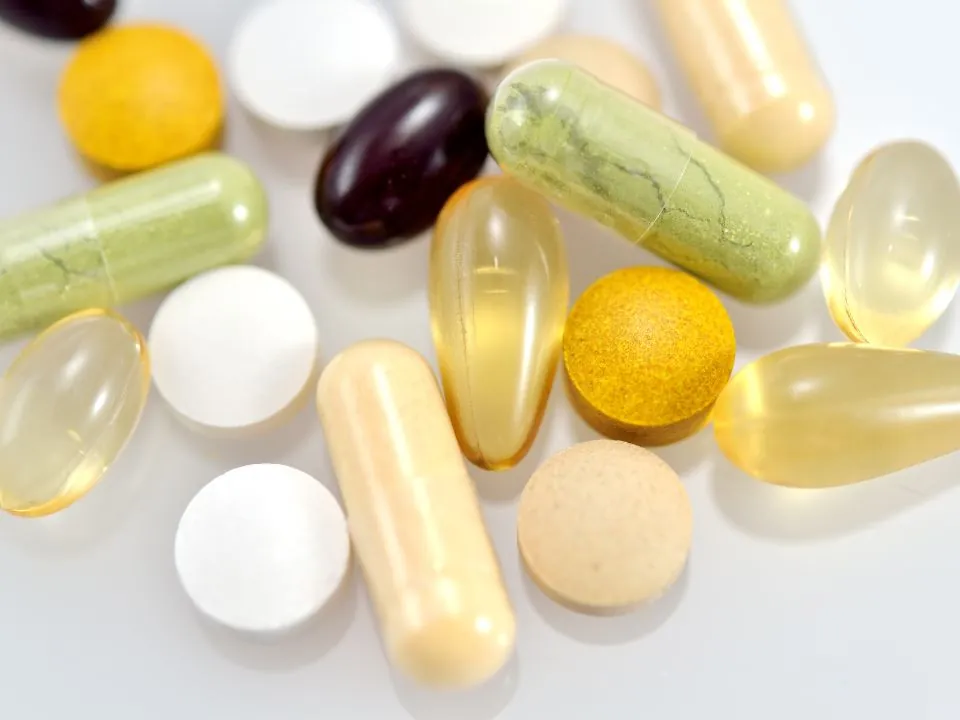
Different autoimmune diseases respond to different nutrients, so a one-size plan wastes money and time. The notes below show how the best autoimmune supplements shift based on diagnosis. Use them to ask better questions, not to start dosing on your own.
Selenium near 200 mcg daily has the strongest evidence for lowering thyroid antibodies. People with Hashimoto's should also limit high-dose iodine, since it can push the condition the wrong way. This is a clear example where the best autoimmune supplements depend entirely on the specific disease.
Omega-3 fatty acids around 4 g of combined EPA and DHA show the strongest specific evidence for joint symptoms. Curcumin from turmeric adds anti-inflammatory support that many patients tolerate well. Together these target the inflammatory pathways that drive joint pain and stiffness.
Vitamin D carries the most compelling evidence here, with some clinicians targeting higher blood levels under supervision. The vitamin A and autoimmune disease research also concentrates heavily on MS, which makes lab-guided dosing especially important for this group. Self-dosing fat-soluble vitamins without testing carries real risk.
Gut-focused support such as probiotics, glutamine, omega-3s, and zinc carnosine suits inflammatory bowel disease. Lupus patients often benefit from vitamin D and omega-3s while strictly avoiding immune-stimulating herbs. The contrast between these two conditions shows why your plan must start from your diagnosis, not a blog list.
Quality varies wildly between brands, and a cheap product can carry fillers that trigger symptoms. Choosing well protects the progress your diet earns. Three checks separate good AIP diet supplements from risky ones.
Expert view: In our clinical experience, most people improve faster by spending less on a crowded supplement shelf and more on testing plus a few well-chosen products. A focused stack guided by lab work consistently beats a drawer full of guesses. The goal is precision, not volume.
Begin with the basics that match your gaps, then add one product at a time. Adding several supplements at once hides which one helps and which one causes a reaction. Slow changes give you clean signals about what your body actually needs.
Retest your blood at regular intervals so you neither under-dose nor overshoot. Vitamin D, vitamin A, and iron all carry real risks when levels climb too high, which is why monitoring matters. Your supplement needs also shift as you move from the elimination phase into reintroduction. A plan that updates with your labs keeps your AIP diet supplements working in your favor over time.
Ready to Stop Guessing and Start With a Tested Plan?
Our team turns your blood work and lifestyle into a metabolic and AIP diet supplements plan that evolves with you. Build your plan now at OnlineNutritionPlans.
AIP diet supplements work best when they answer your specific gaps rather than a generic checklist. The same nutrient that calms one person's immune system can worsen another's, as the vitamin A and autoimmune disease research makes clear. Standard protocols cannot account for your labs, your medications, your lifestyle, or your diagnosis. A plan built from your own blood work and circumstances turns the best autoimmune supplements into real, lasting results.
Your body, your labs, your plan. Let our licensed doctors design AIP diet supplements and metabolic plans around the details that make you, you. Get started with OnlineNutritionPlans today
What supplements should I take on the AIP diet?
Most people start with vitamin D3, omega-3 fatty acids, magnesium, zinc, and a multi-strain probiotic. These cover the most common gaps the elimination phase creates. Your final list still depends on your blood work and your specific autoimmune condition.
Are AIP diet supplements safe to take with my medication?
Some supplements interact with immune-suppressing drugs and other prescriptions. Immune-stimulating herbs in particular can interfere with autoimmune medications. Always confirm interactions with a licensed provider before you combine supplements and prescriptions.
Is vitamin A good or bad for autoimmune disease?
Vitamin A helps regulate the immune system and can support a calmer response when you are deficient. The relationship between vitamin A and autoimmune disease turns risky at high doses, where toxicity becomes a real concern. A blood test settles whether you need it and at what dose.
What are the best autoimmune supplements for inflammation?
Omega-3 fatty acids and curcumin show the strongest evidence for lowering inflammatory signaling. Vitamin D supports immune balance behind the scenes. The best autoimmune supplements for your inflammation still depend on your diagnosis and your current nutrient levels.
Can supplements replace the AIP diet?
Supplements support the diet, but they do not replace whole foods or the elimination process. The protocol works by removing triggers and rebuilding gut health, which pills alone cannot do. Think of AIP diet supplements as reinforcement for the dietary work, not a shortcut around it.
How long before AIP diet supplements show results?
Many people notice changes within the first several weeks, though timelines vary by person and condition. Nutrient levels and gut healing respond gradually, so consistency matters more than speed. Retesting your blood gives you objective proof of progress rather than guesswork