The Autoimmune Protocol diet asks you to remove specific fruits during the elimination phase, and the right list is shorter and more specific than most blogs make it sound. A 2024 Mayo Clinic and Autoimmune Registry study estimated that over 15 million Americans live with at least one of 105 autoimmune diseases, and 34% of them carry more than one diagnosis. Diet matters at that scale, and fruit is one of the trickiest categories to get right because some "healthy" fruits are actually nightshades, some carry too much fructose for a healing gut, and some are perfectly fine in daily portions.
This guide tells you exactly which AIP fruits to avoid, which ones are safe to eat daily, and how to handle the gray-zone fruits that depend on your individual blood work and symptoms. Every entry shows a clear AIP compliance status so you do not have to guess.
The table below shows every fruit category readers ask about, the AIP compliance status for the elimination phase, and the reason behind each call. Use it as a shopping reference, then read the explanations below for context.
| Fruit | AIP Status | Why It Matters |
|---|---|---|
| Tomatoes (all varieties) | AVOID | Nightshade fruit; contains alkaloids that may aggravate autoimmune symptoms. |
| Goji berries | AVOID | Nightshade berry; the lectins and saponins disqualify it from the elimination phase. |
| Ground cherries | AVOID | Nightshade family; same reasoning as goji and tomatillos. |
| Tomatillos | AVOID | Nightshade; eliminated alongside tomatoes. |
| Pepino melons | AVOID | Nightshade fruit despite the melon-like name. |
| Cape gooseberries (Physalis) | AVOID | Nightshade berry; check supplement labels too. |
| Dates, raisins, figs, prunes | AVOID | Concentrated fructose load that can spike blood sugar and feed dysbiosis. |
| Canned fruits with additives | AVOID | Added sugars, preservatives, and gums work against gut healing. |
| Fruit juices and concentrates | AVOID | Fiber stripped, fructose concentrated; behaves like liquid sugar. |
| Bananas (overripe) | LIMIT | High glycemic load when ripe; small amounts of green banana are usually fine. |
| Mango, pineapple, very sweet grapes | LIMIT | High glycemic; cap intake to support stable blood sugar. |
| Plantains (ripe and sweet) | LIMIT | Green plantain is AIP-friendly; the ripe sweet form spikes glucose. |
| Berries (blueberry, strawberry, raspberry, blackberry) | SAFE | Low glycemic, antioxidant-dense, and gentle on gut healing. |
| Apples and pears | SAFE | Moderate fiber and steady fructose release; tolerated well by most. |
| Citrus (orange, lemon, lime, grapefruit) | SAFE | Compliant for most; people with histamine issues may need to limit. |
| Stone fruits (peach, plum, cherry, apricot) | SAFE | Whole fruits with fiber; cherries support uric acid balance. |
| Melons (watermelon, cantaloupe, honeydew) | SAFE | Hydrating and AIP-compliant in moderate portions. |
| Avocado | SAFE | Botanically a fruit; healthy fats make it an AIP staple. |
Status key: "AVOID" means remove the fruit during the elimination phase. "LIMIT" means a small portion may be tolerated, but daily intake is not recommended. "SAFE" means the fruit is AIP-compliant and most people can eat it daily in normal portions.
Nightshades sit at the top of the AIP elimination list, and most people only think of vegetables when they hear the word. The botanical truth is different: tomatoes, goji berries, ground cherries, tomatillos, pepino melons, and cape gooseberries are all nightshade fruits. The Solanaceae family contains compounds called glycoalkaloids, lectins, and saponins, and the AIP framework removes them because each one can irritate the gut lining and trigger immune flare-ups in sensitive people.
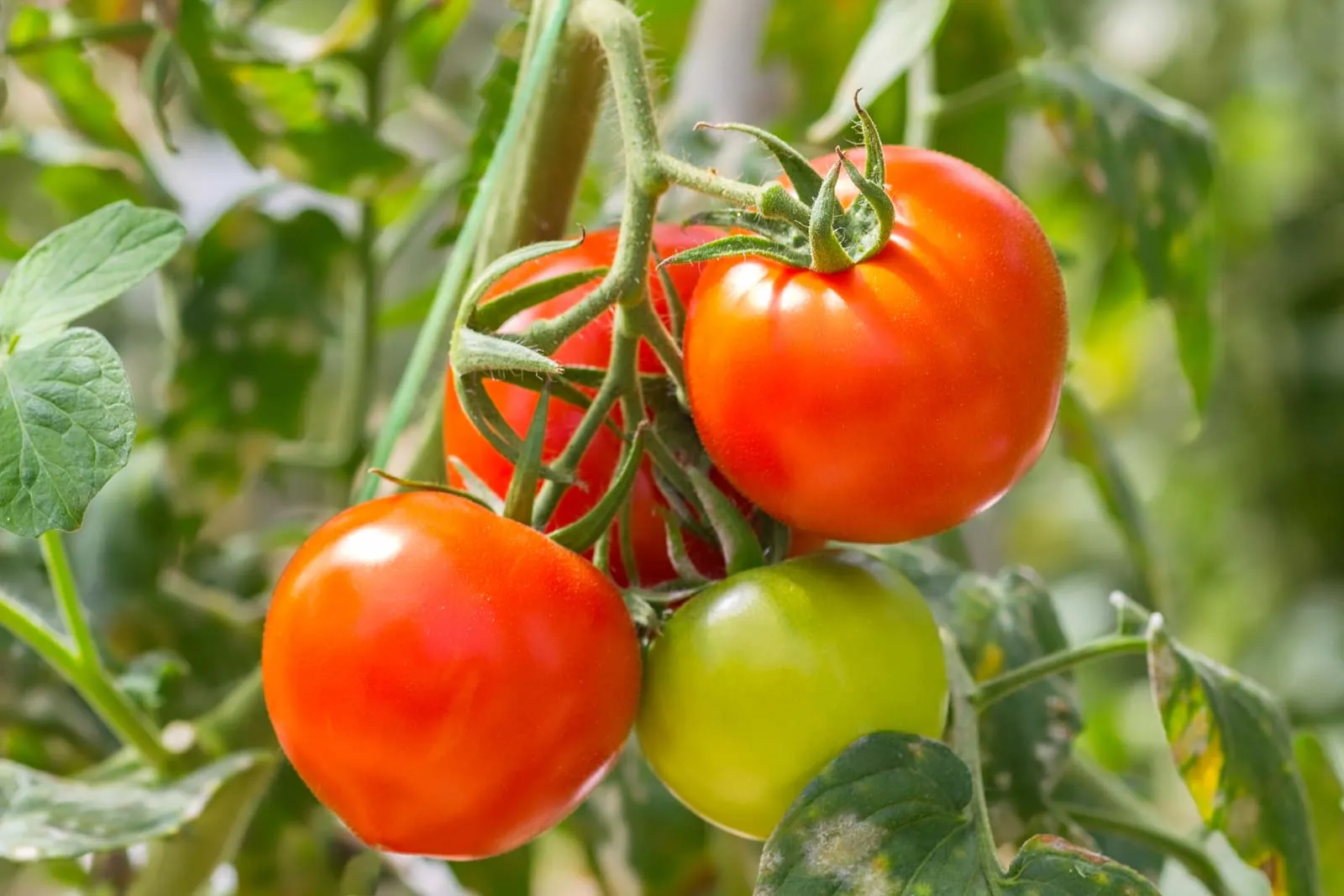
Tomatoes are botanically a fruit and a nightshade, which puts them firmly on the AIP avoid list. Cherry, heirloom, green, sun-dried, and canned tomatoes all share the same alkaloid profile. Replace tomato sauces with pumpkin or beet purée seasoned with garlic, olive oil, and herbs.
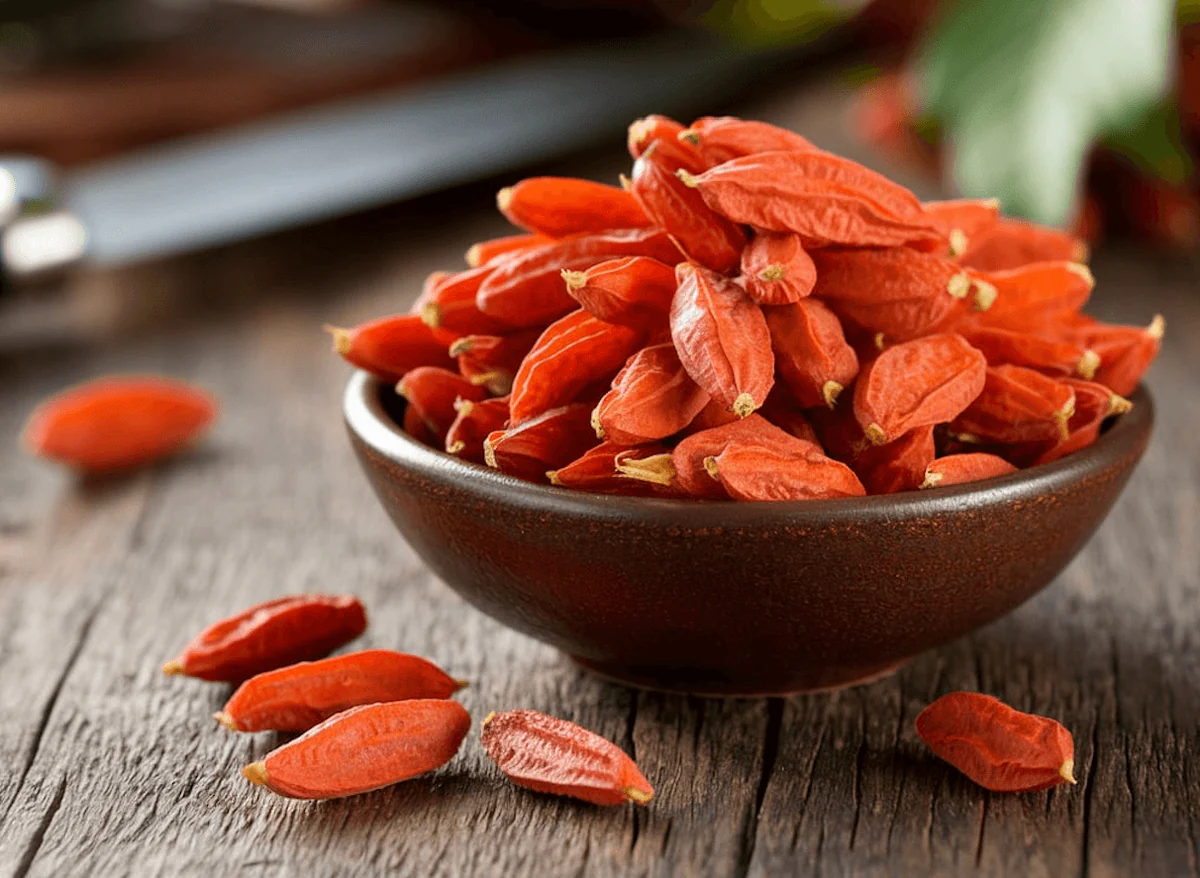
Goji berries hide in smoothie powders, trail mixes, and "superfood" supplements, and almost every list of AIP fruits to avoid leaves them out. Goji berries belong to the Solanaceae family alongside tomatoes and peppers, so they carry the same nightshade compounds. Read every supplement label carefully if you are following AIP strictly.
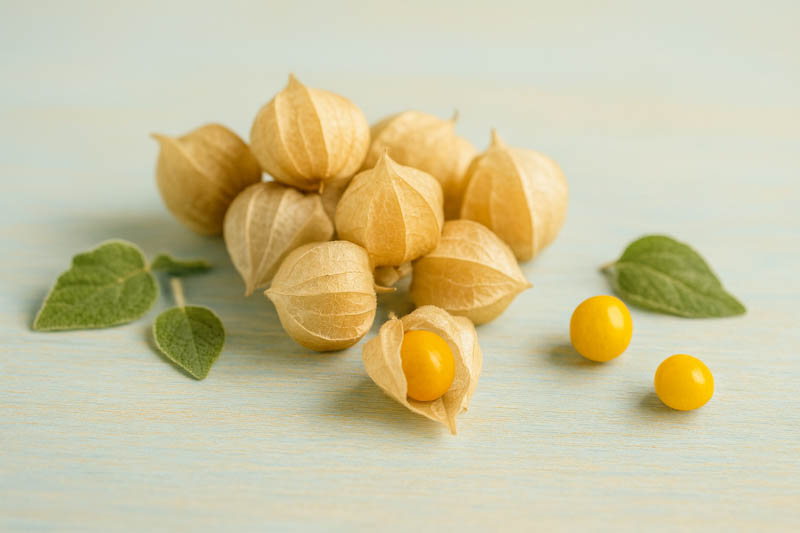
These four show up in farmers' markets and Mexican cuisine, and they all belong to the nightshade family. Ground cherries are not the same as regular cherries (cherries are AIP-safe; ground cherries are not). Cape gooseberries are also called Physalis, goldenberries, or Inca berries, and AIP rules out all of them during the elimination phase.
Goji berries are the single most missed nightshade fruit on AIP. They sneak into trail mixes, pre-workout blends, and antioxidant supplements, so check ingredients on every packaged item before you eat it.
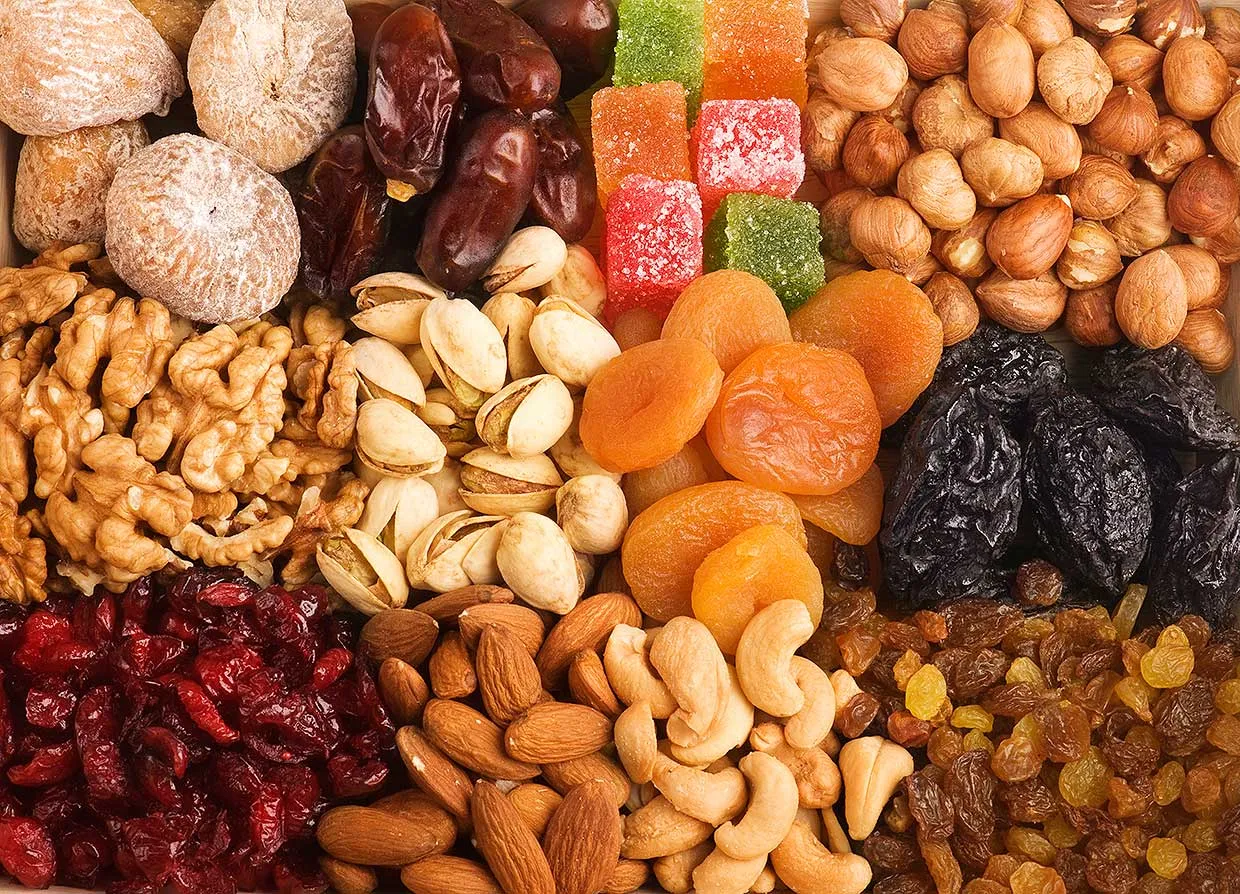
Dried fruits concentrate fructose and remove water, which turns a moderate snack into a sugar bomb. A single Medjool date contains roughly 16 grams of sugar in a 24-gram package, and three dates already exceed the 40-gram daily fructose ceiling that some AIP protocols set. The AIP framework removes dried dates, raisins, figs, prunes, dried apricots, and dried cranberries during the elimination phase because the sugar load can feed gut dysbiosis and spike blood glucose during a healing window.
Whole, fresh versions of these same fruits are usually fine in moderate portions. A handful of fresh figs in season is a different food from a bag of dried figs at the gas station, and your gut treats them differently.
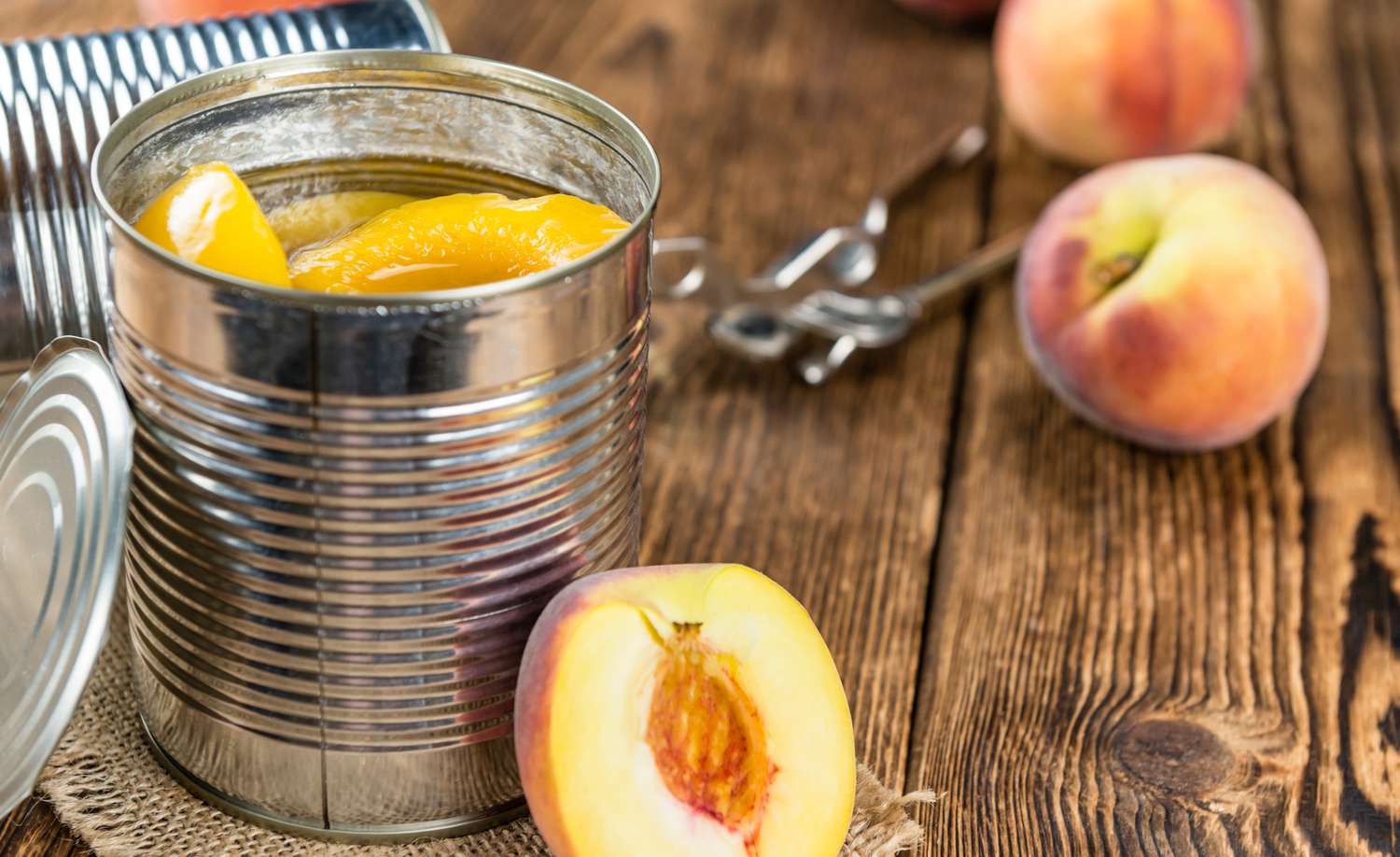
Canned fruits in syrup, fruit cocktails, and most jarred fruit products contain added sugars, preservatives, citric acid from corn, gums, and color stabilizers. Each of these additives can irritate a healing gut, and they cancel out the benefit of the fruit underneath. Skip them during the elimination phase.
Fruit juices and concentrates fail AIP for a different reason. Juicing strips fiber and concentrates fructose, and the result behaves more like soda than fruit. A 12-ounce glass of orange juice contains the sugar of three to four whole oranges with none of the fiber that slows absorption. Skip 100% juices, smoothies made with juice bases, and any concentrate during the elimination phase.
Frozen unsweetened fruit beats canned every time. The freezing process locks in nutrients without adding syrups or preservatives, and a bag of frozen wild blueberries is one of the most affordable AIP-compliant fruits you can stock.
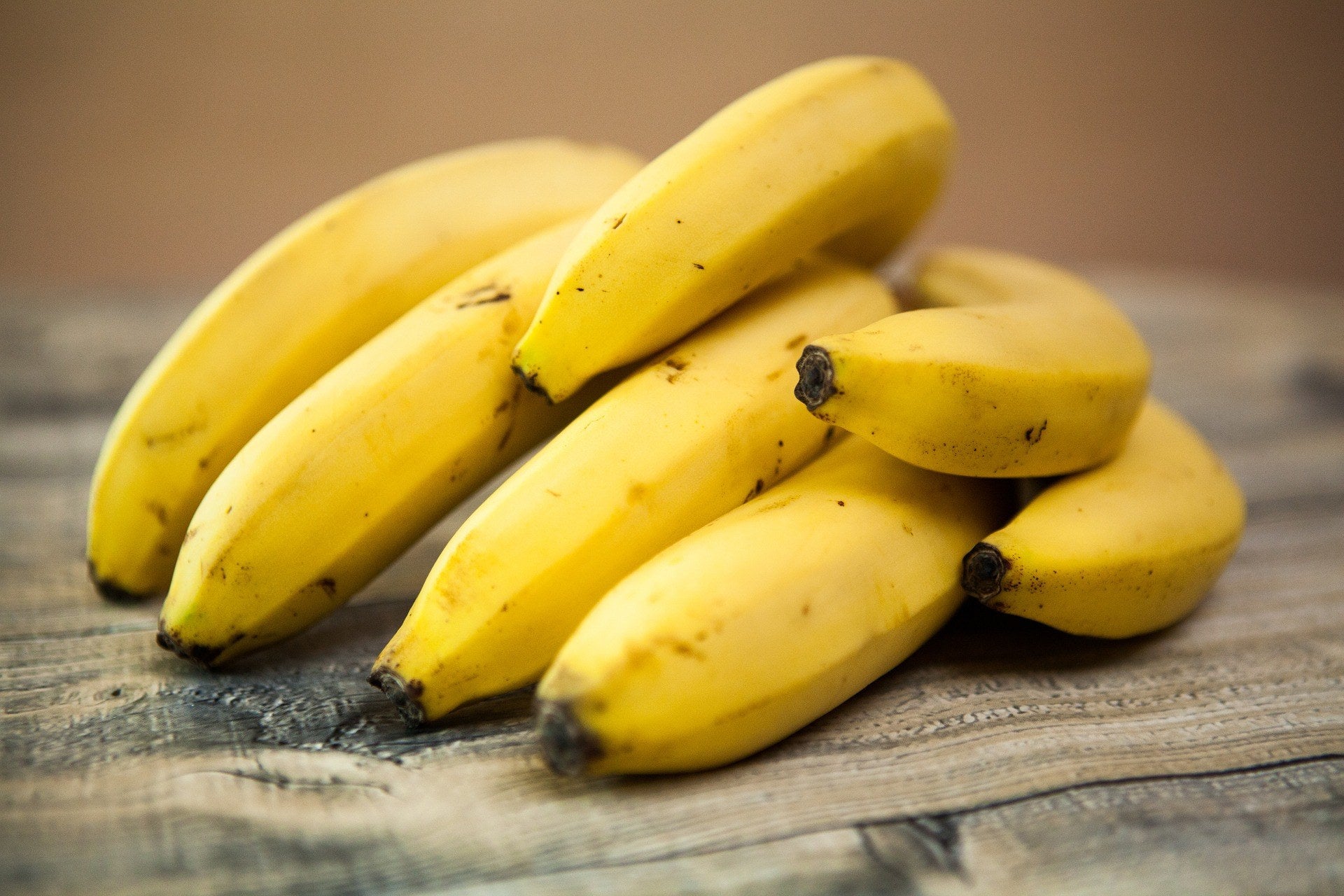
Bananas sit in a gray zone. The Paleo Mom and several AIP authors note that ripe bananas contain a compound called thaumatin-like protein that resembles a lectin, and that overripe bananas spike blood sugar quickly. Most practitioners place bananas on a limit list rather than a hard avoid list, and many people tolerate small portions of green or barely-ripe bananas without symptoms. If you are early in elimination or your inflammation is high, leave bananas out for the first 30 days and watch how you feel when you reintroduce them.
Mango, pineapple, very sweet grapes, and ripe sweet plantains belong on the same limit list. Each one carries a higher glycemic load than berries or apples, and high blood sugar fuels inflammation, which is the exact pattern AIP tries to break. Green plantain, by contrast, is AIP-friendly and works well as a starch alternative.
The 10-to-40 gram fructose ceiling matters more than the specific fruit. Dr. Sarah Ballantyne and other AIP authorities suggest most people on AIP should keep daily fructose between 10 and 40 grams, which translates to roughly 1 to 2 servings of whole fruit per day.
Generic AIP lists ignore your blood work, your medication interactions, your histamine load, and the autoimmune disease you actually have. Our licensed physicians design diet, metabolic, and lifestyle plans around your labs and your life. Get your personalized plan at OnlineNutritionPlans.com →
Most fruit is AIP-friendly, and the elimination phase is not a fruit-free phase. The fruits below give you fiber, antioxidants, and steady energy without triggering the compounds AIP removes.
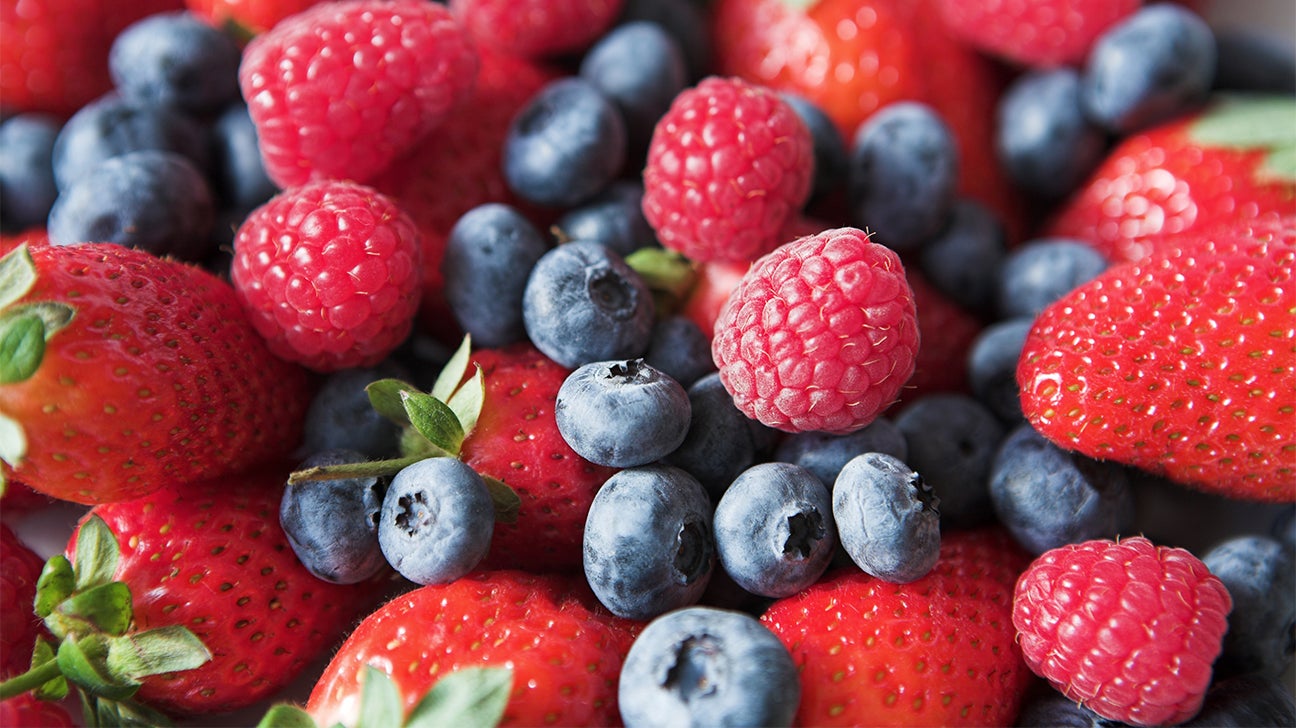
Blueberries, strawberries, raspberries, and blackberries are the gold standard of AIP fruits. Each cup delivers anthocyanins and polyphenols that support gut and immune balance, and the glycemic load stays low. A half-cup to one-cup serving once or twice a day fits comfortably inside the AIP fructose range.
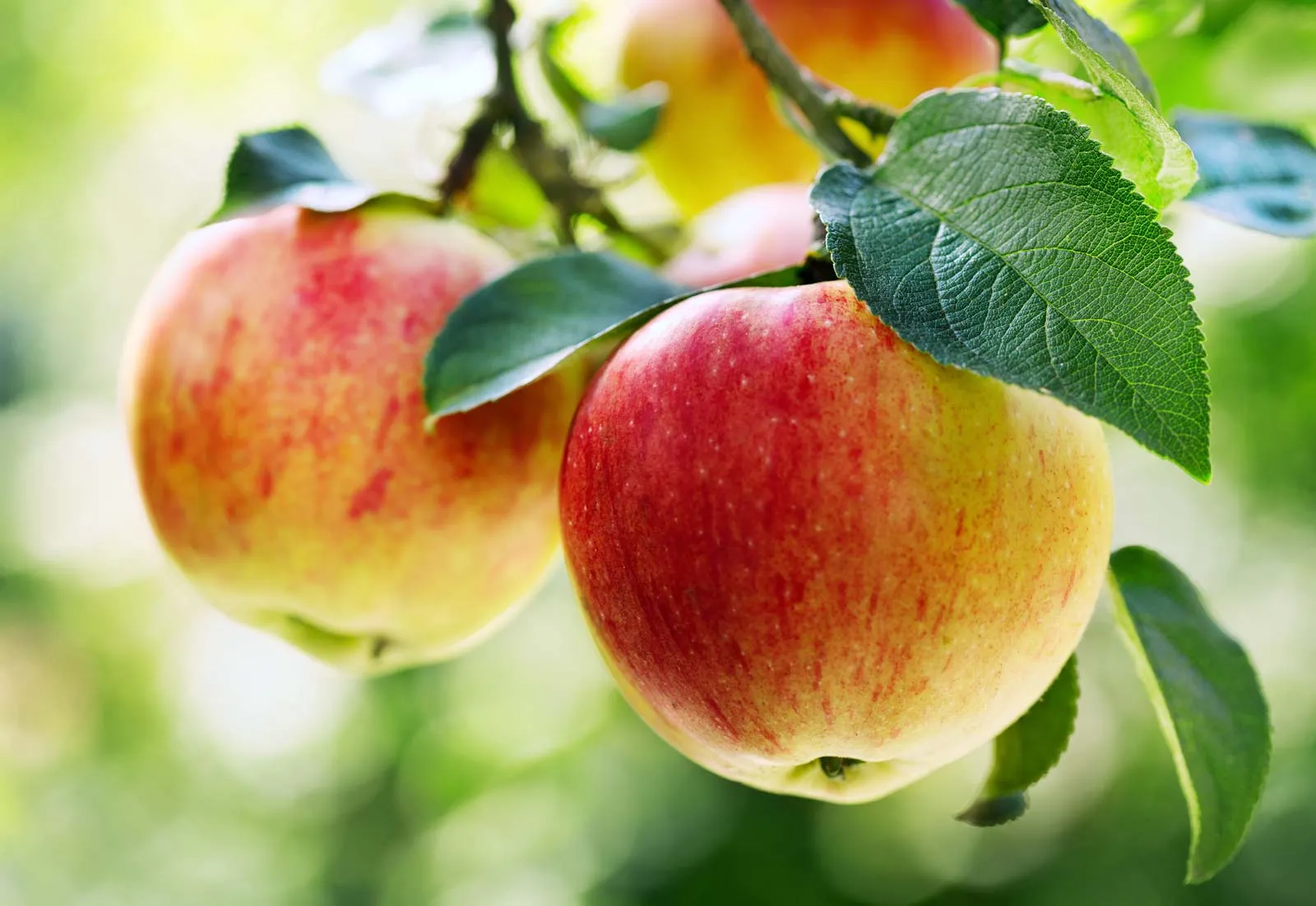
Apples and pears bring soluble fiber, especially pectin, that supports the gut microbiome during elimination. One medium apple a day is a reasonable portion. Stewed apples are particularly soothing if you have any digestive irritation.
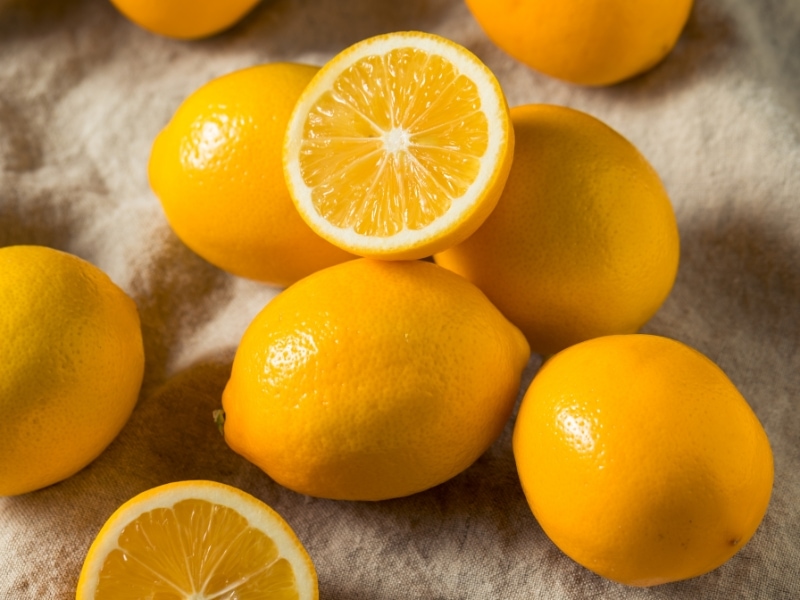
Oranges, lemons, limes, and grapefruit are AIP-compliant in the standard protocol. People with histamine intolerance or mast cell issues sometimes react to citrus, so watch your symptoms after reintroducing them. Note also that grapefruit interacts with many slow-release medications, including statins and some immunosuppressants, so check your prescription list before adding daily grapefruit.
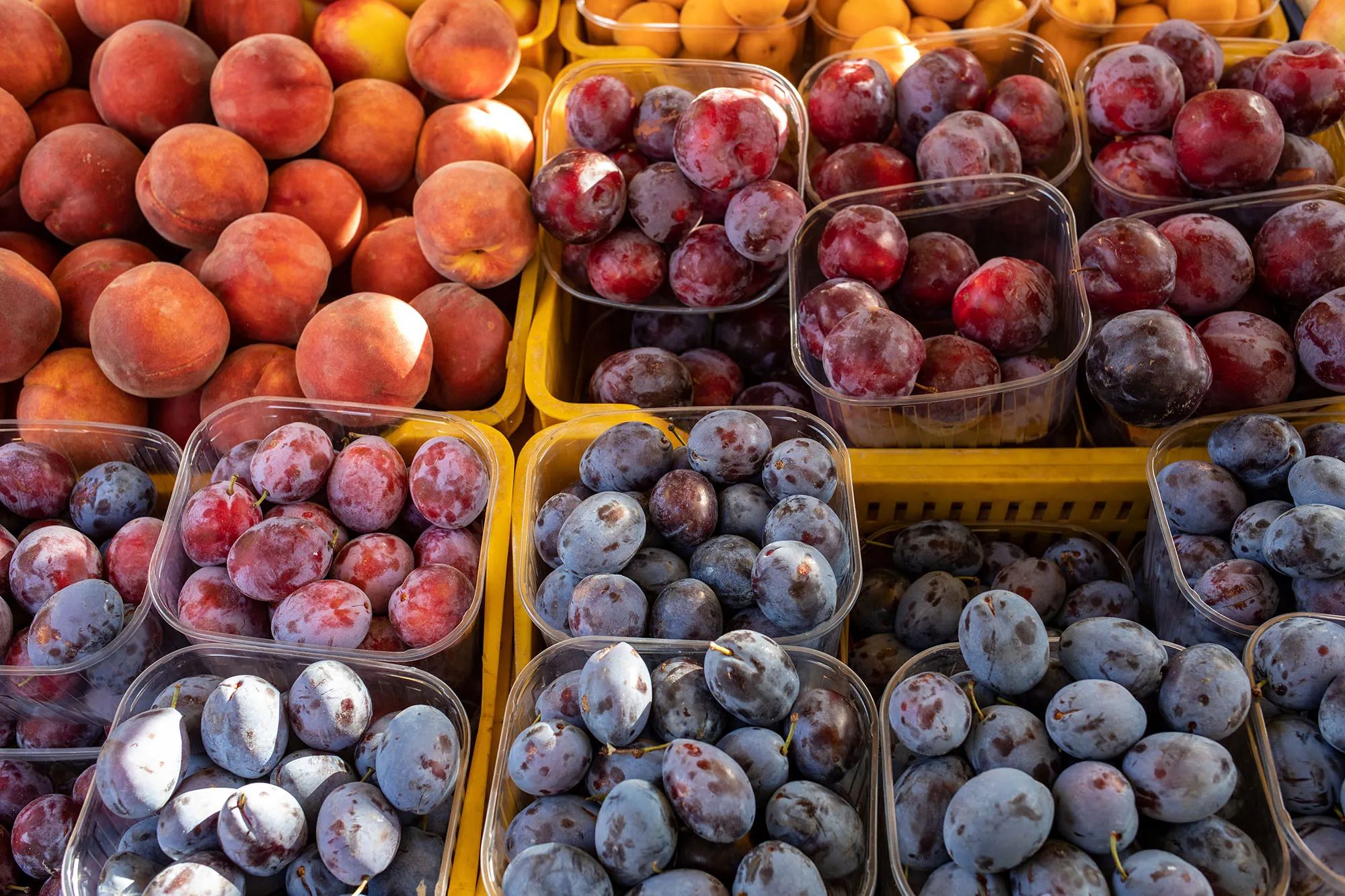
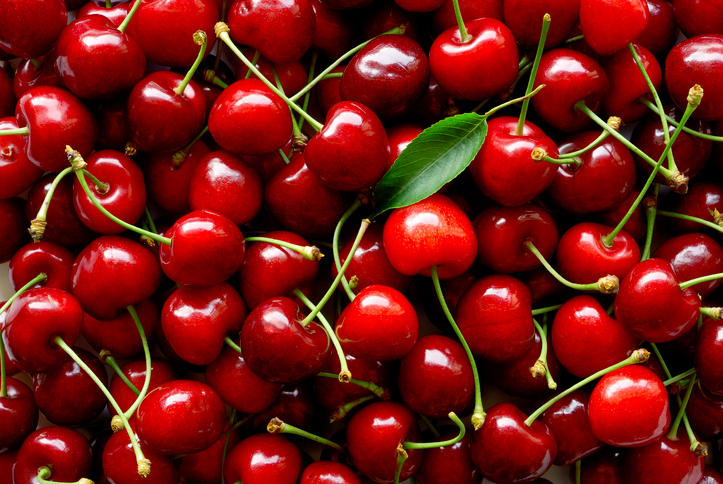
Peaches, plums, apricots, cherries, watermelon, cantaloupe, and honeydew are all AIP-compliant in moderate portions. Tart cherries deserve a special mention because research links them to lower uric acid and reduced gout flares, which matters for people with autoimmune arthritis.
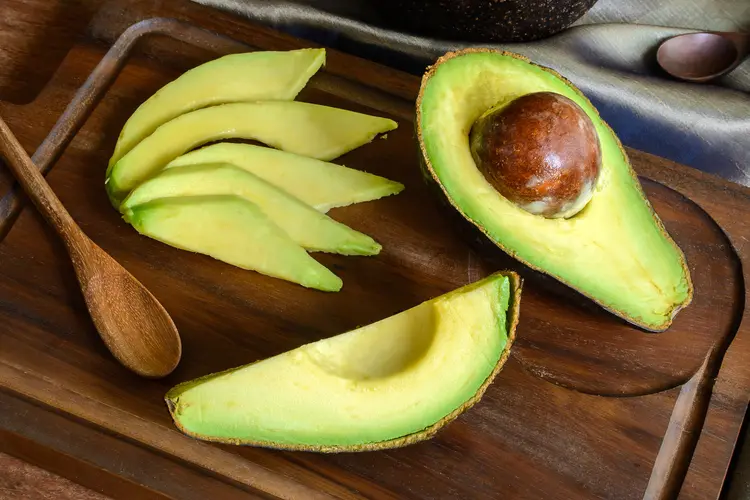
Avocado is botanically a fruit, and the AIP framework treats it as a daily-friendly food. The monounsaturated fats and fiber make it one of the most filling AIP foods you can add to a meal. Half an avocado per meal is a typical serving.
Standard AIP protocols give you a starting point, not a finish line. Two people with Hashimoto's thyroiditis can react to fruit very differently because their gut microbiomes, histamine sensitivity, fasting glucose, ferritin levels, and medication profiles all differ. A plan built around generic rules can stall your healing, and a plan built around your blood tests, your current condition, your lifestyle, and your circumstances can move the needle on symptoms you have lived with for years.
This is exactly why our team at OnlineNutritionPlans builds every metabolic, autoimmune, and lifestyle plan around your individual labs and history. Licensed physicians review your blood work, your symptoms, and your goals before they design your protocol, which means your fruit list ends up matched to your real biology rather than a one-size-fits-all template.
Autoimmune disease is rising, and food choices matter at scale. The same Mayo Clinic study estimated overall U.S. autoimmune prevalence at 4.6% of the population, and a 2022 NIH-linked review reported that worldwide autoimmune incidence climbs by approximately 19.1% per year. Antinuclear antibody prevalence (a common autoimmune biomarker) rose from 11.0% in 1988 to 16.1% in the most recent NHANES sample, and adolescents showed the steepest jump. Diet does not cause autoimmunity on its own, but the elimination phase of AIP is one of the few tools you control, and getting fruit right is one of the easier wins inside it.
Standard AIP protocols are not designed for your specific autoimmune diagnosis, your blood work, or your medication profile. Our licensed physicians review your labs, your history, and your symptoms before they build a diet, metabolic, and lifestyle plan that fits your actual biology. Get your personalized plan at OnlineNutritionPlans.com →
The AIP fruits to avoid list is shorter than most blogs make it sound. Remove all nightshade fruits (tomatoes, goji berries, ground cherries, tomatillos, pepino melons, cape gooseberries), all dried fruits, all canned fruits with additives, and all fruit juices and concentrates. Limit bananas, mango, pineapple, and very sweet grapes. Eat berries, apples, pears, citrus, stone fruits, melons, and avocado freely inside a 1-to-2-serving daily window. Track your symptoms, pair fruit with fat or protein, and adjust the list to your specific labs and condition with help from a licensed physician.
Standard protocols give you a baseline. A plan built around your blood tests, your current condition, your lifestyle, and your circumstances gives you results.