Yes, an anti-inflammatory diet can help you lose weight, but not simply by restricting calories. Chronic inflammation is the underlying driver. By removing triggers like refined sugars and processed foods, and building meals around omega-3-rich fish and leafy greens, you gradually remove the metabolic roadblock. Most people notice reduced bloating within two weeks, and measurable fat loss begins by week four to six. Clinical trials show significant reductions in both body weight and inflammatory markers within eight to twelve weeks of consistent effort.
You have probably tried counting calories, cutting carbs, and tracking every macro. Nothing moved the needle. If you live with an autoimmune condition, that stubborn weight gain likely has less to do with willpower and more to do with chronic inflammation quietly disrupting your metabolism.
An anti-inflammatory diet for weight loss targets that root cause. Instead of restricting food groups blindly, this approach focuses on reducing the inflammatory signals that drive insulin resistance, fluid retention, and fat storage. Research published in Nutrients found that participants following an energy-restricted anti-inflammatory diet lost an average of 7.1% of their body weight and reduced visceral fat by 22.3% over six months.
But here is the catch: the foods that trigger inflammation vary from person to person, especially when autoimmune conditions enter the picture. A food that calms inflammation in one body can flare it in another. That is why cookie-cutter meal plans rarely deliver lasting results for people managing conditions like Hashimoto's, rheumatoid arthritis, or lupus.
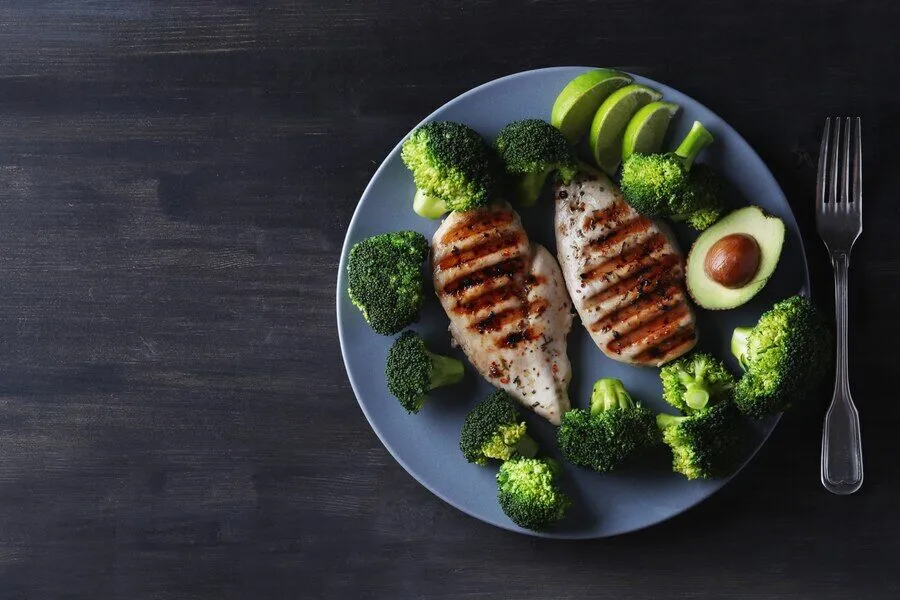
Chronic inflammation does not just make your joints ache or your skin flare. It actively sabotages your ability to lose weight through several biological pathways that most generic diet plans completely ignore.
When inflammatory markers like C-reactive protein (CRP), interleukin-6 (IL-6), and tumor necrosis factor alpha (TNF-alpha) stay elevated, your body shifts into defensive mode. Insulin sensitivity drops, meaning your cells struggle to absorb glucose efficiently. Your body stores more energy as fat, particularly around the midsection, and your hunger hormones go haywire.
Excess visceral fat then produces even more inflammatory cytokines, creating a vicious feedback loop. You gain weight because of inflammation, and the extra weight increases inflammation further. A 2022 meta-analysis in Advances in Nutrition confirmed that Western-style diets high in processed food significantly raise these inflammatory biomarkers compared to whole-food dietary patterns.
Weight alone does not tell the full story when inflammation is involved. Water retention from inflammatory flares can mask real fat loss. Ask your doctor about tracking CRP levels alongside your weight to measure actual progress.
An anti-inflammatory diet is not a branded program with rigid meal plans. It describes a pattern of eating that prioritizes foods shown to lower inflammatory markers while limiting those that raise them. The Mediterranean diet and the DASH diet both fall under this umbrella, and both carry strong clinical evidence.
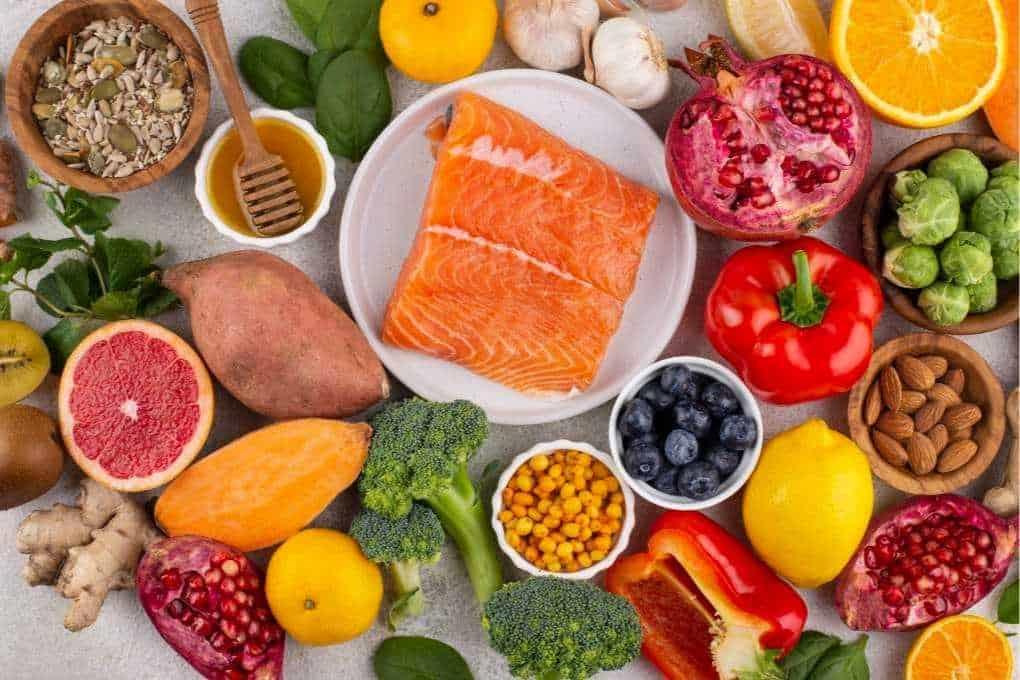
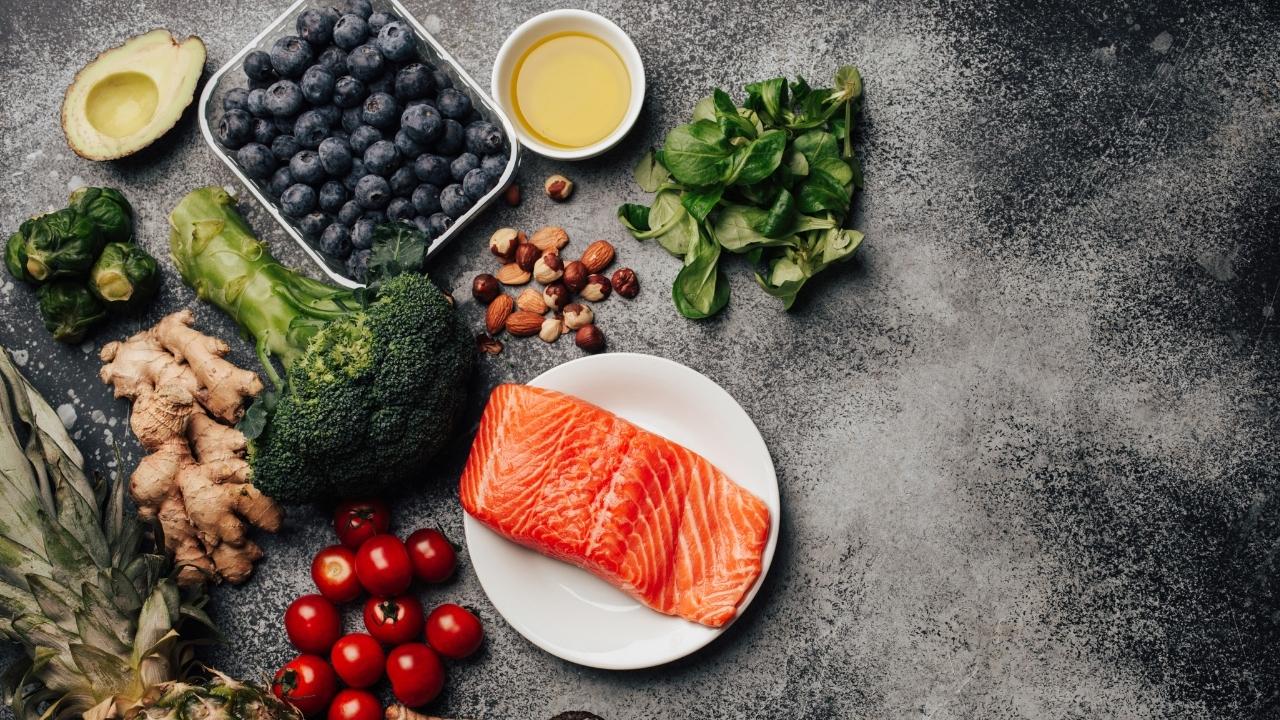
The most effective anti-inflammatory foods share common traits: high amounts of omega-3 fatty acids, polyphenols, fiber, and antioxidants. Fatty fish like salmon, sardines, and mackerel top the list because they deliver EPA and DHA directly. Leafy greens, berries, turmeric, ginger, and extra-virgin olive oil each target different inflammatory pathways.
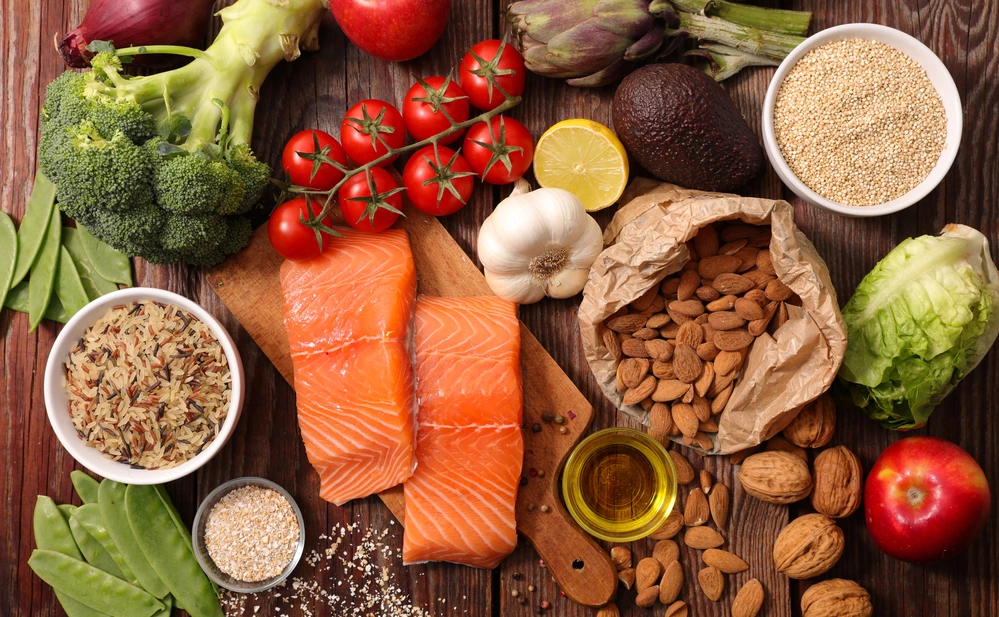
Cruciferous vegetables like broccoli and Brussels sprouts contain sulforaphane, a compound that blocks enzymes linked to joint inflammation. Walnuts and flaxseeds provide plant-based omega-3s for people who cannot eat fish regularly. Green tea delivers EGCG, a polyphenol with anti-inflammatory effects confirmed in multiple clinical trials.
Refined sugars, trans fats, processed seed oils high in omega-6 fatty acids, and ultra-processed foods drive inflammatory responses. Nearly 60% of the average American's daily calories come from ultra-processed foods, according to NIH data. Reducing that percentage represents one of the single biggest dietary changes you can make for both inflammation and weight management.
Alcohol, artificial sweeteners, and refined grains also contribute to elevated inflammatory markers. Red meat is not inherently inflammatory, but conventionally raised, grain-fed beef contains higher omega-6 levels than grass-fed alternatives.
Our ancestors consumed omega-6 and omega-3 fatty acids at roughly a 2:1 ratio. Most people today consume them at a 15:1 or even 25:1 ratio. Correcting this imbalance by eating more fatty fish and fewer processed seed oils can meaningfully lower systemic inflammation.
Yes, but not in the way most people expect. An anti-inflammatory diet does not cause weight loss through calorie restriction alone. It works by removing the metabolic roadblocks that prevent your body from burning stored fat efficiently.
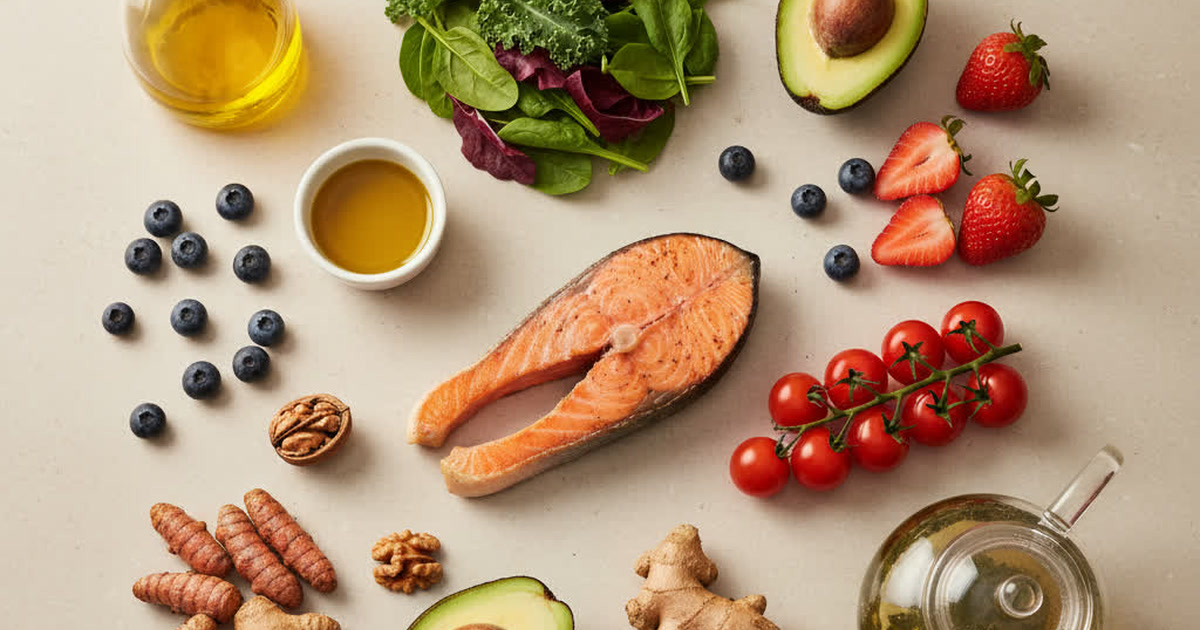
A randomized controlled trial at the Clinical Hospital Centre Rijeka followed 81 participants on an energy-restricted anti-inflammatory diet for six months. The results showed significant reductions in body weight, visceral fat, and waist circumference. Inflammatory markers dropped substantially: CRP fell by 29.5%, IL-6 decreased by 18.2%, and TNF-alpha dropped by 34.2%.
Many people who hit weight loss plateaus on conventional diets find that removing inflammatory trigger foods restarts their metabolism. The bloating, water retention, and hormonal disruption caused by chronic inflammation can mask real progress for weeks or months.
Key takeaway: Weight loss from an anti-inflammatory diet tends to feel slower but proves more sustainable than crash diets. You lose actual fat tissue rather than water weight, and you address the underlying condition driving the weight gain.
If you live with Hashimoto's thyroiditis, rheumatoid arthritis, lupus, psoriasis, or another autoimmune condition, a standard anti-inflammatory diet template will not cut it. Autoimmune diseases involve a dysregulated immune system that attacks healthy tissue, and certain foods labeled "anti-inflammatory" for the general population can actually trigger flares in your specific condition.
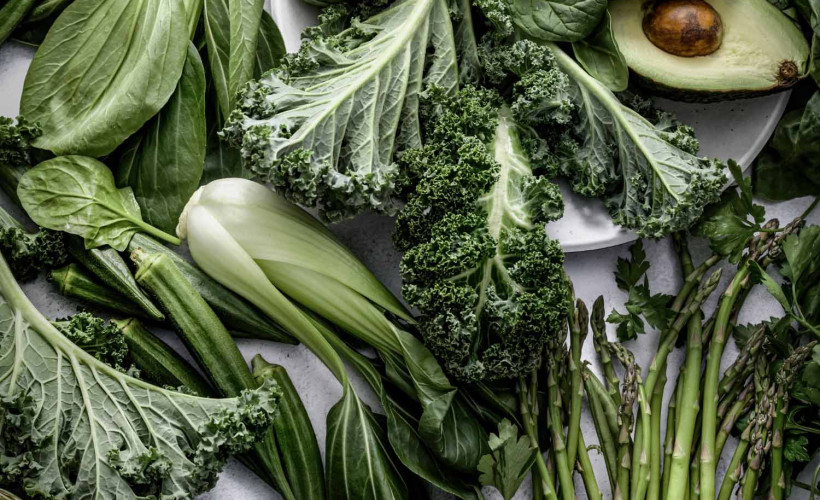
Nightshade vegetables like tomatoes and peppers contain alkaloids that worsen symptoms in some autoimmune patients but cause zero issues in others. Eggs, dairy, and even certain nuts can act as immune triggers depending on your individual antibody profile. Without blood work to identify your specific sensitivities, you are essentially guessing.
Medications commonly used in autoimmune management, including corticosteroids and immunosuppressants, also affect metabolism, fluid retention, and nutrient absorption. A diet plan that ignores your medication profile misses a critical piece of the puzzle.
Your Anti-Inflammatory Plan Should Be as Unique as Your Condition
At OnlineNutritionPlans.com, licensed doctors build personalized metabolic, dietary, and lifestyle plans based on your blood tests, autoimmune diagnosis, medications, and health goals. No generic templates. Get a plan designed specifically for your body.
Before changing anything, get blood work done. Request a complete metabolic panel, high-sensitivity CRP, fasting insulin, thyroid panel (including antibodies if you suspect Hashimoto's), and a lipid panel. These numbers tell you where your inflammation stands right now and give you a baseline to measure progress against.
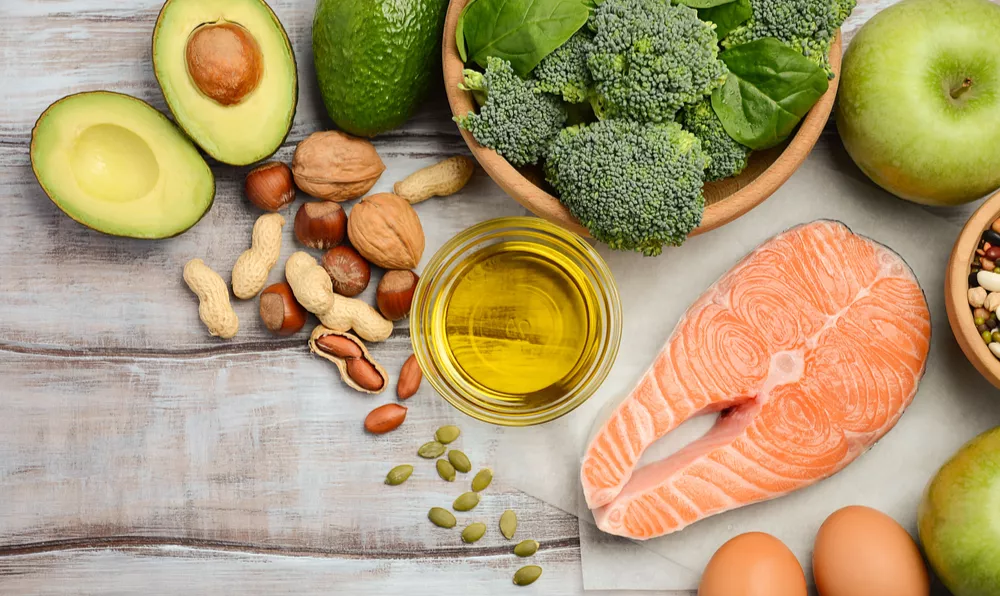
Remove ultra-processed foods, refined sugars, and industrial seed oils (soybean, corn, sunflower, and safflower oil) for at least three weeks. These foods drive inflammation in virtually everyone, regardless of condition. Replace them with whole foods, healthy fats like olive oil and avocado, and clean protein sources.
Add fatty fish two to three times per week. Increase your intake of leafy greens, berries, and cruciferous vegetables. Start using turmeric (with black pepper to boost absorption) and ginger daily. Build meals around these foods rather than treating them as afterthoughts.
Use a structured elimination protocol or work with a practitioner who can order food sensitivity testing. Common culprits for autoimmune patients include gluten, dairy, eggs, soy, corn, and nightshades. Reintroduce foods one at a time over three-day intervals and track symptoms carefully.
Sleep deprivation increases CRP levels by up to 25% in otherwise healthy adults. Chronic stress elevates cortisol, which drives both inflammation and abdominal fat storage. No diet plan works in isolation. You need to address sleep quality, stress management, and movement alongside your food choices.
Aim for anti-inflammatory food choices 80% of the time rather than chasing perfection. Dietary rigidity creates psychological stress, and stress itself fuels inflammation. Consistency over weeks and months matters far more than perfection on any single day.
Wild-caught salmon scramble with spinach and turmeric, cooked in extra-virgin olive oil. Side of mixed berries.
Large mixed green salad with grilled chicken, avocado, walnuts, red onion, and a lemon-olive oil dressing. Bone broth on the side.
Handful of raw almonds with a small green apple.
Baked mackerel with roasted broccoli, sweet potato, and fresh ginger-garlic sauce.
Golden milk (turmeric, cinnamon, black pepper, unsweetened almond milk).
This sample day delivers omega-3 fatty acids from two fish sources, polyphenols from berries and greens, anti-inflammatory compounds from turmeric and ginger, and fiber from vegetables and whole foods. Total calories fall naturally into a moderate range without strict counting.
Keep in mind that this is a general example. Your optimal meal plan depends on your specific condition, blood markers, food sensitivities, and caloric needs. A person managing Hashimoto's may need different macronutrient ratios than someone with rheumatoid arthritis.
Keto diets produce rapid initial weight loss, mostly from water and glycogen depletion. They can reduce some inflammatory markers short-term, but long-term adherence is tough for most people. High saturated fat intake from conventional keto can actually increase inflammation in some autoimmune patients.
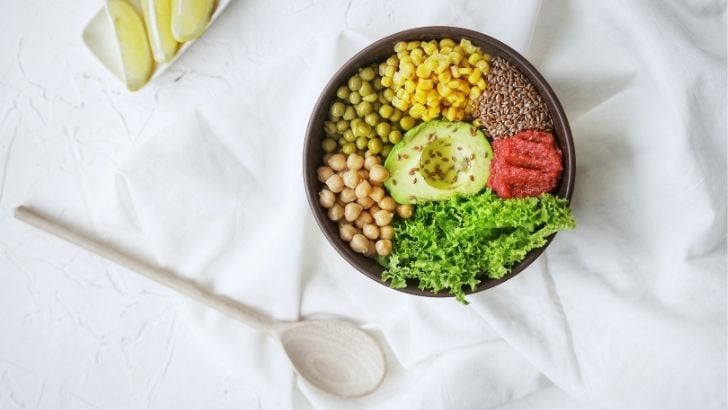
Paleo diets overlap significantly with anti-inflammatory eating by eliminating processed foods, grains, and dairy. The autoimmune protocol (AIP) takes this further by also removing eggs, nuts, seeds, and nightshades during an initial elimination phase. AIP can be highly effective but is difficult to sustain without professional guidance.
Low-carb diets reduce insulin spikes and can lower inflammation, but the quality of food matters more than the carbohydrate count alone. A low-carb diet built around processed deli meats and cheese produces a very different inflammatory response than one centered on fish, vegetables, and healthy fats.
The best approach combines anti-inflammatory food principles with a caloric framework tailored to your metabolic rate, activity level, and health condition. No single named diet fits every person with an autoimmune condition.
Stop Guessing. Start With Your Blood Work.
A personalized plan from OnlineNutritionPlans.com starts with your actual lab results, not generic food lists. Our licensed doctors analyze your blood markers, autoimmune diagnosis, and lifestyle to create a metabolic and nutrition plan built for your body. Visit OnlineNutritionPlans.com to get started.
Q: How long does it take to lose weight on an anti-inflammatory diet?
Most people notice reduced bloating and water retention within the first one to two weeks. Measurable fat loss typically begins around week four to six, with significant body composition changes appearing between weeks eight and twelve. People with autoimmune conditions may experience a slower initial response because their inflammatory baseline runs higher. Consistency matters more than speed.
Q: Can I follow an anti-inflammatory diet while taking autoimmune medications?
Yes, and in many cases the diet complements your medication protocol. However, certain foods interact with specific drugs. Grapefruit affects how the body metabolizes some immunosuppressants, and vitamin K-rich greens can interfere with blood thinners. Always coordinate dietary changes with your prescribing physician, and ideally work with a practitioner who understands both your medication and nutrition needs.
Q: Is the anti-inflammatory diet the same as the Mediterranean diet?
The Mediterranean diet is one form of anti-inflammatory eating, but not the only one. Anti-inflammatory diets share core principles (whole foods, omega-3s, polyphenols, minimal processed food) but can adapt to different cultural food traditions, personal preferences, and medical needs. Autoimmune patients often need additional modifications beyond standard Mediterranean guidelines, such as removing gluten, dairy, or nightshades.
Q: Do I need to count calories on an anti-inflammatory diet?
Strict calorie counting is usually unnecessary. Anti-inflammatory whole foods naturally regulate appetite through higher fiber and protein content. However, if weight loss stalls after several weeks, tracking portions temporarily can help identify whether you consume more calories than your body needs, especially from calorie-dense foods like nuts, oils, and avocados.
Q: What blood tests should I ask for before starting this diet?
Request a high-sensitivity CRP test, fasting insulin, hemoglobin A1c, a complete thyroid panel (TSH, free T3, free T4, and thyroid antibodies), a comprehensive metabolic panel, and a lipid panel. These markers establish your inflammatory and metabolic baseline. Repeat them after 8 to 12 weeks to objectively measure your dietary progress.
Q: Why do generic anti-inflammatory diet plans fail for autoimmune patients?
Generic plans assume the same foods reduce inflammation in every body. Autoimmune conditions involve unique immune responses, antibody profiles, and gut microbiome compositions that differ from person to person. A food that calms inflammation in a healthy person can trigger an immune response in someone with Hashimoto's, lupus, or MS. Effective plans require personalization based on blood work, symptom history, and individual trigger identification.
An anti-inflammatory diet can absolutely support weight loss, especially for people whose excess weight connects directly to chronic inflammation and autoimmune dysfunction. The research backs this approach, and the mechanism makes biological sense: reduce inflammation, restore insulin sensitivity, and your body releases stored fat more efficiently.
But the difference between mediocre results and transformative ones comes down to personalization. Your blood markers, your autoimmune condition, your medications, your stress levels, and your food sensitivities all shape what your ideal anti-inflammatory plan looks like. A plan built around generic food lists will take you part of the way. A plan built around your specific biology will take you the rest.