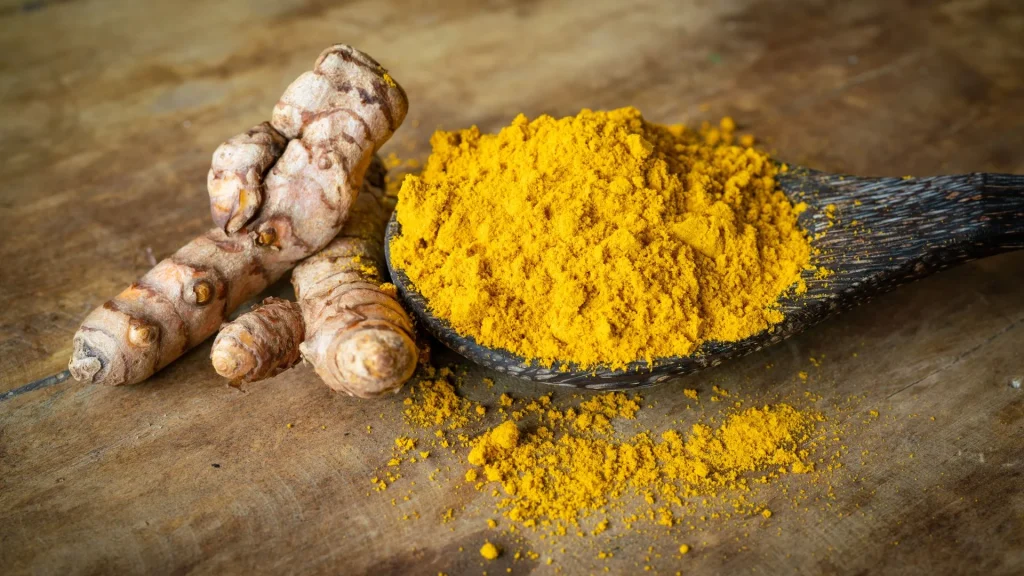
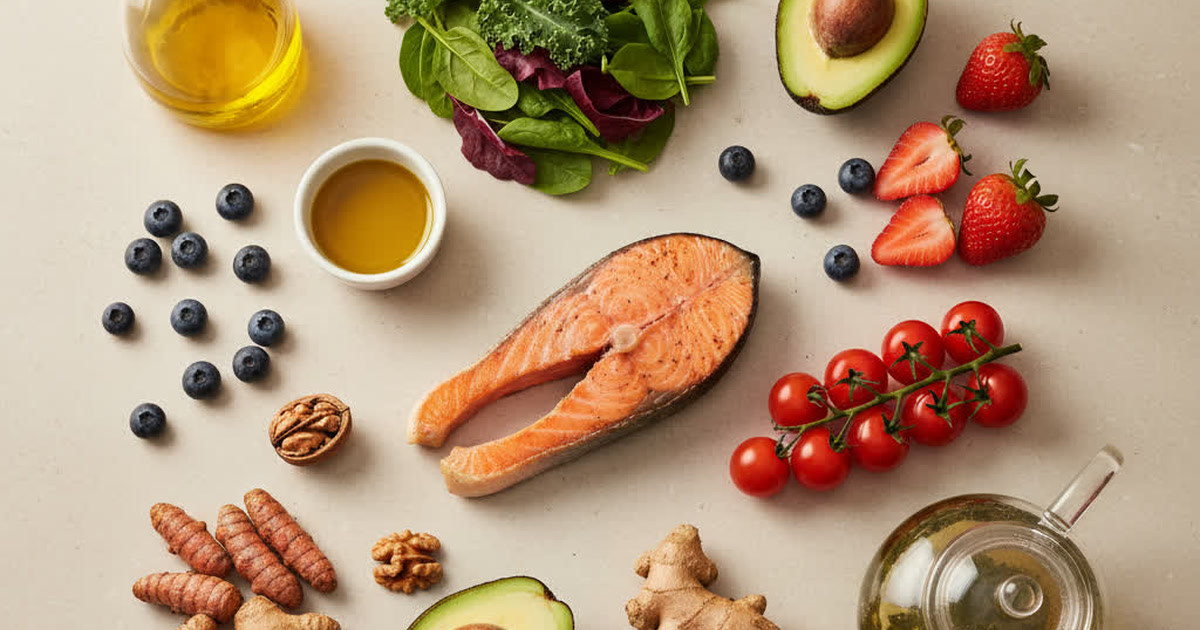
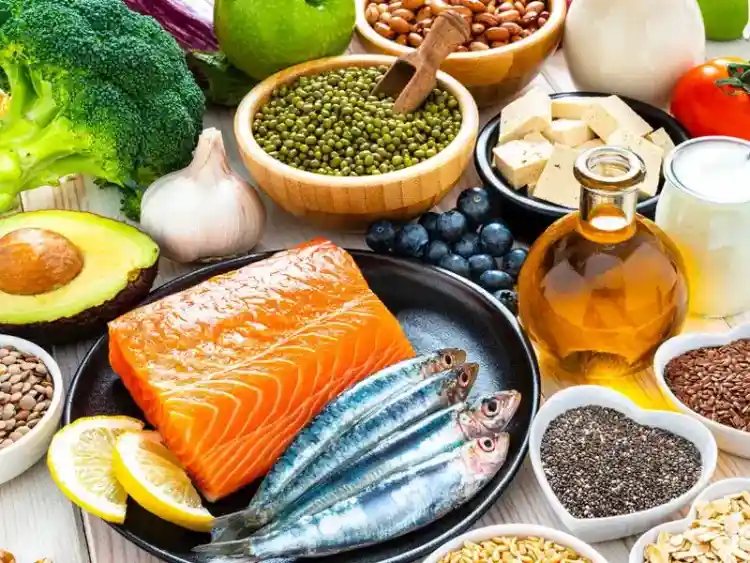
The most powerful anti-inflammatory foods you can add to your diet right now include wild-caught salmon (rich in EPA and DHA omega-3s), blueberries (packed with anthocyanins to reduce oxidative stress), and extra virgin olive oil (containing oleocanthal which acts similarly to ibuprofen). You should also focus on turmeric for its potent curcumin, leafy greens like spinach and kale for essential vitamin K and flavonoids, and walnuts as a great source of plant-based omega-3s. Focus on these foods and eliminate refined sugars and processed seed oils to effectively lower your inflammatory markers.
Chronic inflammation plays a role in nearly every major disease, from rheumatoid arthritis and lupus to heart disease and type 2 diabetes. Research from the National Institutes of Health estimates that roughly 8% of the U.S. population lives with an autoimmune disease, and that number keeps climbing every decade. The foods you eat every single day can either fuel that inflammatory fire or help put it out.
This guide gives you a clear, complete anti-inflammatory foods list with 30 foods backed by science. You will also find pro tips on how to shop, cook, and combine these foods for maximum benefit. If you manage an autoimmune condition, keep in mind that a generic food list only gets you halfway there. Your blood markers, food sensitivities, and personal health history all shape which anti-inflammatory foods work best for you.
Your body uses acute inflammation as a repair tool. You cut your finger, the area swells, immune cells rush in, and healing begins. That process lasts hours or days and then shuts off. Chronic inflammation is different. It stays active for weeks, months, or even years, silently damaging tissues and organs without obvious symptoms.
When chronic inflammation takes hold, your immune system releases pro-inflammatory molecules like interleukin-6 (IL-6) and tumor necrosis factor alpha (TNF-alpha) continuously. Over time, this constant immune activation contributes to conditions such as inflammatory bowel disease, psoriasis, Hashimoto's thyroiditis, and cardiovascular disease.
A 2021 study published in the Global Burden of Disease report found that the global prevalence of autoimmune diseases nearly doubled from 1990 to 2021. Diet is one of the most controllable factors in this equation. What you put on your plate directly influences inflammatory markers in your blood.
Anti-inflammatory foods contain bioactive compounds like polyphenols, omega-3 fatty acids, carotenoids, and flavonoids. These compounds neutralize free radicals (unstable molecules that cause oxidative stress), lower pro-inflammatory cytokines, and support healthy gut bacteria. A balanced gut microbiome, in turn, regulates your immune response and keeps inflammation in check.
The key anti-inflammatory mechanisms include antioxidant activity (neutralizing free radicals), modulation of NF-kB pathways (a central inflammatory signaling pathway), and support for the gut barrier function. Foods rich in omega-3 fatty acids, for example, directly reduce the production of inflammatory eicosanoids and cytokines in your cells.
The deeper and more varied the colors on your plate, the broader the range of anti-inflammatory compounds you consume. Different pigments (red lycopene, orange beta-carotene, purple anthocyanins) target different inflammatory pathways. Aim for at least three different colors at every meal.
Each food below contains specific compounds that research has linked to reduced inflammation. This list covers anti-inflammatory fruits, vegetables, proteins, fats, spices, and beverages so you can build a well-rounded anti-inflammatory diet.
Some anti-inflammatory compounds become more available when you cook foods (lycopene in tomatoes, sulforaphane in lightly steamed broccoli), while others are sensitive to heat (vitamin C in peppers). Mix raw and cooked vegetables throughout your day to cover all bases.
Your Inflammatory Triggers Are Unique
A food that reduces inflammation for one person might increase it for another. Our licensed doctors create personalized anti-inflammatory plans based on your blood work, autoimmune markers, and health history.
Building an anti-inflammatory diet means both adding beneficial foods and reducing inflammatory ones. The following foods consistently drive up inflammatory markers in research:
The modern Western diet delivers an omega-6 to omega-3 ratio of roughly 15:1 or even 20:1. Research suggests aiming for a ratio closer to 4:1 or lower. Reducing vegetable oil consumption while increasing fatty fish, walnuts, and flaxseeds helps rebalance this ratio.
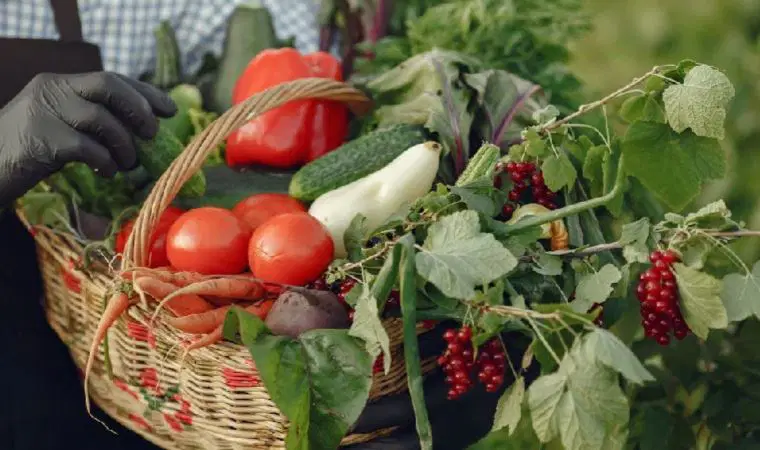
Use this quick-reference shopping list next time you visit the grocery store. Focus on whole, minimally processed foods and choose organic when possible for produce on the Environmental Working Group's "Dirty Dozen" list.
Produce: Blueberries, strawberries, tart cherries, oranges, avocados, broccoli, spinach, kale, sweet potatoes, beets, bell peppers, tomatoes, pineapple, leafy greens
Proteins: Wild-caught salmon, sardines, mackerel, pasture-raised eggs, organic bone broth
Nuts and Seeds: Walnuts, almonds, ground flaxseeds, chia seeds
Pantry Staples: Extra virgin olive oil (cold-pressed), rolled oats, dark chocolate (70%+ cacao), green tea, turmeric, ginger root, fresh garlic, black pepper
Every anti-inflammatory foods list (including this one) provides a solid starting point. But if you live with an autoimmune condition like Hashimoto's, rheumatoid arthritis, lupus, or inflammatory bowel disease, a standard list cannot account for your unique inflammatory triggers.
Your blood test results (CRP, ESR, ANA, thyroid antibodies) reveal which inflammatory pathways are most active in your body. Your food sensitivity profile determines which supposedly "healthy" foods might actually worsen your symptoms. Your current medications can interact with certain nutrients. And your lifestyle factors (sleep quality, stress levels, exercise habits) all influence how your body processes and responds to food.
That is why our team at OnlineNutritionPlans.com takes a different approach. Our licensed doctors analyze your complete blood work, review your medical history, consider your autoimmune markers, and evaluate your lifestyle before building a metabolic and nutrition plan designed specifically for your body. No two plans look the same, because no two people share the same inflammatory profile.
Ready for a Plan That Matches Your Body?
Stop guessing which foods help and which ones hurt. Our licensed doctors build personalized anti-inflammatory, metabolic, and lifestyle plans based on your blood tests, autoimmune markers, and individual health profile.
Knowing which foods fight inflammation is only useful if you actually eat them consistently. Here are actionable tips to make your anti-inflammatory diet stick:
You do not need to eat perfectly every day. Focus on making 80% of your meals anti-inflammatory and allow 20% flexibility. Consistency over weeks and months matters far more than perfection at any single meal.
Q: What are the top 5 most anti-inflammatory foods?
Based on research, the five most consistently effective anti-inflammatory foods are wild-caught salmon (EPA/DHA omega-3s), blueberries (anthocyanins), extra virgin olive oil (oleocanthal), turmeric (curcumin), and leafy greens like spinach and kale (vitamin K, quercetin). However, the "best" anti-inflammatory foods for you personally depend on your health condition, food sensitivities, and current nutrient deficiencies.
Q: Are eggs inflammatory or anti-inflammatory?
Eggs, especially pasture-raised eggs, contain anti-inflammatory nutrients including omega-3 fatty acids, vitamin D, and choline. For most people, eggs reduce inflammation rather than cause it. However, some individuals with autoimmune conditions or egg sensitivities experience increased inflammatory markers after eating eggs. If you suspect eggs trigger your symptoms, work with a doctor who can test your specific response.
Q: Are carrots anti-inflammatory?
Yes, carrots contain beta-carotene (a carotenoid antioxidant) and polyacetylenes, both of which demonstrate anti-inflammatory effects in research. Cooking carrots slightly increases the bioavailability of beta-carotene. While carrots did not make this top-30 list, they are a solid addition to any anti-inflammatory diet.
Q: What is the fastest way to reduce inflammation through diet?
The fastest dietary change you can make is eliminating added sugars, refined carbohydrates, and processed foods while adding omega-3-rich fish and colorful vegetables. Many people notice improvements in joint pain, energy levels, and digestive comfort within two to four weeks of consistent changes. For autoimmune conditions, a personalized plan based on your blood work delivers faster, more targeted results.
Q: Can I follow an anti-inflammatory diet if I have an autoimmune disease?
An anti-inflammatory diet forms the foundation of nutritional therapy for most autoimmune diseases. However, standard anti-inflammatory food lists do not account for individual triggers. For example, nightshade vegetables (tomatoes, peppers) reduce inflammation for most people but can worsen symptoms in some autoimmune patients. A personalized plan built around your blood tests, autoimmune markers, and symptom patterns delivers much better results than a generic list.
Q: How long does it take for anti-inflammatory foods to work?
Most people begin noticing subtle improvements (better digestion, more energy, less joint stiffness) within two to four weeks of consistent dietary changes. Measurable reductions in blood inflammatory markers like CRP typically show up within six to twelve weeks. Deeper changes to autoimmune activity and gut health take three to six months of sustained effort.
Q: What is a good anti-inflammatory diet for beginners?
Start by adding two servings of fatty fish per week, replacing sugary snacks with berries and nuts, switching to extra virgin olive oil, and cooking with turmeric and ginger. Remove sugary beverages and processed foods first, since these cause the most inflammation per serving. As you build momentum, expand your vegetable variety and introduce fermented foods like sauerkraut for gut health.
Q: Do I need a personalized plan, or is a general anti-inflammatory diet enough?
A general anti-inflammatory diet benefits nearly everyone. But if you have an autoimmune condition, chronic digestive issues, or persistent inflammation despite eating well, a personalized approach based on your blood tests and health history will give you significantly better outcomes. Our licensed doctors at OnlineNutritionPlans.com create individualized plans that account for your unique biochemistry.
This anti-inflammatory foods list gives you a strong foundation, but your body tells a deeper story through your blood markers, symptoms, and health history. If you manage an autoimmune condition or deal with stubborn chronic inflammation, a one-size-fits-all food list cannot replace a plan built specifically for you.
At OnlineNutritionPlans.com, our licensed medical doctors review your blood work, analyze your autoimmune markers, evaluate your current lifestyle, and design a personalized metabolic and nutrition plan tailored to your body. Every plan is different because every patient is different.
Visit OnlineNutritionPlans.com today to get started with your personalized anti-inflammatory, metabolic, and lifestyle plan.