Anti-inflammatory spices like turmeric, ginger, cinnamon, garlic, and cloves carry bioactive compounds that influence the same immune pathways autoimmune patients struggle with every day. Curcumin in turmeric and gingerol in ginger directly target NF-kB, TNF-alpha, and IL-6, the cytokines that drive flares in Hashimoto’s, rheumatoid arthritis, lupus, and IBD. Most generic articles stop at "add a teaspoon of turmeric to your smoothie." That generic advice ignores the part that decides whether these spices actually help you: your specific autoimmune condition, your medications, and your gut absorption capacity.
This guide covers what the research actually shows, the dosing details most blogs skip, the autoimmune-specific cautions nobody mentions, and how to build a daily spice rotation that supports your protocol instead of working against it.
Autoimmune disease runs on chronic, low-grade inflammation. Pro-inflammatory cytokines like TNF-alpha, IL-6, and IL-1 beta keep the immune system locked in attack mode against your own tissues. Anti-inflammatory spices contain polyphenols and bioactive compounds that interrupt this signal cascade at the cellular level.
A 2022 meta-analysis in Frontiers in Pharmacology found curcumin supplementation lowered C-reactive protein (CRP) by an average of 1.55 mg/L across more than 30 randomized trials. Researchers in a 2025 Scientific Reports trial documented significant reductions in both CRP and ESR after just five days of turmeric or ginger supplementation in 144 patients.
The catch most articles miss: cytokine suppression is not always the goal in autoimmune disease. Some autoimmune conditions involve immune dysregulation rather than pure overactivation, and aggressively suppressing one pathway can shift another out of balance. This is why a personalized plan matters more than a generic spice list.
Standard "add turmeric to everything" protocols do not work for everyone. Your bloodwork, gut health, current medications, and specific autoimmune diagnosis decide which spices help and which trigger flares. Get a doctor-built plan tailored to your labs and condition at OnlineNutritionPlans and stop guessing which protocols apply to you.
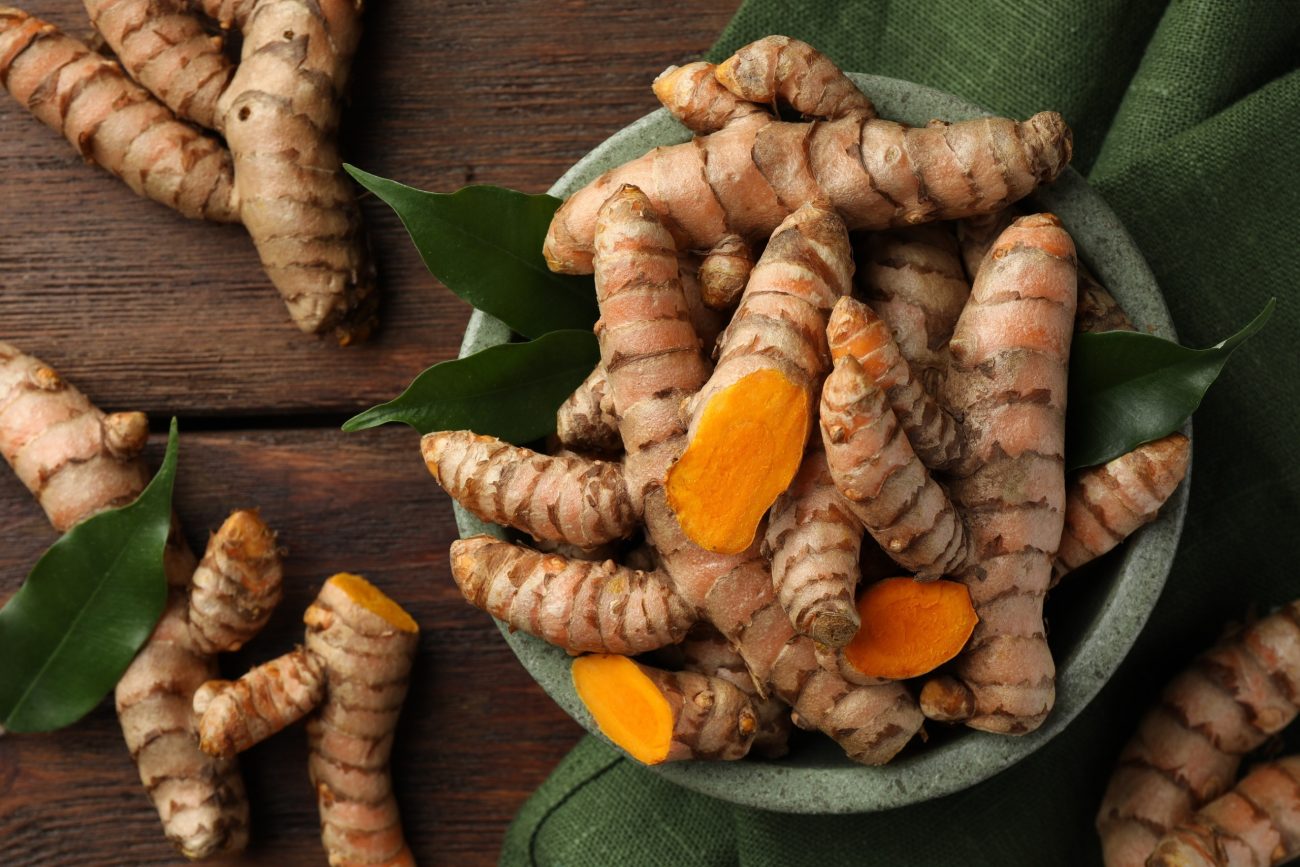
Turmeric (Curcuma longa) is the root that more than 15,000 peer-reviewed studies have examined for inflammation control. Its active compound curcumin inhibits NF-kB signaling, the master switch that turns on most pro-inflammatory genes. For autoimmune patients, this matters because NF-kB activation drives the cytokine storms behind rheumatoid arthritis flares, ulcerative colitis episodes, and psoriasis plaques.
Curcumin blocks two key inflammatory enzymes: COX-2 and 5-LOX. Clinical trials show curcumin reduces TNF-alpha, IL-1 beta, and IL-6 in patients with osteoarthritis, ulcerative colitis, and metabolic syndrome. A 500 mg twice-daily dose of standardized curcumin matched the symptom relief of diclofenac in a head-to-head rheumatoid arthritis trial, with fewer side effects.
Pure curcumin barely absorbs. Your liver glucuronidates it within minutes, so plasma levels stay near zero even after a full teaspoon of turmeric. Black pepper fixes this. Piperine, the active alkaloid in black pepper, inhibits the liver enzymes that destroy curcumin and increases its bioavailability dramatically.
A landmark 1998 Shoba study at St. John's Medical College recorded a 2,000% increase in curcumin bioavailability when humans took it with just 20 mg of piperine. Modern LC-MS/MS research from 2023 confirmed the effect by measuring a doubled half-life from 2.2 hours to 4.5 hours when paired with pepper.
Pair every turmeric dose with a pinch of fresh-cracked black pepper and a fat source like olive oil, coconut milk, or full-fat yogurt. Curcumin is fat-soluble, so the pepper-plus-fat combination raises absorption far beyond either alone.
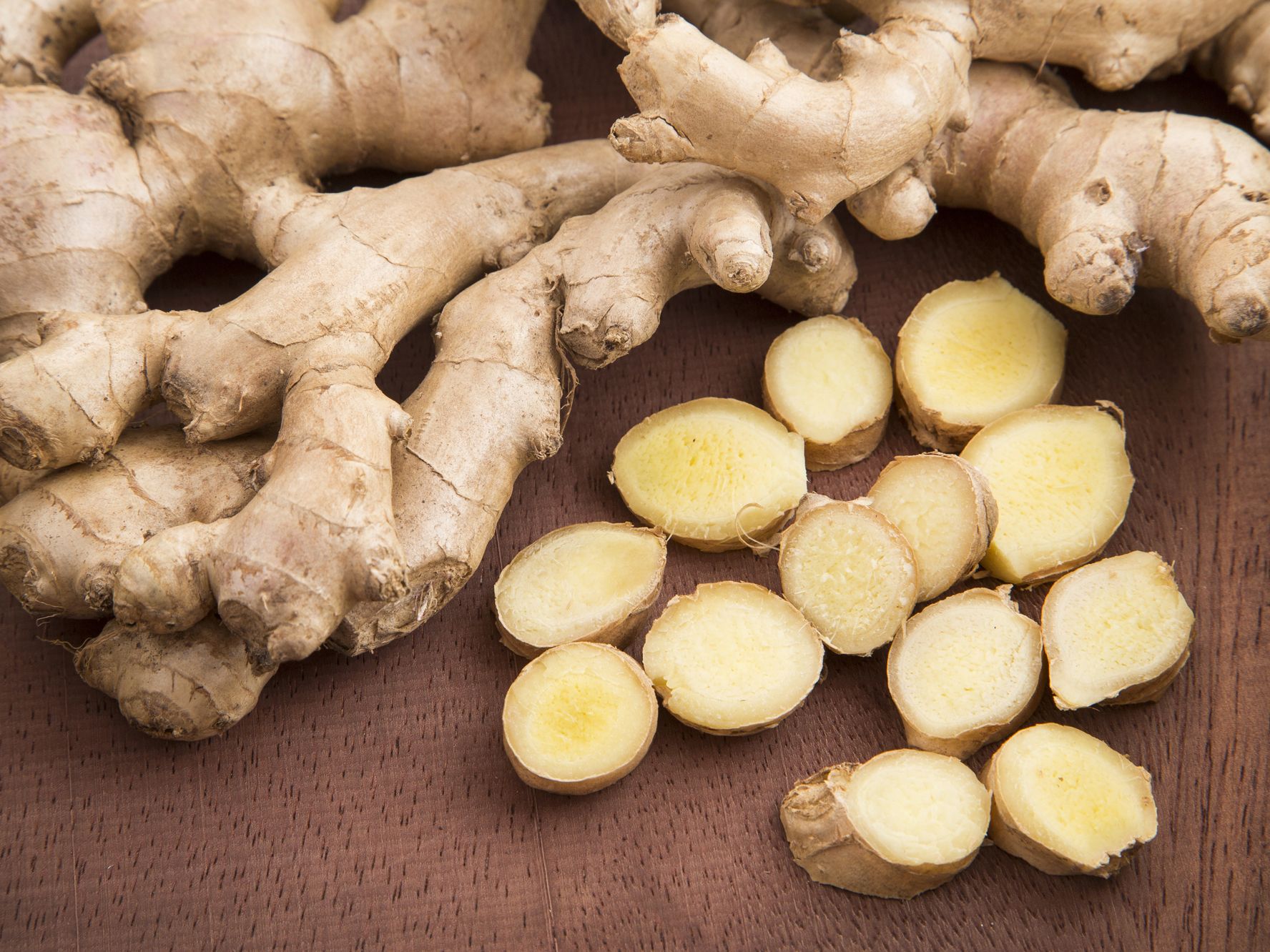
Ginger (Zingiber officinale) and turmeric belong to the same plant family, but ginger works through different bioactive compounds. Gingerol, shogaol, and paradol block prostaglandin and leukotriene synthesis, the same pathways that NSAIDs target. The effect on joint pain, morning stiffness, and gut inflammation makes ginger one of the most useful spices for autoimmune patients dealing with rheumatoid arthritis, IBS, or IBD.
A 2020 systematic review in the Journal of Medicinal Food showed that 1 to 3 grams of ginger daily reduced morning stiffness and joint swelling in rheumatoid arthritis patients. A 2022 trial found ginger extract decreased pro-inflammatory gene expression in RA patients within 12 weeks. Ginger also calms nausea, gastroparesis, and post-meal bloating, three issues that quietly worsen autoimmune symptoms by disrupting nutrient absorption.
A 2022 study in Frontiers in Pharmacology demonstrated that a 5:2 ginger-to-turmeric ratio produced synergistic anti-inflammatory effects in human monocyte cells, suppressing TNF-alpha and IL-6 more strongly than either spice alone. The compounds 6-shogaol, 10-shogaol, and curcumin showed the highest combined potency.
Grate 1 inch of fresh ginger root into hot water with lemon for a daily morning anti-inflammatory tonic. Fresh ginger contains higher gingerol content than dried, and the warm water helps extract its active compounds.
Ginger thins blood. If you take warfarin, aspirin, clopidogrel, or any anticoagulant for autoimmune-related cardiovascular concerns, doses above 4 grams per day can cause excessive bleeding. People with gallstones should also limit ginger because it stimulates bile flow.
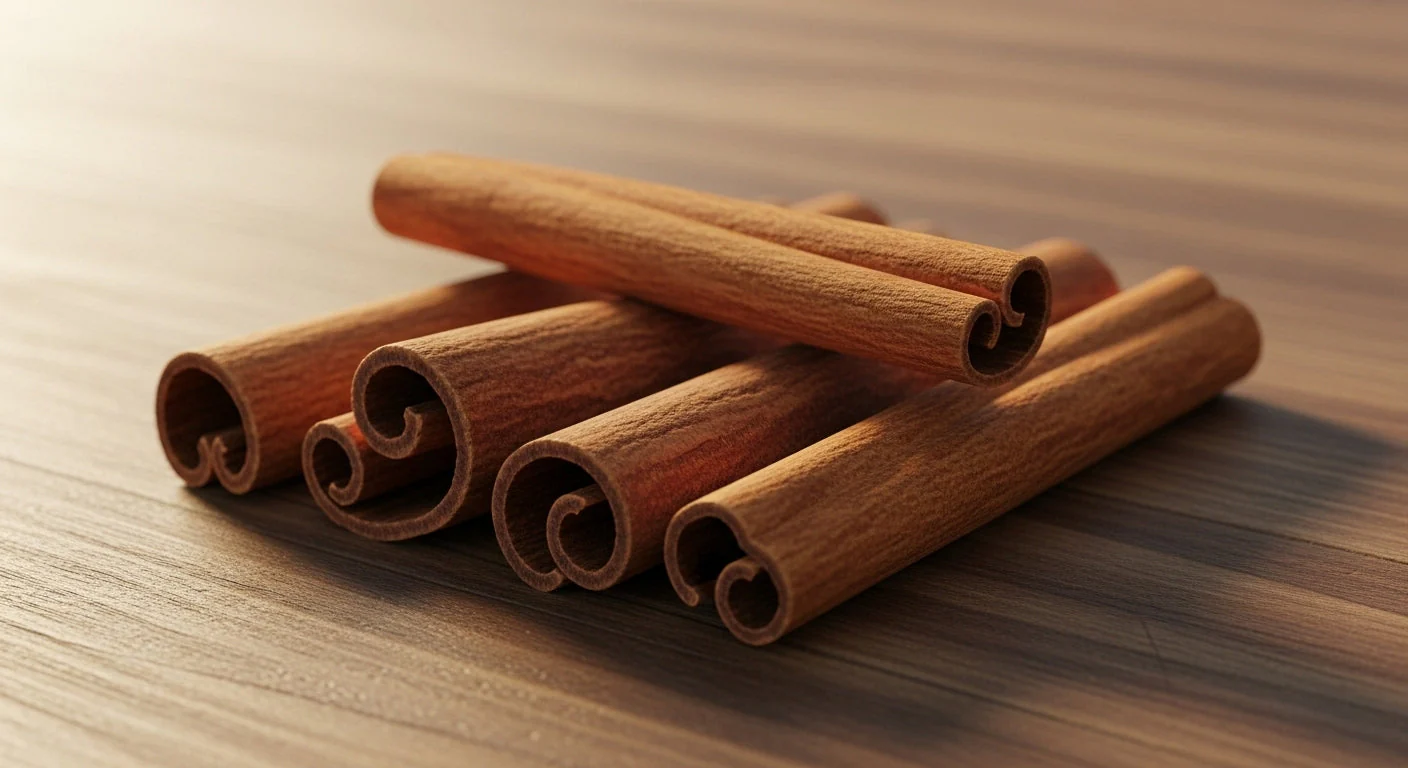
The "and more" part of an anti-inflammatory spice strategy matters because cytokine pathways are redundant, and rotating spices targets multiple pathways at once. Each of these supporting spices brings a distinct mechanism.
Ceylon cinnamon contains cinnamaldehyde, a polyphenol that lowers fasting blood glucose and reduces insulin resistance. Insulin resistance amplifies systemic inflammation, so cinnamon helps autoimmune patients with comorbid metabolic issues like Hashimoto's plus prediabetes. Stick to Ceylon (true cinnamon), not Cassia, because Cassia contains coumarin that stresses the liver at higher doses.
Allicin, the sulfur compound released when garlic is crushed, suppresses NF-kB and inhibits pro-inflammatory cytokines. Garlic also feeds beneficial gut bacteria, which matters because gut dysbiosis drives most autoimmune conditions. Crush garlic and let it sit for 10 minutes before cooking to let allicin form before heat damages it.
Cloves contain the highest polyphenol density per gram of any spice. Eugenol, the primary active compound, blocks COX-2 enzymes and provides strong antioxidant protection. A small pinch added to oatmeal, stewed apples, or chai delivers measurable anti-inflammatory benefit without overwhelming flavor.
Rosemary delivers carnosic acid and rosmarinic acid, both of which calm neuroinflammation. Patients with autoimmune conditions affecting the nervous system, such as multiple sclerosis or autoimmune encephalitis, benefit from including rosemary regularly. Use it on roasted meats, in olive oil infusions, or steeped as a tea.
A 2024 review in Nutrients identified more than 200 polyphenols across these five spices that interact with inflammatory signaling. Rotating four to six spices weekly produces a broader anti-inflammatory effect than relying on one "miracle" spice.
A daily anti-inflammatory routine works only when it fits your eating habits. Here is a realistic structure that hits multiple cytokine pathways without forcing exotic ingredients on you.
Track your symptoms in a daily journal for 30 days when you start a spice protocol. Reduced morning stiffness, better digestion, fewer headaches, and improved energy show up before bloodwork changes do, and they tell you which spices your body responds to.
This is the section most articles skip, and it is the most important one for autoimmune readers. Some "anti-inflammatory" spices belong to the nightshade family (Solanaceae) and contain glycoalkaloids, lectins, and capsaicin that can worsen flares in sensitive patients.
Patients on the AIP elimination diet remove nightshades during the elimination phase because lectins and saponins can aggravate intestinal permeability and trigger immune responses. After 30 to 60 days, nightshades are reintroduced one at a time to identify personal triggers. Your reaction depends on your individual gut barrier function, which is why blood tests for zonulin, calprotectin, and food sensitivity panels matter.
A 2023 review in the Journal of Autoimmunity documented that approximately 52% of nightshade-sensitive autoimmune patients reported symptom improvement after a 30-day elimination, with rheumatoid arthritis and IBD patients showing the strongest response.
Anti-inflammatory spices like turmeric, ginger, cinnamon, garlic, cloves, and rosemary deliver real, research-backed benefits for autoimmune patients when you use them correctly. The catch is that "correctly" depends on your specific diagnosis, current medications, gut barrier status, and individual sensitivities. A patient with Hashimoto's and prediabetes needs a different stack than someone with rheumatoid arthritis on methotrexate or an IBD patient in remission.
Generic spice protocols ignore the variables that actually matter: your blood markers, your meds, your gut, your life. Get a personalized autoimmune nutrition plan built by licensed doctors at OnlineNutritionPlans, where every recommendation is matched to your bloodwork, condition, and lifestyle so the protocol works for your body, not someone else's.