You track your cycle, you know the flare is coming, and yet every month the same hives, itching, or swelling show up right on schedule. If that sounds familiar, you probably already know about autoimmune progesterone dermatitis (APD). What you might not know is how much your grocery list influences whether those flare-ups hit hard or stay manageable.
This guide gives you concrete food lists, not vague advice. You will walk away knowing exactly which foods to cut, which foods to eat instead, and how to time your diet around your menstrual cycle for the best results.
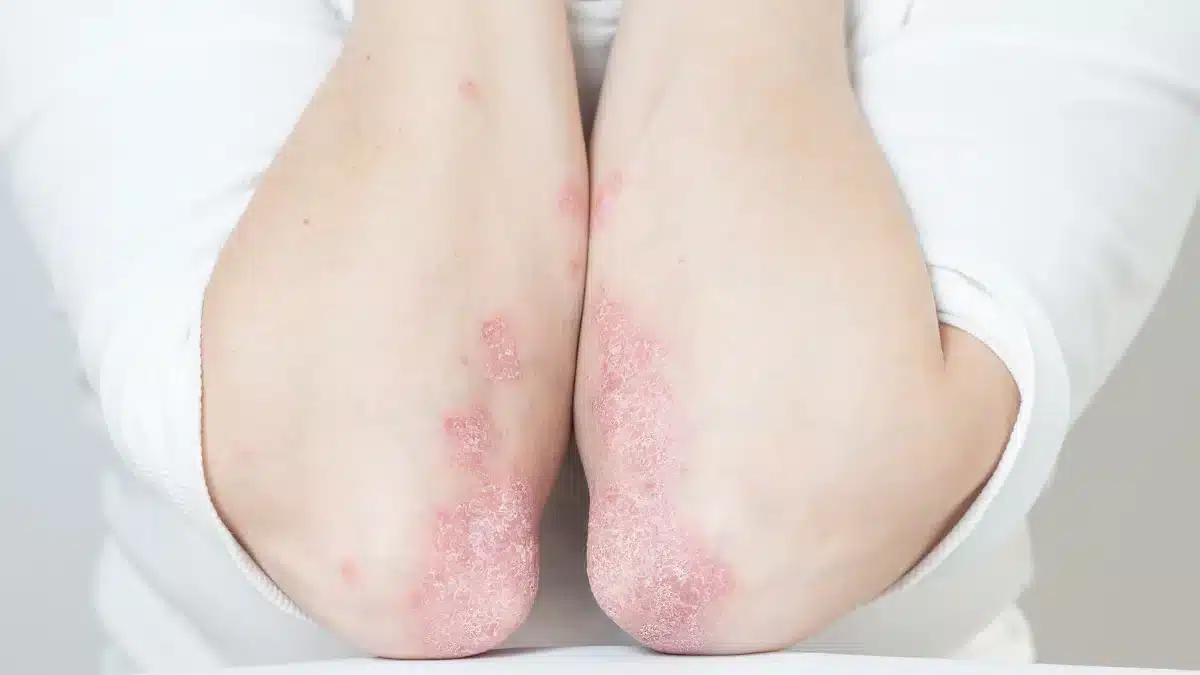
APD is a rare condition where your immune system treats your own progesterone like a threat. Progesterone peaks during the luteal phase (the second half of your cycle, after ovulation), and that hormonal spike triggers mast cells to dump histamine into your bloodstream. The result? Cyclical hives, eczema patches, angioedema, or in rare cases, anaphylaxis.
Medical literature documents fewer than 200 confirmed cases, but experts suspect many women go years without a correct diagnosis. The mean age of onset sits around 27, and women with a history of allergies or other autoimmune conditions face a higher risk. A 2016 study on chronic urticaria showed that 75% of participants experienced significantly reduced symptoms after just three weeks on a low-histamine diet. That same principle applies to APD, because both conditions share the mast cell and histamine pathway.
Picture a bucket. Every day, dietary histamine, environmental allergens, stress, and your body's own progesterone all pour into that bucket. When the bucket overflows, you get a flare-up. You cannot shut off your progesterone production, but you can control how much histamine enters through food. A lower dietary histamine load means your progesterone surge has less chance of pushing the bucket over the edge.
That is why the foods below matter so much. They do not just "promote inflammation" in some abstract way. They directly add histamine to your system, trigger your mast cells to release more of it, or block the enzyme (DAO) that breaks histamine down.
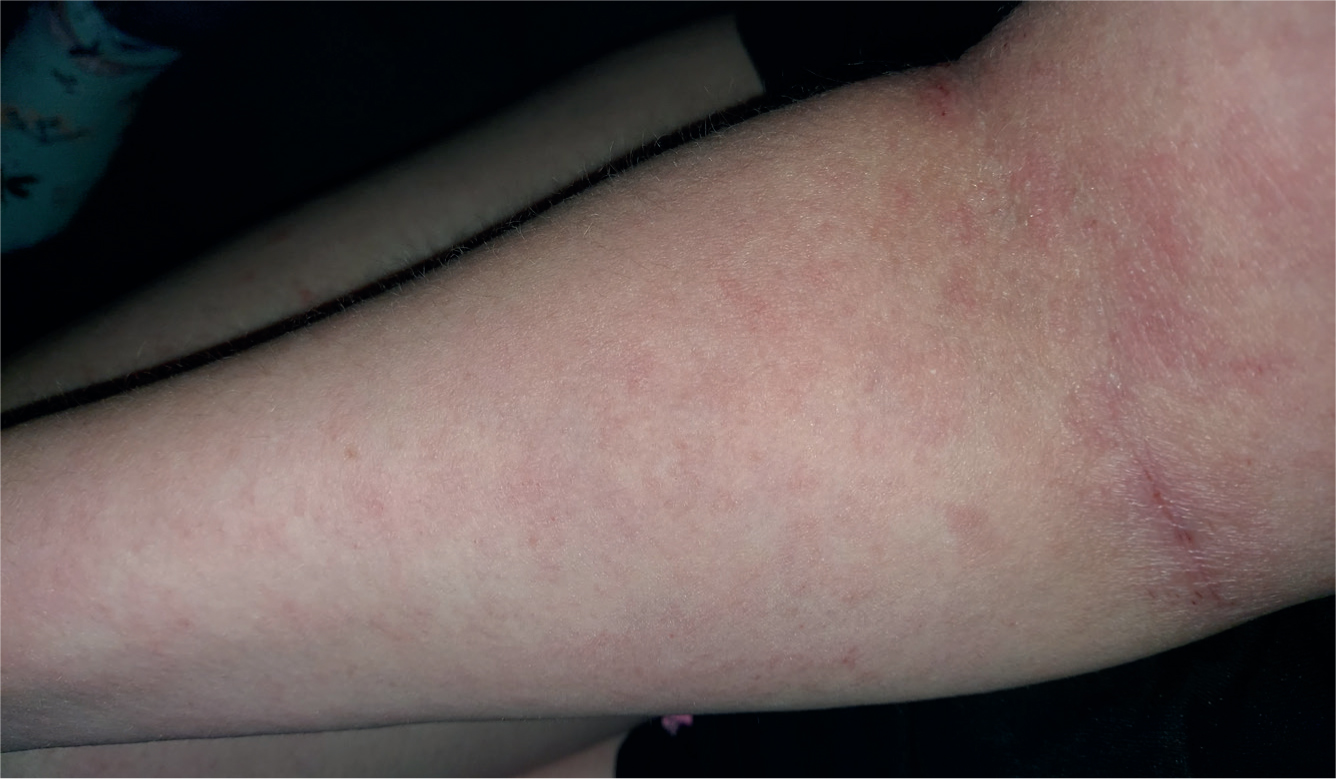
Here is the part you came for. These are the specific foods and food groups to cut or heavily limit, especially during your luteal phase. Not every item will trigger every person, but these categories carry the highest risk for women with APD.
These foods naturally contain high levels of histamine. The older, more fermented, or more processed a food is, the more histamine it carries. Avoid or strictly limit the following:
The freshness rule matters more than most people realize. A piece of chicken cooked and eaten immediately has low histamine. That same chicken stored in your fridge for two days can have dramatically higher levels. Cook from fresh or frozen, eat right away, and freeze any leftovers instead of refrigerating them.
These foods do not contain much histamine themselves, but they tell your mast cells to dump their stored histamine. That makes them just as problematic as high-histamine foods, and they often fly under the radar. Avoid or limit:
Many women with APD say that tomato-based sauces and citrus juices are among their very worst triggers during the premenstrual window. If you eat a salad with tomatoes and lemon dressing during your luteal phase, you might be pouring two types of histamine liberators into an already full bucket.
DAO (diamine oxidase) is the enzyme in your gut that breaks down histamine from food before it hits your bloodstream. Some substances block DAO, which means the histamine you eat sticks around longer and builds up faster. Watch out for:
Even if a packaged food does not show up on a histamine list, its preservatives, stabilizers, and artificial additives can independently activate your mast cells. Cut or reduce:
These lists give you a solid starting point, but every person with APD reacts to a different combination of triggers. A diet plan built around your actual blood work, symptom patterns, and health history takes the guesswork out of the equation. At OnlineNutritionPlans.com, licensed doctors design personalized autoimmune nutrition protocols based on your individual lab results, diagnosis, and lifestyle.
Cutting trigger foods only helps if you replace them with real, nutrient-dense alternatives. Here is a practical swap list you can take straight to the grocery store:
| Category | Safe Choices |
|---|---|
| Protein | Freshly cooked chicken, turkey, lamb (eat immediately or freeze, never refrigerate overnight) |
| Fish | Fresh-caught or flash-frozen wild salmon, cod, trout (avoid canned or smoked) |
| Grains | White rice, quinoa, millet, oats, gluten-free pasta |
| Vegetables | Zucchini, broccoli, cauliflower, sweet potato, carrots, cucumbers, lettuce, asparagus |
| Fruits | Apples, pears, blueberries, mangoes, grapes, watermelon, peaches |
| Fats & Oils | Extra virgin olive oil, coconut oil, ghee, fresh butter |
| Dairy | Fresh mozzarella, ricotta, cream cheese, coconut milk, oat milk |
| Herbs & Spices | Fresh basil, oregano, rosemary, thyme, turmeric, ginger, salt, pepper |
| Beverages | Filtered water, chamomile tea, peppermint tea, rooibos tea |
Shop the perimeter of the grocery store. Fresh produce, fresh meat, and the dairy cooler line the edges. The center aisles hold the processed, packaged, high-histamine foods you want to minimize. When in doubt, ask yourself: "Was this food alive or growing recently?" If yes, it is probably a safer choice.
A few targeted supplements can help stabilize mast cells and support histamine breakdown alongside your dietary changes. These are not magic pills, and they do not replace medical treatment, but they can lower your histamine bucket by a meaningful amount when dosed correctly.
Dosages need to match your lab results, current medications, and the rest of your health picture. What works for one person with APD might be wrong for another. That is exactly why working with a licensed practitioner who understands autoimmune biochemistry matters so much.
Your histamine tolerance is not the same on day 5 of your cycle as it is on day 22. During the follicular phase (roughly days 1 through 14), estrogen dominates and progesterone stays low. Most women with APD feel relatively normal here. After ovulation, progesterone rises, your mast cells get more reactive, and your histamine threshold drops.
A cyclical eating strategy takes advantage of this pattern. Follow a moderately low-histamine diet during your follicular phase, then tighten restrictions significantly during the luteal phase (days 15 through 28) when progesterone peaks and your flare-up risk climbs.
Start your stricter protocol about two days before you expect to ovulate, not when symptoms appear. By the time you feel itching or see hives, your histamine bucket is already overflowing. Getting ahead of ovulation gives dietary changes time to lower your baseline before progesterone surges.
You have probably seen generic "anti-inflammatory food lists" online. They usually tell you to cut gluten, dairy, sugar, and processed foods. While that advice is not wrong, it misses the point for APD. Your body is not reacting to gluten or dairy in the typical sense. It is reacting to its own progesterone, and the dietary component revolves around histamine load, DAO enzyme function, mast cell stability, and hormonal timing.
Two women with APD can have completely different triggers. One might tolerate eggs and strawberries but react violently to aged cheese. Another might handle cheese fine but flare from tomatoes and chocolate. Your individual histamine threshold, DAO genetics, gut health, and co-existing conditions (endometriosis, PCOS, mast cell activation syndrome) all shape your unique trigger profile.
That is why a plan built around your blood tests, symptom diary, medical history, and hormonal patterns gives you a stronger foundation than any generic food list ever could. A licensed doctor can test your DAO levels, check your hormonal profile, spot nutrient deficiencies, and design a protocol for your specific biochemistry.
At OnlineNutritionPlans.com, licensed doctors build fully personalized metabolic, dietary, and lifestyle plans for people with autoimmune conditions. Your plan factors in your blood work, your diagnosis, your symptom timeline, and your daily routine. Get your personalized autoimmune plan today.
Your diet does not exist in a vacuum. Stress hormones directly trigger mast cell degranulation, so a stressful week can undo careful food choices. Prioritize consistent sleep, daily movement, and a stress management practice (even 10 minutes of slow breathing makes a measurable difference in mast cell reactivity).
Skincare and cleaning products matter too. Fragrances, harsh detergents, and chemical irritants activate mast cells through your skin. During your luteal phase, switch to fragrance-free everything: laundry detergent, body wash, moisturizer. Less chemical exposure means less histamine pouring into your already-full bucket.
Exercise is a balancing act. Moderate movement supports healthy immune function, but high-intensity training during the premenstrual window can provoke mast cells. Scale back to walks, yoga, or light weights when your progesterone is peaking, and save the intense sessions for your follicular phase.
You now have a concrete list of autoimmune progesterone dermatitis foods to avoid, a practical table of safe swaps, and a strategy for timing your diet around your cycle. That is already more actionable than most of what you will find online.
But the truth is, a food list can only take you so far. Your blood work, your hormonal patterns, your gut health, and any co-existing conditions all influence which triggers hit you hardest and which nutrients you need most. A personalized plan designed by a licensed doctor who specializes in autoimmune nutrition takes the guesswork out and gives you the strongest foundation for real, lasting relief.