Hashimoto's thyroiditis affects roughly 17.5% of women and 6% of men globally, and it drives the majority of hypothyroidism cases in developed countries. Most people who land on a foods to avoid with Hashimoto's thyroiditis article want one thing, namely a clear list of triggers that actually move the needle on symptoms. This guide gives you that list, but it also explains why each food matters and how you can identify your own personal triggers without guesswork.
Standard "avoid this" lists fail many patients because Hashimoto's expresses itself differently in every body. Your antibody levels, your gut barrier integrity, your nutrient deficiencies, and your medication timing all shape which foods cause flare-ups for you specifically. A diet plan built around your bloodwork and lifestyle outperforms generic protocols every time, which is exactly the approach our licensed physicians take when designing personalized autoimmune nutrition plans.
Want a plan built around your labs, not a generic list? Our doctors at OnlineNutritionPlans build personalized Hashimoto's nutrition protocols using your thyroid panel, antibody levels, and current symptoms. Browse our specialists here.
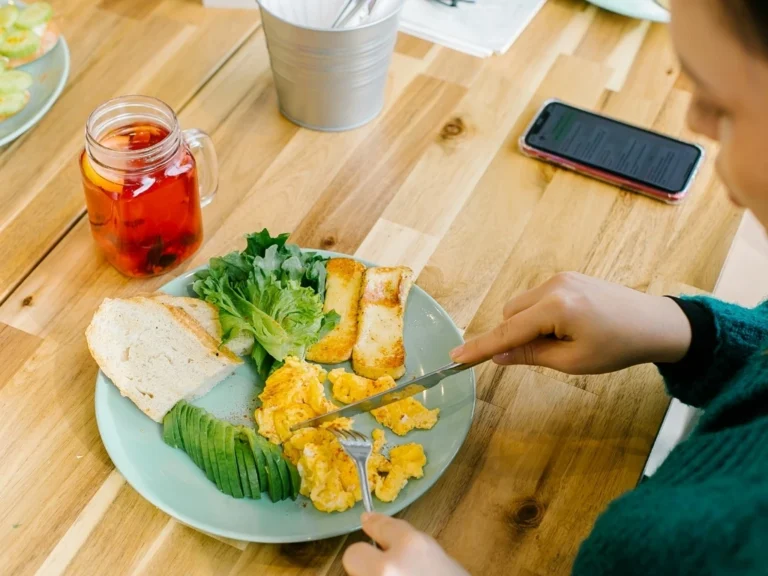
Hashimoto's is an autoimmune condition where your immune system attacks the thyroid gland, gradually reducing hormone output. Three mechanisms explain why specific foods aggravate this attack: systemic inflammation, gut barrier disruption, and interference with thyroid hormone absorption. Understanding these three pathways helps you spot trigger foods even when they do not appear on any standard list.
The gut deserves special attention here. Around 70% of your immune system lives in the gut lining, and damage to that lining lets undigested proteins leak into the bloodstream. Your immune system then mounts a defense, and that defense often cross-reacts with thyroid tissue, a process researchers call molecular mimicry. Foods that wreck the gut barrier therefore wreck the thyroid by extension.
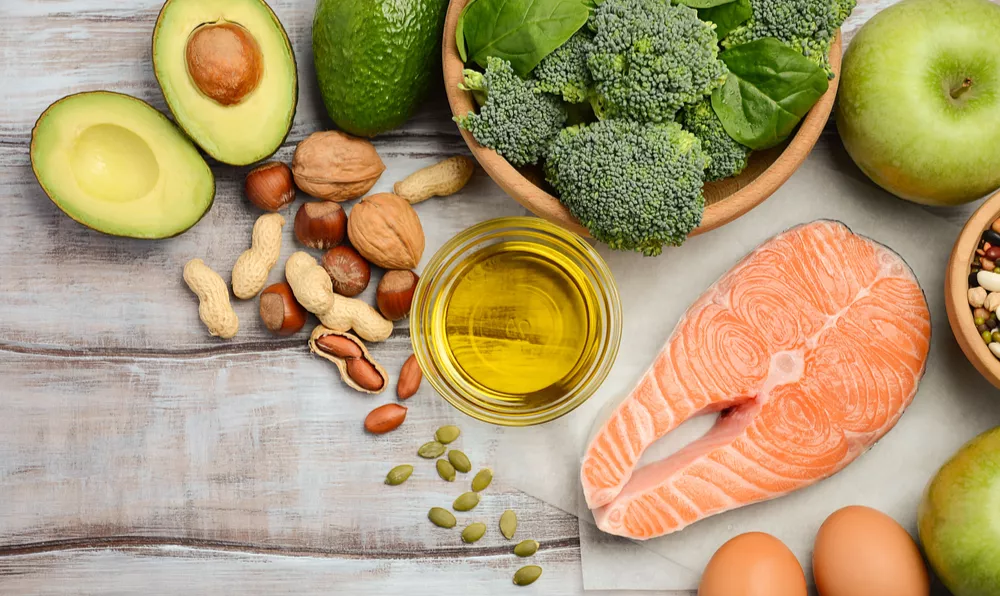
The list below ranks foods by how often they trigger symptoms in clinical practice and how strongly research supports the link. Treat it as a starting point for your own elimination process rather than a permanent ban.
Gluten sits at the top of nearly every Hashimoto's avoidance list for a defensible reason. People with Hashimoto's are roughly 4 times more likely to also have celiac disease, and gluten proteins share a structural resemblance to thyroid tissue that can confuse the immune system. A 2019 pilot study in the Experimental and Clinical Endocrinology journal found that a gluten-free diet reduced thyroid antibodies in drug-naive Hashimoto's patients over six months.
Skip the gluten-free packaged aisle when you eliminate wheat. Most gluten-free cookies, breads, and crackers swap wheat for rice flour and seed oils, which keep inflammation high. Lean on naturally gluten-free whole foods like quinoa, buckwheat, sweet potato, and lentils instead.
Dairy creates problems for Hashimoto's patients on two fronts. First, lactose intolerance occurs more often in people with autoimmune thyroid disease, and undigested lactose causes the gut inflammation that fuels antibody production. Second, calcium in milk binds to levothyroxine and can reduce absorption of your thyroid medication by up to 80% if taken together.
Casein, the main protein in dairy, also resembles gluten in shape and triggers similar immune cross-reactivity in sensitive individuals. Many patients tolerate fermented dairy like aged cheese or kefir better than fresh milk, but a 4-week elimination tells you more than any blood test.
Soy contains goitrogenic compounds called isoflavones that can interfere with thyroid hormone synthesis, particularly when iodine intake runs low. The Mayo Clinic recommends spacing soy consumption at least four hours away from levothyroxine because soy reduces medication absorption in the gut. Soy also pops up as a hidden ingredient in protein bars, processed meats, salad dressings, and most plant-based meat substitutes.
Read labels for soy lecithin, soy protein isolate, hydrolyzed soy protein, and textured vegetable protein. These derivatives carry the same goitrogenic effect even in small amounts, and they appear in roughly 60% of packaged American foods.
Ultra-processed foods raise inflammatory markers within hours of consumption, and chronic inflammation drives the autoimmune attack on your thyroid. A 2023 review in Nutrients linked high ultra-processed food intake to elevated thyroid antibody levels in autoimmune thyroid patients. Added sugars compound the damage by spiking insulin, which blocks the conversion of inactive T4 hormone into active T3.
Watch out for processed meats specifically. Hot dogs, deli slices, salami, and sausages contain nitrates and advanced glycation end products that worsen autoimmune inflammation. Unprocessed grass-fed beef or fresh poultry causes none of these problems.
Soybean oil, corn oil, canola oil, sunflower oil, and cottonseed oil contain unstable omega-6 fats that oxidize during high-heat processing and again when you cook with them. The resulting compounds drive systemic inflammation, the exact opposite of what a Hashimoto's body needs. The standard American diet delivers an omega-6 to omega-3 ratio near 20:1, whereas an anti-inflammatory ratio sits closer to 4:1.
Replace these oils with extra virgin olive oil for cold use and salads, avocado oil for medium heat, and grass-fed ghee or coconut oil for high-heat cooking. This single swap drops your inflammatory load faster than almost any other dietary change.
Broccoli, kale, cauliflower, cabbage, and Brussels sprouts contain goitrogens that interfere with thyroid iodine uptake when eaten raw and in volume. The good news arrives in your kitchen. Cooking deactivates most of these compounds, and a 2020 study in the journal Antioxidants showed that boiling, steaming, or roasting reduces goitrogenic activity by up to 87%.
Daily green smoothies with raw kale represent the main risk pattern. A small amount of raw cabbage in coleslaw or a few raw broccoli florets on a salad will not derail your thyroid. Steamed, sautéed, or roasted cruciferous vegetables actually support thyroid health because they deliver sulforaphane, a compound that helps clear excess estrogen and reduces oxidative stress.
Alcohol damages the thyroid through three pathways. It directly suppresses thyroid hormone production, it injures the gut lining and worsens leaky gut, and it raises histamine levels, which sends an already overactive immune system into further overdrive. Beer adds gluten on top of these effects, and most cocktails layer in added sugars.
Patients with active flare-ups should avoid alcohol completely until antibody levels stabilize. Those in remission sometimes tolerate small amounts of dry red wine or clear spirits with no mixer, but the autoimmune research supports no established safe threshold.
Iodine presents a Goldilocks problem for Hashimoto's. The thyroid needs iodine to make hormones, but too much iodine in someone with autoimmune thyroid disease can actually trigger attacks on the gland. Sources to watch include kelp tablets, spirulina supplements, sushi with nori wraps eaten daily, and high-dose iodine drops marketed as thyroid "support."
Get your iodine and TPO antibody levels tested before adding any iodine supplement. Most Hashimoto's patients in iodine-sufficient countries already get enough through dairy alternatives, eggs, and seafood, and supplementation often makes antibodies climb.
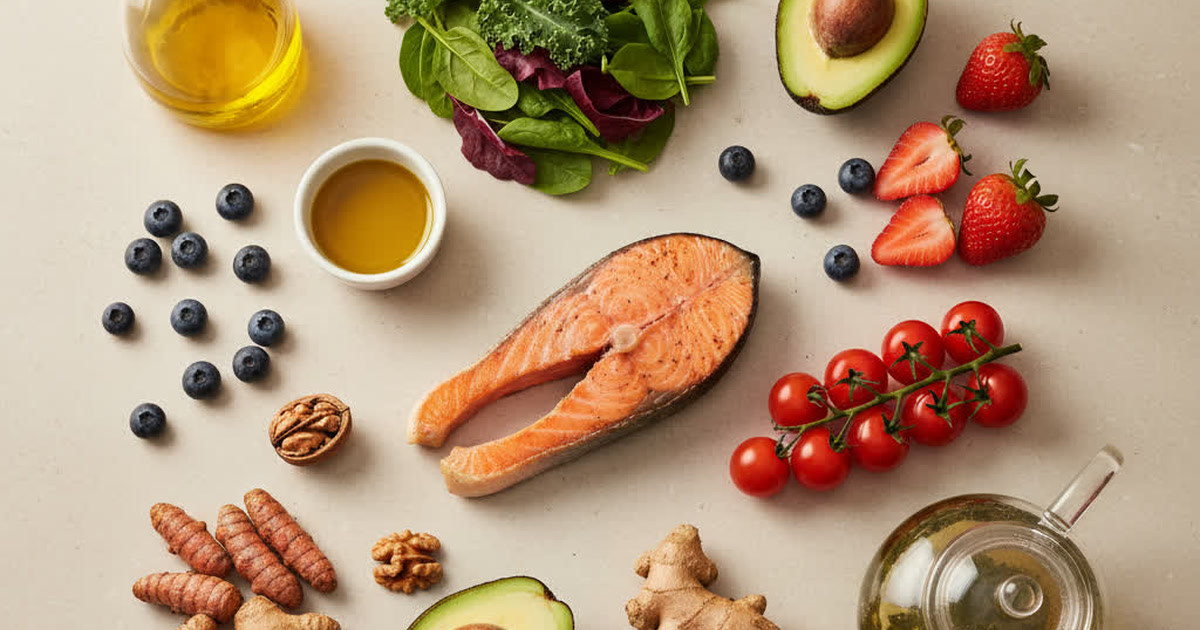
Removing trigger foods solves half the equation. The other half involves replacing them with foods that lower inflammation, repair the gut, and supply the nutrients your thyroid needs to function. Three nutrients matter most: selenium for converting T4 to active T3, zinc for hormone synthesis, and vitamin D for immune regulation. Roughly 90% of Hashimoto's patients show low vitamin D on bloodwork.
Two patients with the same Hashimoto's diagnosis can need very different food plans. Patient A might have low ferritin, normal vitamin D, and a strong gluten reaction. Patient B might have high reverse T3, vitamin D deficiency, and tolerate gluten just fine. A list of "foods to avoid" treats them identically, while their actual paths back to feeling well diverge sharply.
This is precisely why personalized protocols outperform generic advice. A doctor reviewing your full thyroid panel, your antibody trends, your nutrient status, your symptom timeline, and your lifestyle constraints can build a plan that works in your real life. Removing 12 foods at once tanks compliance, while removing the 3 foods that actually trigger your symptoms changes everything.
Skip the trial-and-error phase entirely. The licensed physicians at OnlineNutritionPlans review your thyroid labs, antibody levels, and lifestyle to design a Hashimoto's nutrition plan that targets your specific triggers. Get your personalized plan here.
The eight foods above explain why most Hashimoto's patients feel worse on a standard Western diet. Removing them gives you a strong foundation, but lasting symptom relief comes from a plan that fits your specific labs, your actual triggers, and the life you live outside the kitchen.
That is exactly what we build at OnlineNutritionPlans. Our licensed doctors review your thyroid panel, your antibody levels, your nutrient status, and your daily routine, then design a Hashimoto's nutrition and lifestyle plan that actually works for you. Start with a specialist who knows autoimmune thyroid disease.
Sources: Frontiers in Public Health (Global Hashimoto's Prevalence Meta-Analysis, 2022); StatPearls (Hashimoto Thyroiditis, 2025); Journal of Clinical Endocrinology and Metabolism (Selenium and Thyroid, 2010); Antioxidants Journal (Cooking Effects on Goitrogens, 2020); Nutrients (Mediterranean Diet and Autoimmune Thyroid, 2023); Endocrine (Lactose Restriction in Hashimoto's, 2014).