Cumin is not AIP compliant during the strict elimination phase because it is a seed based spice. You can attempt to reintroduce it during Stage 1 of the protocol based on your personal tolerance.
Cumin sits in almost every spice cabinet in North America, so when a new diagnosis pushes someone toward the Autoimmune Protocol, this small brown seed becomes one of the first questions they ask. The short answer matters, but the reasoning behind it matters more, because cumin behaves differently in elimination, reintroduction, and long-term maintenance. This guide walks through the AIP rules around cumin, the science behind those rules, the realistic substitutions a strict elimination phase needs, and the personal factors that decide whether you can ever bring cumin back. Readers who already follow AIP will find specific reintroduction tactics, and readers new to the protocol will get the full context they need before they touch a single seed.
Autoimmune disease prevalence raises the stakes of getting this question right. A 2024 Mayo Clinic and Autoimmune Registry analysis published in the Journal of Clinical Investigation estimated that 15 million people in the United States carry at least one of 105 autoimmune conditions, and 34 percent of that group lives with two or more diagnoses at the same time. A separate 2017 Scripps Clinic clinical trial led by Dr. Gauree Konijeti reported that 73 percent of patients with active inflammatory bowel disease reached clinical remission by week 6 of the AIP elimination phase. Numbers like these explain why a single spice decision deserves more than a quick yes or no.
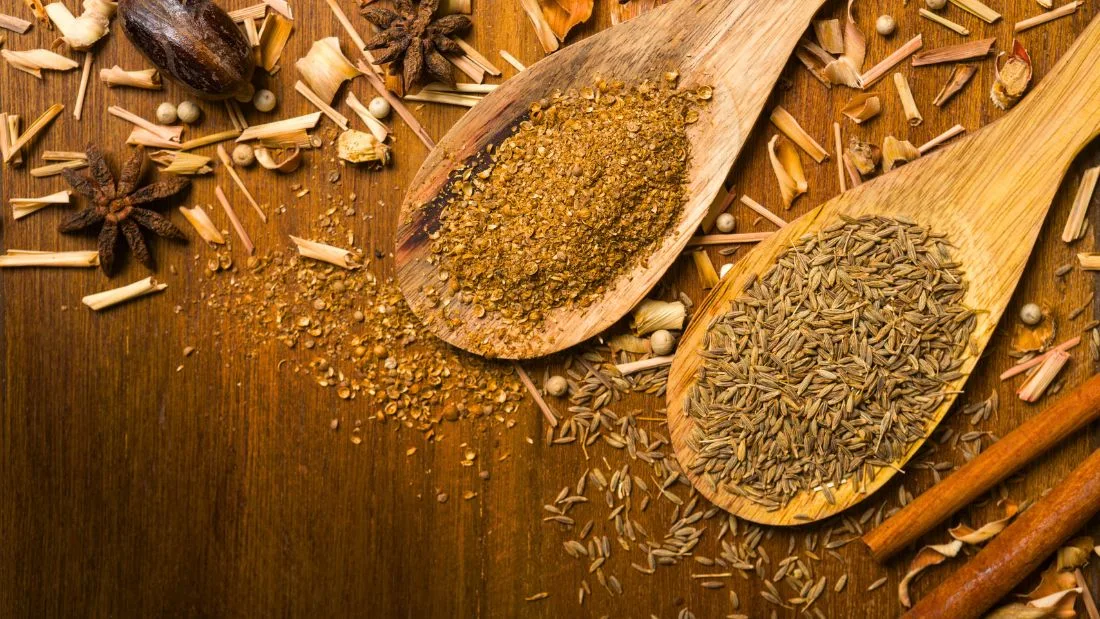
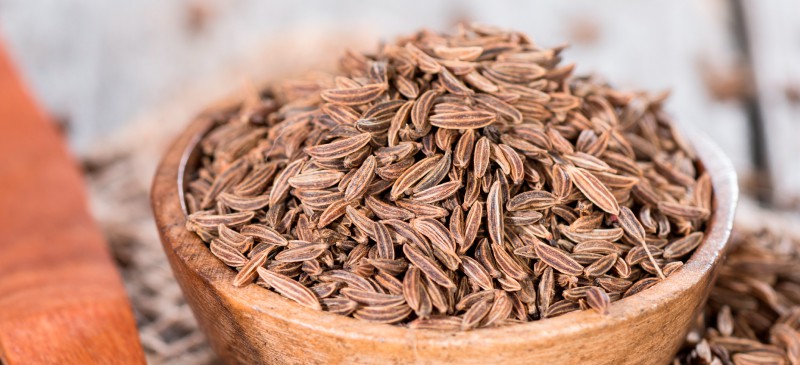
Cumin is not AIP compliant during the strict elimination phase. The Autoimmune Protocol, codified by Dr. Sarah Ballantyne in The Paleo Approach, removes all seed-based spices for the same reason it removes nuts and seeds as whole foods. Seeds carry compounds that can irritate the gut lining and trigger immune activation in people with autoimmune disease, and cumin sits squarely in that category as the dried fruit of Cuminum cyminum, a member of the Apiaceae family that also gives us coriander and fennel.
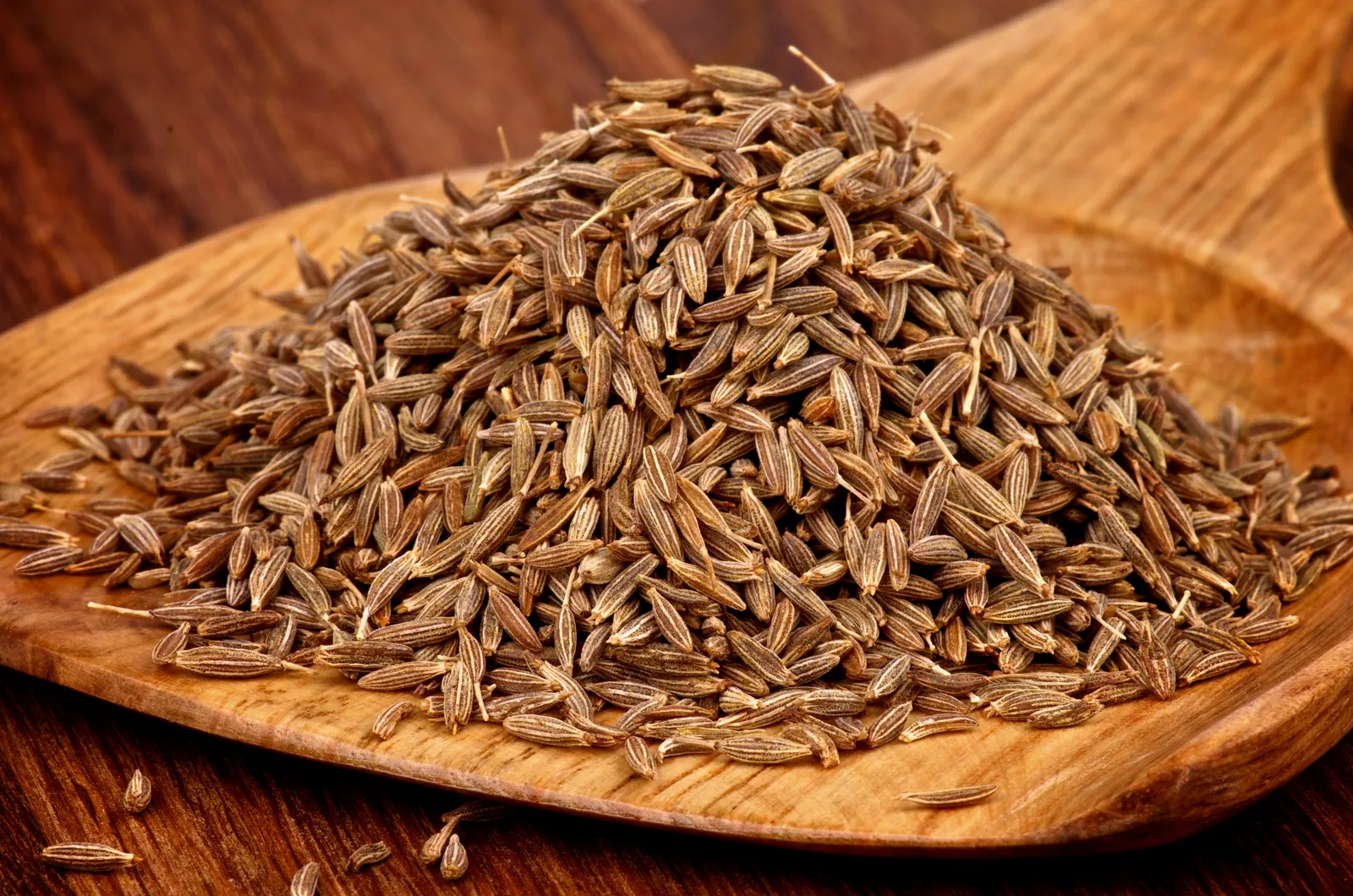
This rule applies to ground cumin, whole cumin seeds, cumin oil, and any spice blend that lists cumin or jeera on the label. Curry powders, taco seasonings, garam masala, chili blends, ras el hanout, and most chai mixes contain cumin alongside other off-protocol spices, so they leave the elimination kitchen as a unit. Black cumin, also sold as Nigella sativa, kalonji, or Russian caraway, sits on the same off-protocol list even though it comes from a different plant family.
When you scan a packaged label and see the generic word "spices" with no further breakdown, treat the product as off-protocol until the manufacturer confirms the blend in writing. Paprika, cumin, and black pepper hide inside that single word more often than any other ingredient.
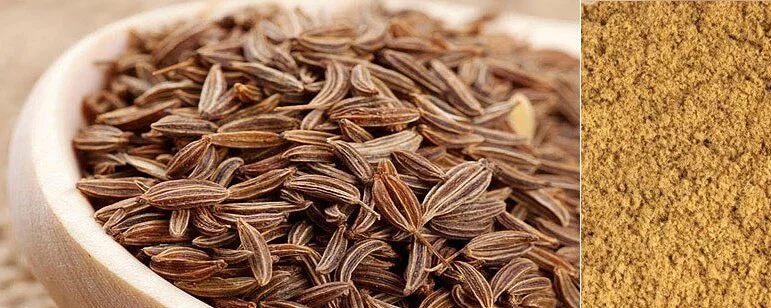
The AIP framework groups spices into four categories based on the part of the plant they come from, and each category carries a different risk profile for someone with active autoimmunity. Leaf, flower, root, and bark spices stay on the protocol because they generally lack the seed defense compounds that cause trouble. Seeds occupy a moderate-caution tier, because plants evolved seeds to survive digestion, which means they often contain enzyme inhibitors, lectins, and saponins that can aggravate intestinal permeability.
Cumin specifically contains cuminaldehyde, thymol, and a fat profile that includes linoleic acid, plus trace saponins that some sensitive guts will not tolerate during a healing phase. None of these compounds are villains in a healthy person, and cumin actually shows antimicrobial and digestive benefits in the broader population. The protocol still removes cumin during elimination because the goal of those 30 to 90 days is to give the immune system the cleanest possible signal, not to debate whether any single spice was the trigger.
This is also why broad lists from generic AIP blogs only get you partway. Two people with Hashimoto's thyroiditis can react to the same dose of cumin in completely opposite ways, and the right call depends on antibody levels, gut permeability markers, current medications, and concurrent stressors. Standard protocols set a floor, but they cannot replace a plan built around your bloodwork and history.
OnlineNutritionPlans pairs you with a licensed physician who reviews your bloodwork, antibody panel, gut markers, and lifestyle before deciding which spices stay out and which ones come back. Generic AIP cheat sheets ignore the variables that decide your real tolerance window. Build my personalized AIP plan →
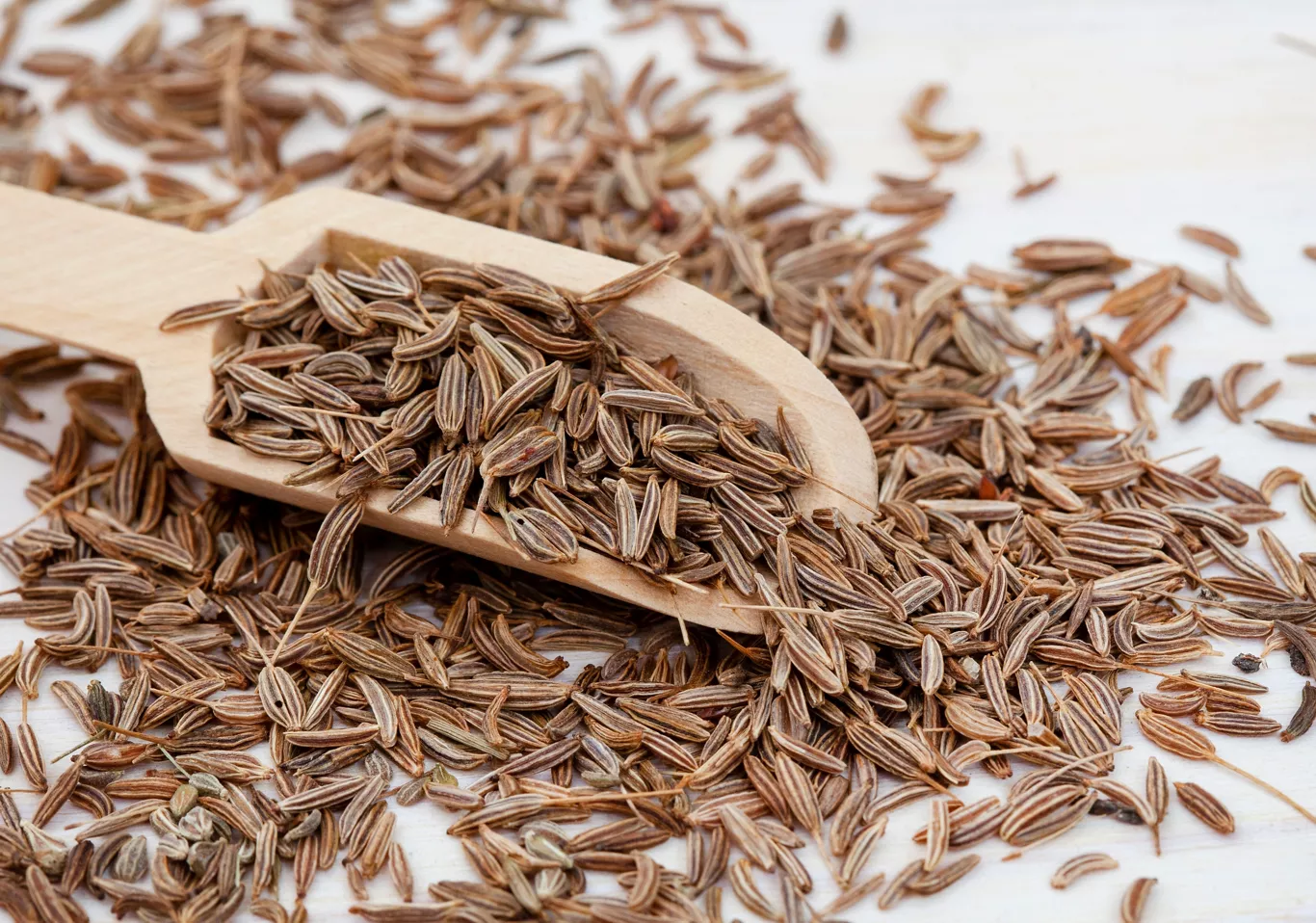
AIP reintroduction follows a four-stage ladder that ranks foods from least likely to most likely to cause an immune reaction, and cumin lives in Stage 1 alongside other seed and fruit-based spices. Most practitioners place cumin near the start of Stage 1 because clinical experience shows that ground cumin in cooked dishes tends to provoke fewer reactions than nuts, seeds, or egg whites. The Autoimmune Wellness team and Phoenix Helix both treat seed spices as one of the friendliest reintroduction categories, which gives you a reasonable starting point if you have hit your symptom plateau.
Reintroduction works best when you treat each spice as its own structured experiment, with isolation before, during, and after the test day. The standard four-step pattern below comes from the protocol Dr. Sarah Ballantyne and Mickey Trescott popularized, and it scales well for cumin specifically.
Whole toasted cumin seeds in a slow-cooked stew tend to cause fewer reactions than fresh ground cumin in a raw dressing, because heat denatures some of the irritating compounds. If a ground cumin trial fails, retest in 60 days using whole seeds infused into oil and strained out before serving.
Some people fail every cumin reintroduction attempt no matter how patiently they wait, and that pattern carries useful diagnostic information. Repeated reactions often point toward unresolved gut permeability, ongoing small intestinal bacterial overgrowth, salicylate sensitivity, or histamine intolerance, all of which need their own targeted protocol before another spice trial makes sense. Treating cumin as a permanent off-list food is a reasonable choice for people whose autoimmune labs spike with every seed reintroduction, and it does not mean AIP failed.
Losing cumin feels heavier than losing most spices, because cumin carries the warm, earthy backbone of Mexican, Indian, Middle Eastern, and Tex-Mex cooking. The good news is that AIP allows enough warming and earthy flavors to recreate most cumin-driven dishes once you build a fresh palette. The list below covers the substitutes that real AIP cooks reach for when they want their food to feel like cumin without using cumin.
AIP-compliant taco seasoning recipes from sites like Meatified usually combine onion powder, garlic powder, dried oregano, turmeric, cinnamon, and sea salt, and the result lands surprisingly close to a traditional taco profile. AIP curry powders rely on turmeric, ginger, garlic, onion powder, mace, and sometimes a single bay leaf for a low-irritation alternative. Build two or three of these blends in advance and you will stop missing cumin within the first month of elimination.
Hidden cumin trips up new AIP eaters more often than the obvious dishes. Restaurant rotisserie chicken, deli ham, sausage, jerky, and even some "paleo-friendly" bone broths contain cumin or cumin-adjacent spice blends inside the proprietary seasoning line. Shawarma, kebab marinades, hummus, refried beans, falafel, and most stuffed pepper recipes also lean on cumin as a structural ingredient.
Two specific traps deserve flagging. First, many "AIP" recipe blogs published before 2018 still treat seed spices as optional exclusions, so older cumin-containing recipes labeled AIP no longer match the current protocol. Second, supplement capsules sometimes list "natural flavors" that contain cumin extract, especially in digestion-support and herbal-blend products, so cross-checking your supplement labels with the manufacturer protects your elimination phase from a hidden source.
Build a one-page personal cumin scan list that covers your top ten frequently eaten brands. Email each manufacturer once with a single yes-or-no cumin question, save the responses in a folder, and you will never have to wonder mid-grocery-trip again.
The AIP literature deliberately speaks in averages, but your decision about cumin depends on factors that no public spice list can see. Hashimoto's thyroiditis with elevated TPO antibodies behaves differently from ulcerative colitis with active mucosal inflammation, and both behave differently from rheumatoid arthritis stable on a biologic. Each scenario calls for a different elimination length, a different reintroduction order, and sometimes a permanently different long-term spice list.
Bloodwork carries the most weight here. Hs-CRP, fecal calprotectin, antinuclear antibody titers, complete thyroid panels, fasting insulin, and zonulin all give your physician objective evidence about whether your gut and immune system can handle a Stage 1 reintroduction yet. Combined with a detailed symptom journal and a thoughtful look at sleep, stress, and movement, that bloodwork becomes the difference between a confident reintroduction and a reactive guess.
Standard AIP rules give you the floor, but reintroducing the right foods in the right order requires a plan built around your antibodies, gut markers, medications, and life stage. OnlineNutritionPlans connects you with licensed physicians who design metabolic, autoimmune, and lifestyle plans around your real numbers, not generic averages. Talk to a licensed AIP physician →
Cumin is not AIP compliant during the strict elimination phase, and most people can attempt to bring it back during Stage 1 of structured reintroduction. The cleanest path treats elimination as a 30 to 90 day reset, then runs cumin as its own structured trial with detailed symptom tracking and ideally a follow-up labs check. Generic AIP rules tell you the floor, but the right elimination length, reintroduction order, and final long-term cumin verdict depend on your bloodwork, your symptoms, and the autoimmune condition you are managing. A licensed physician who reviews those inputs gives you a plan that beats any one-size-fits-all spice list.