A sudden flare turns every meal into a question. Your colon hurts, your bathroom schedule has hijacked your day, and the food that felt safe last week now triggers cramping by the third bite. The right ulcerative colitis diet plan gives your gut a chance to rest while still delivering the calories, protein, and electrolytes your body needs to heal.
This guide walks you through which foods help calm a flare, which foods make symptoms louder, and how to structure meals when your appetite is unreliable. You will also see why a generic ulcerative colitis flare diet stops short of solving the real problem, and what a personalized plan looks like.
By the numbers: Roughly 1.3% of American adults (about 3 million people) report an IBD diagnosis according to CDC surveillance, and food avoidance affects between 28% and 89% of patients with inflammatory bowel disease. You are not alone, and your fear of food is well documented.
A flare describes the period when ulcerative colitis symptoms return after a stretch of remission. The colon lining inflames, ulcers reopen, and most people notice bloody diarrhea, urgent bowel movements, abdominal cramping, fatigue, and unintended weight loss. The exact pattern depends on which part of the colon is affected and how active the disease is.
Diet does not cause ulcerative colitis, and no single food can cure it. Specific foods absolutely change how your gut feels during a flare. The goal during active inflammation shifts from variety and fiber diversity toward bowel rest, which means choosing foods that pass through the colon with the least mechanical and chemical irritation possible.
Track every meal, every symptom, and every bowel movement for two full weeks. Patterns that feel invisible day to day become obvious on paper, and your dietitian or gastroenterologist can read that journal faster than any food list.
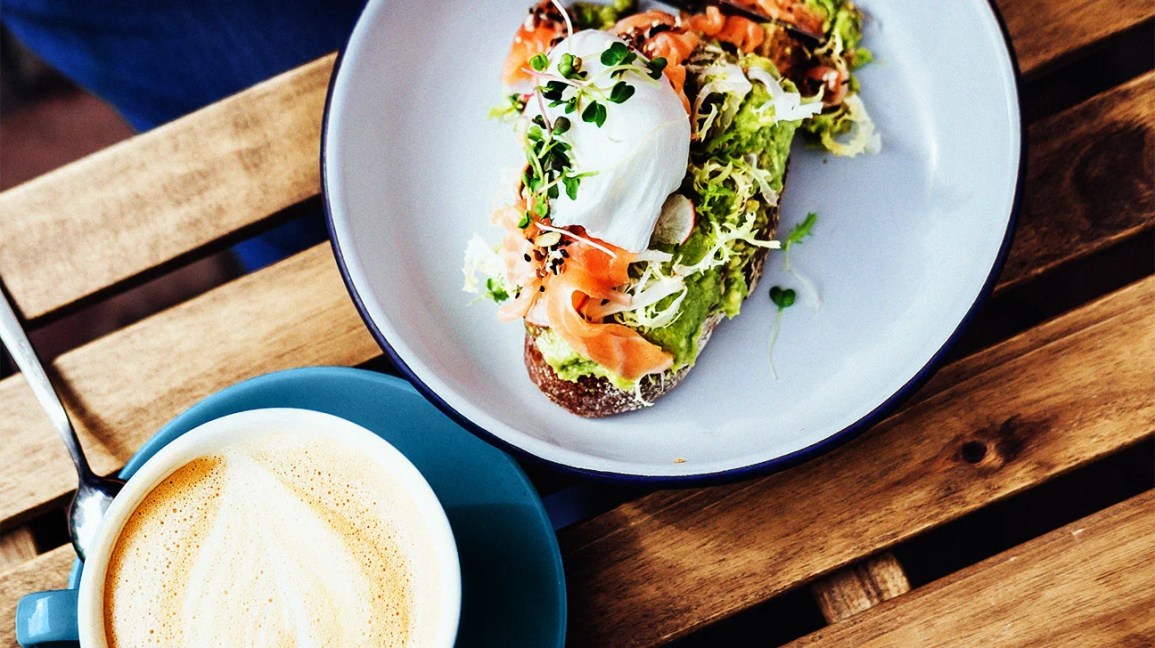
Your ulcerative colitis flare diet should prioritize three things: easy digestibility, adequate protein, and steady hydration. The categories below cover the foods most patients tolerate when symptoms are active.
White rice, sourdough or white bread without seeds, plain pasta, cream of rice, oatmeal made with water, and well-cooked potatoes without skin all sit gently in an inflamed colon. Refined grains carry less insoluble fiber than whole grains, so they leave less residue to scrape across irritated tissue.
Eggs (boiled, poached, or scrambled with minimal fat), baked or poached white fish, skinless chicken or turkey breast, and silken tofu cover most protein needs without piling on saturated fat. Salmon delivers omega-3 fatty acids that several IBD studies link to lower inflammation markers.
Carrots, zucchini, butternut squash, peeled cucumber, and the tips of asparagus all soften enough during steaming or boiling to slip past inflamed tissue. Skip raw salads, cruciferous vegetables, corn, and anything with tough skins until your symptoms quiet down.
Ripe bananas, peeled and cooked apples (or applesauce), canned peaches and pears packed in juice, and ripe melon are kinder to the gut than berries, citrus pith, or dried fruit. Green bananas and cooked, cooled apples contain resistant starch that may help slow transit when diarrhea is the dominant symptom.
Plain water, bone broth, clear vegetable broth, oral rehydration solutions, and coconut water replace the sodium, potassium, and fluid lost through frequent stools. Diarrhea during a UC flare can lead to dehydration faster than most patients expect, especially in the first 48 hours.
Cook two protein sources and one starch in batch on a calmer day, then freeze in single-meal portions. When a flare hits hard, the difference between eating and skipping a meal often comes down to whether dinner takes 3 minutes or 30.
These categories show up across nearly every IBD trigger food study, including the IOIBD dietary guidance and the Crohn's & Colitis Foundation flare recommendations. Your personal triggers may be narrower or broader, but the list below is the right starting point.
Trigger Category |
Why It Aggravates a UC Flare |
|---|---|
High-fiber raw produce |
Insoluble fiber from raw greens, broccoli, kale, nuts, seeds, and corn scrapes inflamed tissue and worsens diarrhea. |
Lactose-heavy dairy |
Up to 70% of UC patients report worsened symptoms with lactose during active disease. Hard cheeses are usually better tolerated than milk or soft cheeses. |
Spicy and fatty foods |
Capsaicin and trans fats both speed gut motility and irritate already inflamed mucosa, often within an hour of eating. |
Alcohol and carbonated drinks |
Alcohol increases intestinal permeability even at 1 to 3 drinks per week. Carbonation traps gas and stretches an inflamed colon. |
Caffeine |
Coffee, strong tea, and energy drinks accelerate bowel transit, which compounds urgency and cramping during a flare. |
Red and processed meat |
IOIBD guidance recommends limiting both. Heme iron and saturated fat correlate with higher flare frequency in cohort studies. |
Added sugars and artificial sweeteners |
Sorbitol, sucralose, and high-fructose corn syrup pull water into the colon and feed dysbiotic bacteria. |
Cutting all of these at once is rarely necessary and almost never sustainable. Which trigger you actually need to remove, for how long, and what to swap in instead, depends on your blood markers, your microbiome, your medications, and your life. A licensed doctor on OnlineNutritionPlans.com builds your flare protocol around your test results, not a generic chart.
Stop guessing which food is the trigger. Get a metabolic and autoimmune plan built around your blood work, your symptoms, and your daily reality. Book your personalized consultation at OnlineNutritionPlans.com.
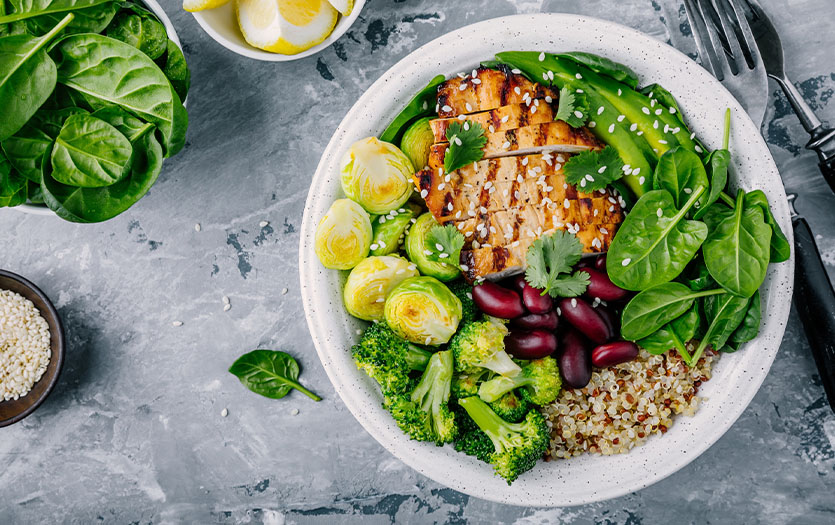
Use this layout as a template, not a prescription. The portion sizes and ingredient choices that work for a 30-year-old with mild left-sided colitis differ from those that work for a 55-year-old with pancolitis on biologics. Match the structure, then adapt the contents to your tolerance.
Meal |
Suggested Foods |
Why It Works |
|---|---|---|
Breakfast |
Two scrambled eggs cooked in 1 tsp olive oil, one slice of plain sourdough toast, half a ripe banana |
Soft protein, refined carbs, low-fiber fruit |
Mid-morning |
Bone broth with a pinch of sea salt |
Sodium and protein for hydration |
Lunch |
Poached chicken breast over white rice, peeled and steamed carrots, drizzle of olive oil |
Lean protein, gentle starch, soft vegetable |
Afternoon |
Unsweetened applesauce, oral rehydration drink |
Resistant starch and electrolytes |
Dinner |
Baked salmon, mashed potatoes (no skin, broth instead of milk), well-cooked zucchini |
Omega-3s, gentle starch, soft vegetable |
Evening |
Plain Greek yogurt (if dairy is tolerated) or coconut yogurt with a few canned pear slices |
Protein and probiotics before sleep |
Eat 5 or 6 small meals instead of 3 large ones during a flare. An inflamed colon handles smaller volumes far better, and steady fueling prevents the blood sugar crashes that often masquerade as fatigue from the disease itself.
Diet is one lever. Three others move the needle just as much during an active flare, and ignoring them is the most common reason a thoughtful meal plan still fails to deliver relief.
Standard ulcerative colitis diet protocols treat every patient like the average patient. Your bloodwork tells a different story. A 2023 surveillance report shows ulcerative colitis incidence rising from 9 to 20 per 100,000 people per year, and the patients within that growing group have wildly different inflammatory markers, vitamin deficiencies, microbiome compositions, and medication responses.
A generic low-fiber list cannot tell you that your ferritin is at 12 and you need iron-rich foods structured around your tolerance. It cannot account for the vitamin D level your gastroenterologist flagged last month, or the fact that your CRP doubled after a course of antibiotics. Personalized planning starts with the actual data your body is producing.
Doctors at OnlineNutritionPlans.com build flare protocols around your blood tests, your current medication regimen, your trigger history, and your daily life. The plan adjusts as your labs adjust, which is how nutritional therapy is meant to work for an autoimmune disease.
Once your symptoms calm and your bowel movements normalize, your colon needs more than rice and chicken. Reintroducing foods is the trickiest phase of an ulcerative colitis diet plan, because rushing it triggers another flare and dragging it out leads to nutrient gaps.
Reintroduction is where most patients lose the progress they spent weeks earning. A licensed doctor monitors your labs, your symptom journal, and your reintroduction schedule together, so the next food you add is the right food, in the right amount, at the right time.
Generic food lists give you a starting point. They cannot give you a plan. Your blood markers, your medication regimen, your microbiome, and your daily life form a unique combination that deserves a unique protocol.
Build a flare protocol around your actual body, not a template. Licensed doctors at OnlineNutritionPlans.com create personalized autoimmune, metabolic, and lifestyle plans using your blood tests and full medical context. Start your personalized plan today at OnlineNutritionPlans.com.